
Science
Scientists Transform Skin Cells into Viable Human Eggs

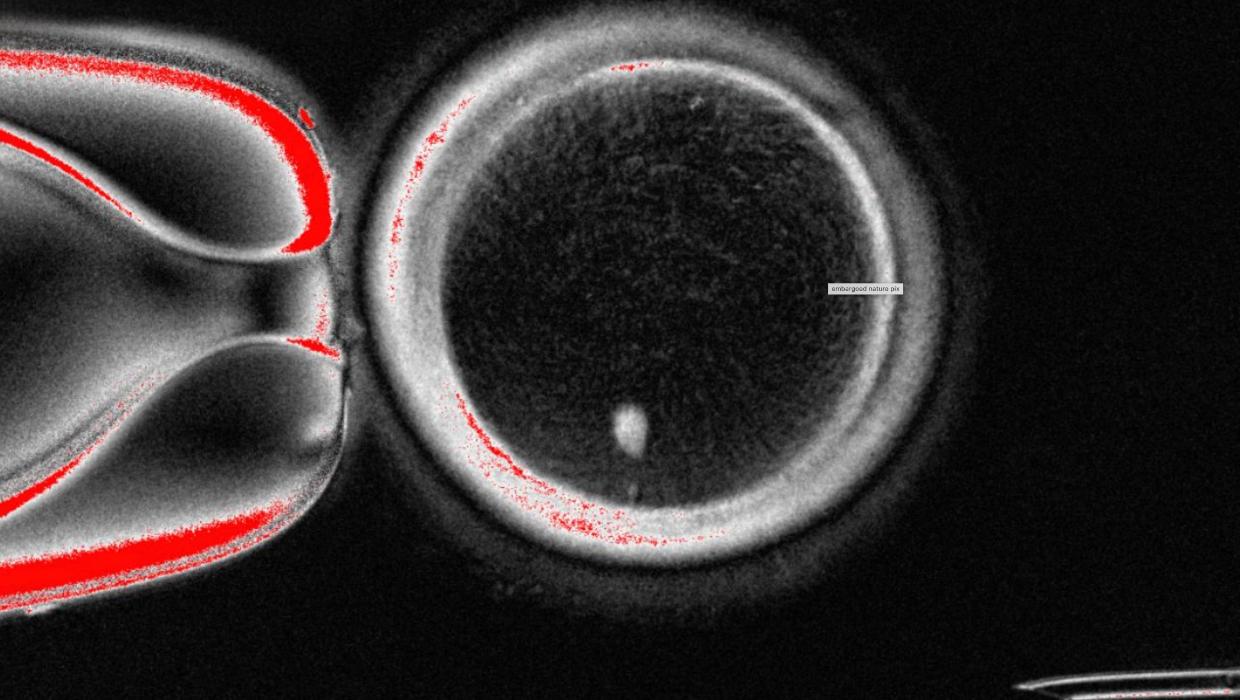
Researchers in the United States have successfully transformed human skin cells into fertilizable eggs, marking a significant advancement in reproductive science. This breakthrough could pave the way for the development of lab-grown eggs and sperm, offering new possibilities for individuals and couples facing fertility challenges.
The study, conducted by a team at the University of California, Los Angeles, was published in a leading scientific journal in 2023. By reprogramming skin cells into pluripotent stem cells, the researchers created gametes that can potentially be fertilized. This innovative approach represents a crucial milestone in the ongoing quest to assist those who are unable to conceive naturally.
Potential Impact on Fertility Treatments
The implications of this research extend far beyond basic science. If lab-grown eggs and sperm can be developed and proven safe for use, they may provide solutions for a range of fertility issues. Individuals with genetic disorders, same-sex couples, and those undergoing medical treatments that affect fertility could benefit from this technology.
The process involved turning mature skin cells into induced pluripotent stem cells, which were then guided to develop into egg cells. This method not only provides a new avenue for generating gametes but also raises questions about the ethical considerations surrounding reproductive technology.
Dr. Yoshinori Yamashita, one of the lead researchers on the project, emphasized the importance of these findings. “We are moving closer to a future where individuals who struggle with fertility may have access to new treatment options that were previously unimaginable,” he stated.
Future Research Directions
While this research represents a promising step forward, further studies are necessary to ensure the safety and efficacy of the lab-grown eggs. Researchers will need to explore how these eggs can be successfully fertilized and developed into viable embryos.
The scientists are also focused on conducting long-term studies to better understand the potential genetic implications of using lab-grown gametes. As they continue to investigate this groundbreaking technology, the goal remains to provide safe, effective reproductive options for all individuals.
Overall, the ability to create fertilizable eggs from skin cells could revolutionize the field of reproductive medicine. As research progresses, it may transform the landscape of fertility treatments, providing hope to many who seek to start families.













New $25 Million Funding Boosts Hospital Capacity Ahead of Winter

Discover Sleep Space’s Affordable Bach Bed Packages Today

Jury Dismissed in Sexual Assault Trial Over Misguided Questions

Wellington’s New Gallery Unveils Community-Driven Art Exhibition

All Whites Face Challenges as Injuries Strike Before World Cup

Heroic Bystander Rescues Swimmers from Dangerous Surf in Napier

Nina Oyama Returns to Crime Comedy in Deadloch Season 2

China Southern Airlines Offers Reliable Journey from Auckland to Vietnam

Nina Oyama Returns to Deadloch for Anticipated Season 2

Community Mourns Teens Lost in Mount Maunganui Landslide

Tributes Pour In for Lachlan Rofe, Reality Star, Dead at 47

Private Funeral Held for Dean Field and His Three Children

Funeral Planned for Field Siblings After Tragic House Fire

Netball New Zealand Stands Down Dame Noeline Taurua for Series

Julian Dennison Ties the Knot with Christian Baledrokadroka in New Zealand

New Research Reveals Simple Path to Enhanced Happiness

New ‘Maverick’ Chaser Joins Beat the Chasers Season Finale

Maia Wilson Faces Backlash Following Taurua’s Suspension
-
 Top Stories6 months ago
Community Mourns Teens Lost in Mount Maunganui Landslide
-
 Entertainment10 months ago
Tributes Pour In for Lachlan Rofe, Reality Star, Dead at 47
-
 World8 months ago
Private Funeral Held for Dean Field and His Three Children
-
 Top Stories8 months ago
Funeral Planned for Field Siblings After Tragic House Fire
-
 Sports10 months ago
Netball New Zealand Stands Down Dame Noeline Taurua for Series
-
 Entertainment6 months ago
Julian Dennison Ties the Knot with Christian Baledrokadroka in New Zealand
-
 Science9 months ago
New Research Reveals Simple Path to Enhanced Happiness
-
 Entertainment9 months ago
New ‘Maverick’ Chaser Joins Beat the Chasers Season Finale
-
 Lifestyle9 months ago
Maia Wilson Faces Backlash Following Taurua’s Suspension
-

 Sports9 months ago
All Blacks Star Damian McKenzie and Partner Announce Baby News
-

 Health6 months ago
Al Waha Motors Opens Flagship Jetour Showroom in Al Khor
-

 Sports10 months ago
Silver Ferns Legend Laura Langman Criticizes Team’s Attitude