
Science
US Nuclear Regulators Change Safety Rules to Accelerate AI Power

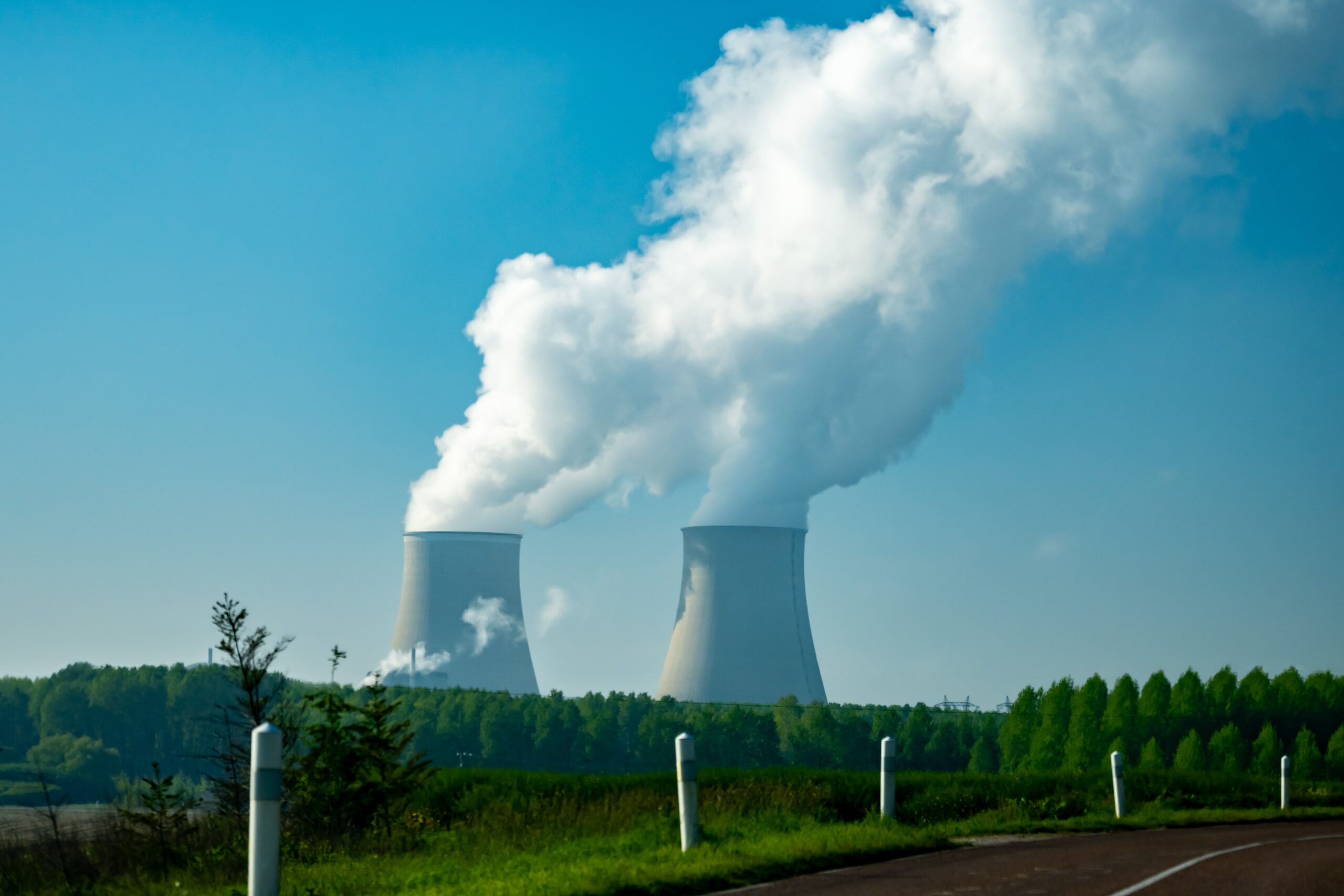
New regulatory changes by the US Department of Energy (DoE) have significantly altered nuclear safety rules, aiming to expedite the construction of new nuclear reactors intended to support the growing energy demands of artificial intelligence (AI). According to an investigative report by NPR, these modifications, which have not been publicly announced, are meant to facilitate the development of small modular reactors (SMRs) and are driven by substantial investments from private equity and major technology firms.
The initiative aims to introduce three experimental commercial nuclear reactors by July 4, 2025. Tech giants such as Amazon, Google, and Meta are backing this project, hoping it will provide a reliable and inexpensive power source for their AI infrastructure. However, the report indicates that the revisions to nuclear safety standards include extensive reductions in regulations that ensure reactor security and environmental protection.
Significant Reductions in Safety Standards
NPR’s report highlighted several concerning changes made to existing nuclear regulations. Groundwater protections have been weakened, with companies now required to give “consideration” to avoiding radioactive contamination instead of being mandated to protect groundwater. The removal of stipulations for using the “best available technology” in safeguarding water supplies raises significant concerns about potential environmental consequences.
Environmental protections have also been diluted. Instead of demanding stringent safeguards, the revised rules suggest merely “minimizing” environmental impacts when feasible. For instance, regulations that previously required careful management of radiological activities now offer vague guidance on how to handle potential environmental risks.
Perhaps most alarming is the reduction of security guidelines. The new orders have condensed over 500 pages of security regulations into a mere 23-page document, with crucial areas summarized in bullet points. Additionally, radioactive waste management guidelines have been significantly truncated, leaving out essential requirements for waste packaging and monitoring.
Implications for Industry and Safety Oversight
The justification provided by the DoE for these sweeping changes is that they will foster innovation within the nuclear sector without compromising safety. Nevertheless, the removal of foundational principles, such as the “As Low As Reasonably Achievable” (ALARA) standard, which has guided nuclear safety practices for decades, raises serious questions. This standard previously required operators to minimize radiation exposure whenever possible. Its elimination could lead to less protective measures in reactor construction and operation, potentially exposing workers to higher doses of radiation.
Sanchit Vir Gogia, chief analyst at Greyhound Research, remarked on the systemic implications of these regulatory changes. He noted that the DoE’s actions represent a fundamental shift in how enterprise infrastructure risk is managed, emphasizing that nuclear safety has historically relied on rigorous engineering practices, independent oversight, and accountability.
Brian Jackson, principal research director at Info-Tech Research Group, expressed concerns about the reputational risks for the tech companies funding these reactors. He highlighted that while these firms seek to reduce their carbon footprint by investing in nuclear energy, any negative outcomes resulting from safety shortcuts could severely damage their public image.
Matt Kimball, VP and principal analyst with Moor Insights & Strategy, commented on the secretive nature of the regulatory changes, suggesting that such actions foster public distrust. He acknowledged that while adjustments may be necessary for the new generation of reactors, the extent of the rule changes warrants scrutiny.
The shift from independent oversight by the Nuclear Regulatory Commission (NRC) to internal DoE authorization introduces a troubling dynamic. Gogia articulated that the current system may lead to inadequate documentation and investigation of operational anomalies, ultimately affecting the reliability of power supply and safety protocols.
As the demand for energy in AI data centers continues to rise, the transition towards SMRs appears to offer a solution. However, the urgency for regulatory flexibility must not compromise public safety and environmental integrity. The long-term implications of these regulatory modifications will require careful monitoring and oversight to ensure that the benefits of advanced nuclear technology do not come at the expense of safety and accountability.











Combat Ongoing Stress: Regulate Your Nervous System Now

New Zealand Golfer Hillier Triumphs at $2 Million Open

Labour Maintains Lead as National Gains Ground in Poll

Professor Brian Cox Launches ‘Emergence’ World Tour in June

South Africa Triumphs Over Zimbabwe to Face New Zealand in T20 Semis

Hurricanes Aim for Record Crowd Against Western Force in Napier

Speeding Penalties Spark Controversy Over Revenue Collection

Landlords Urge Tenancy Tribunal to Track Unpaid Awards Nationwide

March Unveils Exciting TV Premieres and Returning Favorites

Community Mourns Teens Lost in Mount Maunganui Landslide

Tributes Pour In for Lachlan Rofe, Reality Star, Dead at 47

Private Funeral Held for Dean Field and His Three Children

Funeral Planned for Field Siblings After Tragic House Fire

Netball New Zealand Stands Down Dame Noeline Taurua for Series

Julian Dennison Ties the Knot with Christian Baledrokadroka in New Zealand

New ‘Maverick’ Chaser Joins Beat the Chasers Season Finale

Silver Ferns Legend Laura Langman Criticizes Team’s Attitude

Eli Katoa Rushed to Hospital After Sideline Incident During Match
-
 Top Stories1 month ago
Community Mourns Teens Lost in Mount Maunganui Landslide
-
 Entertainment6 months ago
Tributes Pour In for Lachlan Rofe, Reality Star, Dead at 47
-
 World3 months ago
Private Funeral Held for Dean Field and His Three Children
-
 Top Stories3 months ago
Funeral Planned for Field Siblings After Tragic House Fire
-
 Sports6 months ago
Netball New Zealand Stands Down Dame Noeline Taurua for Series
-
 Entertainment1 month ago
Julian Dennison Ties the Knot with Christian Baledrokadroka in New Zealand
-
 Entertainment5 months ago
New ‘Maverick’ Chaser Joins Beat the Chasers Season Finale
-
 Sports6 months ago
Silver Ferns Legend Laura Langman Criticizes Team’s Attitude
-
 Sports4 months ago
Eli Katoa Rushed to Hospital After Sideline Incident During Match
-

 Sports4 months ago
All Blacks Star Damian McKenzie and Partner Announce Baby News
-

 Sports3 months ago
Nathan Williamson’s Condition Improves Following Race Fall
-

 Politics5 months ago
Netball NZ Calls for Respect Amid Dame Taurua’s Standoff