
Science
AI Thanabots: Innovation in Medical Education or Ethical Dilemma?

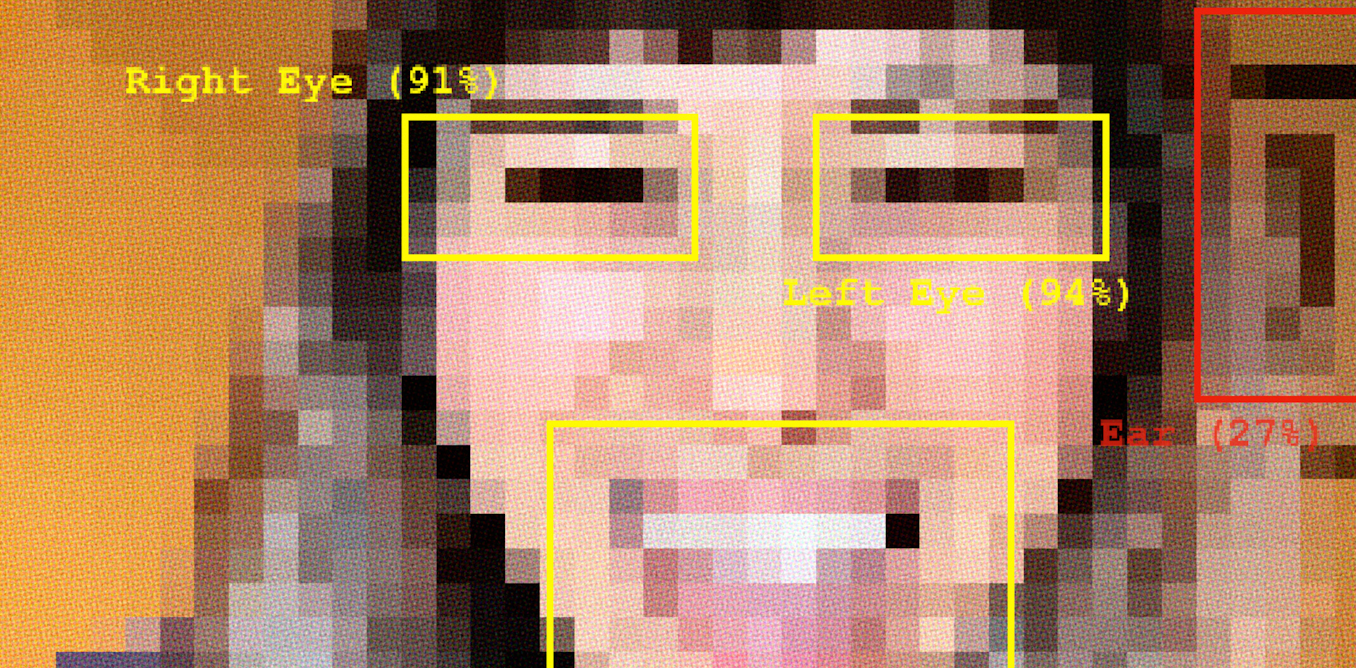
The emergence of artificial intelligence (AI) has sparked a debate about its potential applications in medical education, particularly through the use of digital replicas of deceased individuals, known as thanabots. These AI-driven entities are envisioned to enhance student learning by offering interactive experiences based on real-life medical histories. While this technology may revolutionize educational practices, it raises significant ethical concerns regarding the representation of death and the emotional implications for students.
Understanding Thanabots and Their Potential
The term “thanabot” derives from thanatology, the study of death, and refers to AI-generated representations designed to assist in learning and provide comfort to the bereaved. Current technologies such as Project December and Deep Nostalgia exemplify the growing acceptance of digital afterlives. These tools allow users to engage in text-based conversations with deceased individuals or animate old photographs, creating a sense of interaction with those who have passed on.
In the context of medical education, thanabots could support students during dissections by providing tailored guidance based on a donor’s medical records. This interaction could improve factual learning and foster skills such as empathy and professionalism. While the concept remains largely theoretical, the underlying technology is poised to become a reality.
The potential benefits of thanabots are substantial. By creating a simulated “first patient,” students may gain a deeper understanding of anatomy and develop emotional competencies crucial for their future careers. Yet, these innovations come with notable risks.
Ethical Risks and Cultural Considerations
The integration of thanabots into anatomy education presents a range of ethical and legal challenges. Currently, the frameworks governing their use are underdeveloped, leading to critical questions about ownership, consent, and privacy. For instance, in a situation where a thanabot is created from a deceased donor, who holds the rights to that digital representation? How will consent be obtained from families, and how will the dignity of the deceased be maintained?
Moreover, the emotional impact of interacting with a digital representation of a deceased individual cannot be underestimated. The potential for students to form unhealthy attachments to these AI constructs could overshadow the authentic experience of engaging with mortality. Cultural norms surrounding death vary widely; in many cultures, the dead are to be treated with utmost respect, and the idea of digitally resurrecting them may be considered taboo.
As the authors of a recent study highlight, the use of thanabots in educational settings can create confusion about the nature of death. The distinction between life and death may become blurred, leading students to develop a distorted understanding of what it means to be human. This emotional dissonance could hinder their ability to navigate real-life encounters with death and dying.
In conclusion, while the integration of AI into medical education holds promise, educators must proceed with caution. The allure of technological advancements should not overshadow the need for ethical governance and critical reflection on the implications of these tools. Before introducing digital “ghosts” into anatomy laboratories, it is essential to consider what they truly teach students about life, death, and human dignity.
The authors declare no competing interests and have disclosed no relevant affiliations beyond their academic appointments.










New $25 Million Funding Boosts Hospital Capacity Ahead of Winter

Discover Sleep Space’s Affordable Bach Bed Packages Today

Jury Dismissed in Sexual Assault Trial Over Misguided Questions

Wellington’s New Gallery Unveils Community-Driven Art Exhibition

All Whites Face Challenges as Injuries Strike Before World Cup

Heroic Bystander Rescues Swimmers from Dangerous Surf in Napier

Nina Oyama Returns to Crime Comedy in Deadloch Season 2

China Southern Airlines Offers Reliable Journey from Auckland to Vietnam

Nina Oyama Returns to Deadloch for Anticipated Season 2

Community Mourns Teens Lost in Mount Maunganui Landslide

Tributes Pour In for Lachlan Rofe, Reality Star, Dead at 47

Private Funeral Held for Dean Field and His Three Children

Funeral Planned for Field Siblings After Tragic House Fire

Netball New Zealand Stands Down Dame Noeline Taurua for Series

Julian Dennison Ties the Knot with Christian Baledrokadroka in New Zealand

Al Waha Motors Opens Flagship Jetour Showroom in Al Khor

Auckland’s Average Rent Surpasses $700 for Three-Bedroom Homes

New Research Reveals Simple Path to Enhanced Happiness
-
 Top Stories6 months ago
Community Mourns Teens Lost in Mount Maunganui Landslide
-
 Entertainment11 months ago
Tributes Pour In for Lachlan Rofe, Reality Star, Dead at 47
-
 World8 months ago
Private Funeral Held for Dean Field and His Three Children
-
 Top Stories8 months ago
Funeral Planned for Field Siblings After Tragic House Fire
-
 Sports11 months ago
Netball New Zealand Stands Down Dame Noeline Taurua for Series
-
 Entertainment6 months ago
Julian Dennison Ties the Knot with Christian Baledrokadroka in New Zealand
-
 Health6 months ago
Al Waha Motors Opens Flagship Jetour Showroom in Al Khor
-
 Business7 months ago
Auckland’s Average Rent Surpasses $700 for Three-Bedroom Homes
-
 Science9 months ago
New Research Reveals Simple Path to Enhanced Happiness
-

 Entertainment10 months ago
New ‘Maverick’ Chaser Joins Beat the Chasers Season Finale
-

 Lifestyle10 months ago
Maia Wilson Faces Backlash Following Taurua’s Suspension
-

 Sports9 months ago
All Blacks Star Damian McKenzie and Partner Announce Baby News