
Top Stories
All Blacks vs Springboks: Rugby’s Growing Financial Concerns

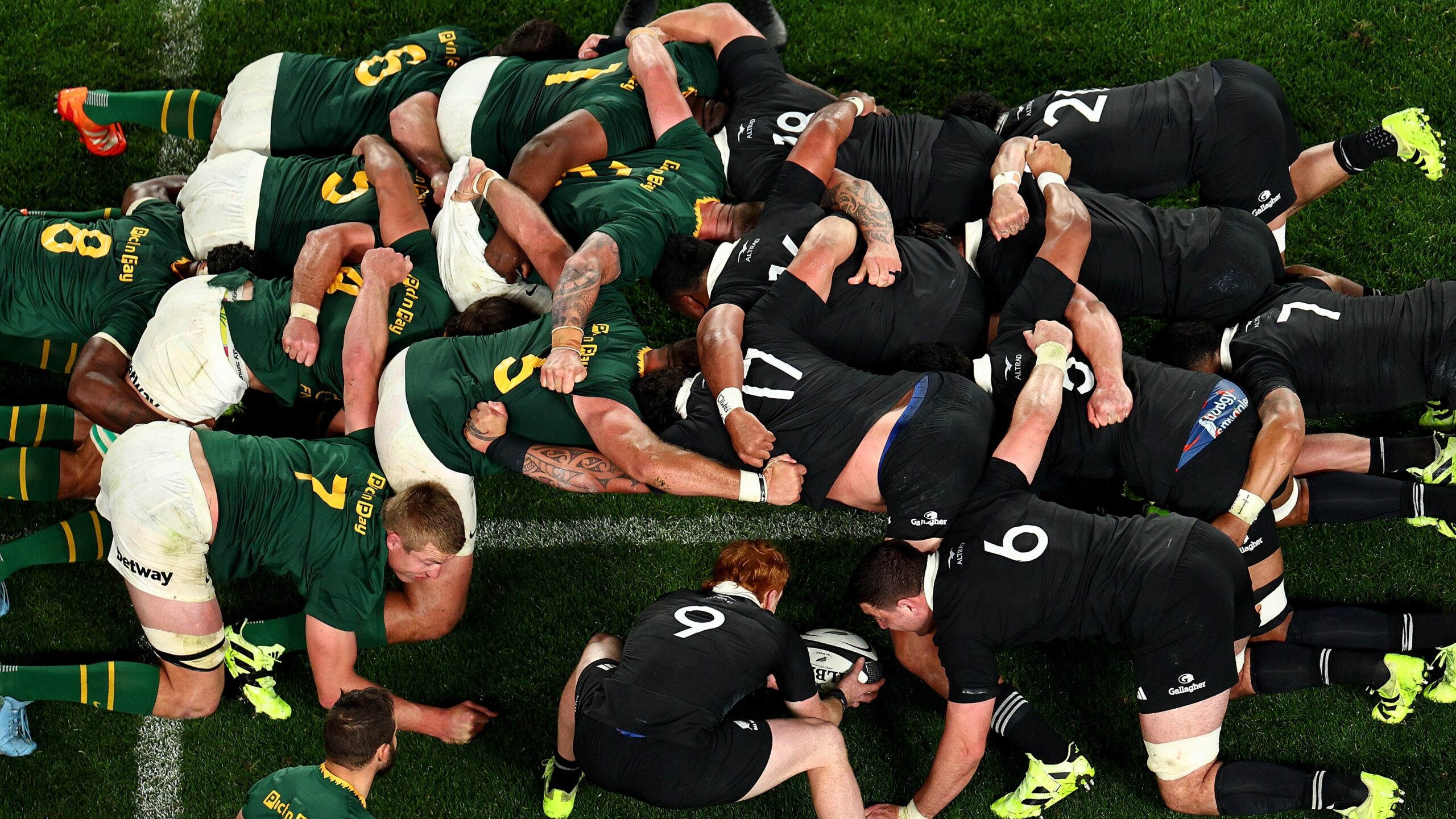
The recent announcement of a match between the All Blacks and the Springboks in Baltimore has sparked significant debate regarding the state of modern rugby. Sports journalist Gregor Paul, writing for NZME, criticized the decision as a “money-grab” that undermines the sport’s authenticity and jeopardizes player welfare. His remarks highlight a growing concern about the commercialization of rugby and its impact on both the players and traditional fan experiences.
Financial Pressures on Rugby
Paul’s observations reflect a broader sentiment among rugby enthusiasts regarding the direction of New Zealand Rugby (NZR). He argues that the increasing commercialization, exemplified by high-profile matches in non-traditional locations, prioritizes revenue over the sport’s heritage. This shift raises questions about the future of rugby, where financial motives overshadow the historical significance of traditional tours.
“This seems to me to be the most egregious money-grab in rugby’s history,” Paul noted, emphasizing the disconnect between fan expectations and corporate decisions. His criticism points to a trend where the frequency of home test matches is declining, leaving players to navigate a demanding schedule that often compromises their physical well-being.
The NZR’s financial strategies, including partnerships with private equity firms like Silverlake Partners, highlight the organization’s attempts to secure funding amidst growing economic challenges. Yet, these measures have raised eyebrows, as many wonder whether such moves genuinely address rugby’s long-term sustainability or merely serve as temporary fixes.
Player Welfare and the Changing Landscape
Modern players face unprecedented pressures, reminiscent of Formula 1 drivers from the mid-20th century, where the focus on performance often comes at the cost of personal health. While rugby players are not at immediate risk as their racing counterparts were, the culture of expendability is evident. The emphasis on larger squads and rapid player turnover signifies a shift that may prioritize profits over player longevity.
Moreover, the concept of the sabbatical, originally intended for rest and recovery, has morphed into what some perceive as a mere opportunity for financial gain. Players, driven by the allure of lucrative contracts, often overlook the potential long-term impacts on their health. This has led to a situation where players may push themselves to the brink, further complicating the issue of player welfare.
Paul’s insights resonate with many in the rugby community, reflecting a growing concern about the balance between sustaining the sport financially and preserving its integrity. As NZR navigates these challenges, the questions remain: how will they ensure player safety while promoting financial growth, and can they reconcile the evolving landscape with the traditional values that rugby fans hold dear?
The situation prompts a critical examination of rugby’s future. As the sport continues to evolve, it will be essential for governing bodies like NZR to prioritize both the financial health of the game and the well-being of its players. The upcoming match in Baltimore may serve as a pivotal moment, emphasizing the need for a more sustainable approach to rugby that respects its past while adapting to the demands of the present.













New $25 Million Funding Boosts Hospital Capacity Ahead of Winter

Discover Sleep Space’s Affordable Bach Bed Packages Today

Jury Dismissed in Sexual Assault Trial Over Misguided Questions

Wellington’s New Gallery Unveils Community-Driven Art Exhibition

All Whites Face Challenges as Injuries Strike Before World Cup

Heroic Bystander Rescues Swimmers from Dangerous Surf in Napier

Nina Oyama Returns to Crime Comedy in Deadloch Season 2

China Southern Airlines Offers Reliable Journey from Auckland to Vietnam

Nina Oyama Returns to Deadloch for Anticipated Season 2

Community Mourns Teens Lost in Mount Maunganui Landslide

Tributes Pour In for Lachlan Rofe, Reality Star, Dead at 47

Private Funeral Held for Dean Field and His Three Children

Funeral Planned for Field Siblings After Tragic House Fire

Netball New Zealand Stands Down Dame Noeline Taurua for Series

Al Waha Motors Opens Flagship Jetour Showroom in Al Khor

Julian Dennison Ties the Knot with Christian Baledrokadroka in New Zealand

Auckland’s Average Rent Surpasses $700 for Three-Bedroom Homes

New Research Reveals Simple Path to Enhanced Happiness
-
 Top Stories7 months ago
Community Mourns Teens Lost in Mount Maunganui Landslide
-
 Entertainment11 months ago
Tributes Pour In for Lachlan Rofe, Reality Star, Dead at 47
-
 World9 months ago
Private Funeral Held for Dean Field and His Three Children
-
 Top Stories9 months ago
Funeral Planned for Field Siblings After Tragic House Fire
-
 Sports11 months ago
Netball New Zealand Stands Down Dame Noeline Taurua for Series
-
 Health7 months ago
Al Waha Motors Opens Flagship Jetour Showroom in Al Khor
-
 Entertainment7 months ago
Julian Dennison Ties the Knot with Christian Baledrokadroka in New Zealand
-
 Business7 months ago
Auckland’s Average Rent Surpasses $700 for Three-Bedroom Homes
-
 Science10 months ago
New Research Reveals Simple Path to Enhanced Happiness
-

 Entertainment10 months ago
New ‘Maverick’ Chaser Joins Beat the Chasers Season Finale
-

 Lifestyle11 months ago
Maia Wilson Faces Backlash Following Taurua’s Suspension
-

 Sports10 months ago
All Blacks Star Damian McKenzie and Partner Announce Baby News