
Top Stories
Coalition Forces Target Isis Sleeper Cells After Attack on US Troops

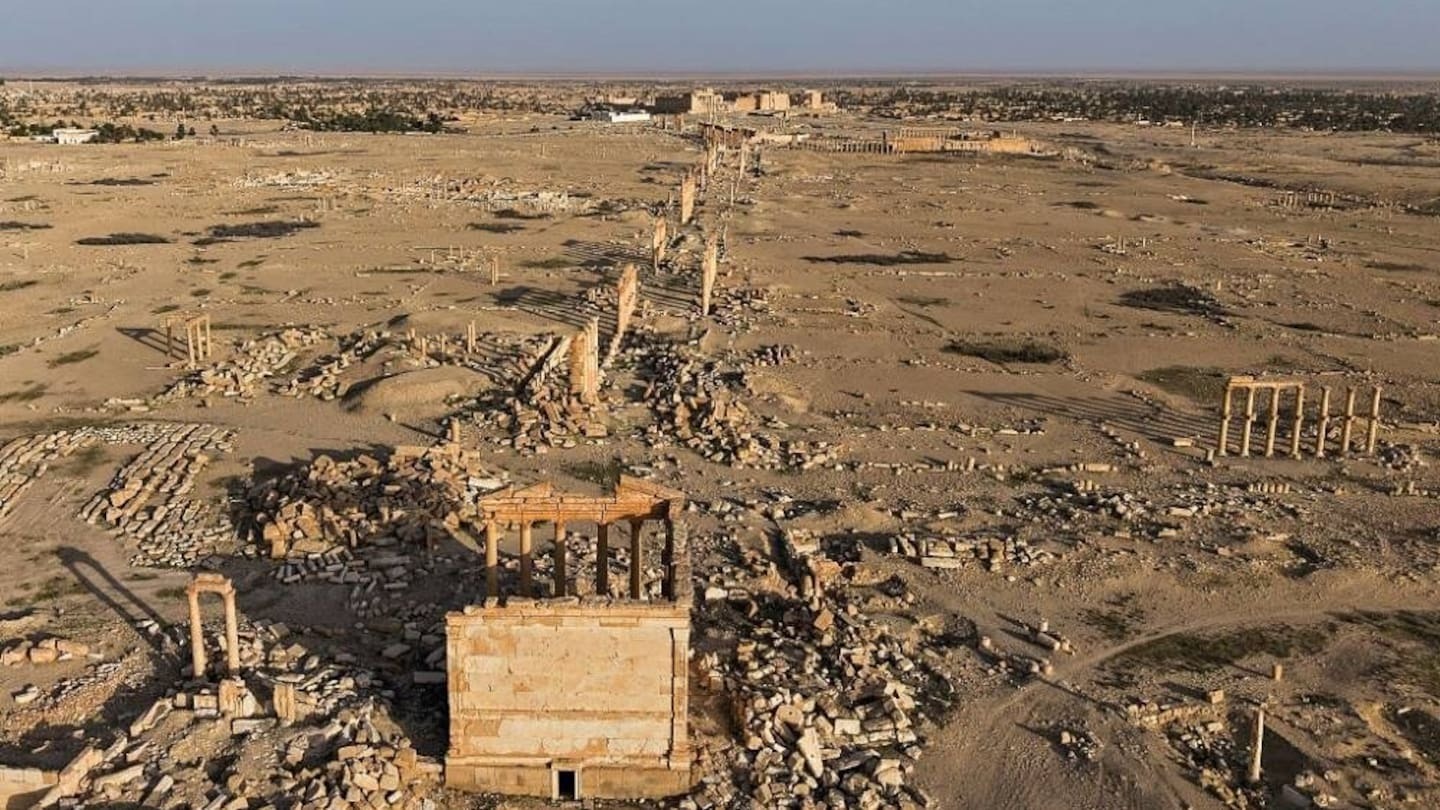
A coordinated operation against Isis sleeper cells commenced today, involving Syrian forces and a coalition led by the United States. This action follows a deadly attack that resulted in the deaths of two US soldiers and a civilian interpreter in central Syria’s Palmyra region. The Syrian government described the incident as a “terrorist attack,” asserting that it was executed by an Isis militant who was subsequently killed.
According to a Syrian Interior Ministry official, who spoke on condition of anonymity, the operation is part of a broader “security campaign” aimed at tracking Isis sleeper cells throughout the Syrian desert. This initiative is being conducted in cooperation with the US-led international coalition. As of now, three individuals have been arrested in connection with the attack.
The attack, which occurred on Sunday, has prompted a significant response from both Syrian and US officials. Syrian President Ahmed al-Sharaa expressed condolences to US President Donald Trump, emphasizing Syria’s solidarity with the victims’ families. The Syrian Interior Ministry indicated that the perpetrator was a member of the security forces who was scheduled to be dismissed for “extremist Islamist ideas.”
In the wake of the incident, a Syrian security official confirmed that “11 members of the general security forces were arrested and brought in for questioning.” This individual, also speaking anonymously, noted that the gunman had been part of the security forces for over 10 months, having served in various cities before his assignment to Palmyra.
Details of the Attack and Response
The attack marks the first significant violence reported since Islamist-led forces overthrew former Syrian president Bashar al-Assad in December 2022, an event that has altered the dynamics of US-Syrian relations. Following the attack, President Trump vowed “very serious retaliation.”
A Syrian military official, who also requested anonymity, stated that gunfire erupted during a meeting between Syrian and US officers at a Syrian base in Palmyra. Conversely, a Pentagon official indicated that the attack took place in an area outside of Syrian government control. The Syrian Interior Ministry disclosed that an Isis member had “infiltrated” the meeting prior to executing the attack.
US envoy to Syria, Tom Barrack, commented that the incident only serves to reinforce the US strategy to “enable capable Syrian partners” in the fight against Isis. In a phone conversation with US Senator Marco Rubio, Syrian Foreign Minister Asaad al-Shaibani conveyed his condolences and highlighted that the attack represents a new challenge in the ongoing fight against terrorism.
Pentagon spokesman Sean Parnell clarified that the fallen soldiers were engaged in a key leader engagement supporting counter-terrorism operations at the time of the assault. President Trump categorized the incident as “an Isis attack against the US, and Syria, in a very dangerous part of Syria,” adding that the three other wounded US troops were recovering well.
The official Syrian news agency, Sana, reported that the attack also resulted in injuries to two members of the Syrian security forces. In a statement, the Interior Ministry noted there had been prior warnings from internal security commands regarding potential Isis infiltration, asserting that international coalition forces did not adequately consider these alerts.
Continuing Violence and Historical Context
Tragically, the violence did not cease with the attack on US troops. On the same day, gunmen shot and killed four members of the Interior Ministry’s road security department in the northwestern Idlib province, although it remains unclear if this incident is connected to the previous day’s attack.
Isis initially seized large territories in Syria and Iraq in 2014 during the Syrian civil war, but was territorially defeated in Syria five years later. Despite this, Isis fighters continue to maintain a presence, especially in Syria’s expansive desert regions.
Last month, during President al-Sharaa’s historic visit to Washington, Syria formally joined the US-led global coalition against Isis, signaling a potential shift in alliances in the region. As the situation unfolds, the coalition’s efforts against Isis sleeper cells are poised to intensify, particularly in light of recent events.













New Zealand Increases Security at Jewish Sites After Bondi Attack

Former Blue Chip Investor Recounts Shocking Du Val Offer

Students Dazzle in Original Production “Christmas Couch Adventures”

Tinopai Residents Push for Wharf Replacement Amid Safety Concerns

Unique Riverside Log Cabin in Waihi Hits the Market

New Zealand Government Urges Early Passport Renewals to Avoid Delays

Ardie Savea Shines and Struggles in Return to Japanese Rugby

Bondi Beach Shooting Claims Lives During Chanukah Festival

Coalition Forces Target Isis Sleeper Cells After Attack on US Troops

Private Funeral Held for Dean Field and His Three Children

Funeral Planned for Field Siblings After Tragic House Fire

Netball New Zealand Stands Down Dame Noeline Taurua for Series

Tributes Pour In for Lachlan Rofe, Reality Star, Dead at 47

New ‘Maverick’ Chaser Joins Beat the Chasers Season Finale

Silver Ferns Legend Laura Langman Criticizes Team’s Attitude

Eli Katoa Rushed to Hospital After Sideline Incident During Match

Netball NZ Calls for Respect Amid Dame Taurua’s Standoff

Investigation Underway in Tragic Sanson House Fire Involving Family
-
 World3 weeks ago
Private Funeral Held for Dean Field and His Three Children
-
 Top Stories3 weeks ago
Funeral Planned for Field Siblings After Tragic House Fire
-
 Sports3 months ago
Netball New Zealand Stands Down Dame Noeline Taurua for Series
-
 Entertainment3 months ago
Tributes Pour In for Lachlan Rofe, Reality Star, Dead at 47
-
 Entertainment2 months ago
New ‘Maverick’ Chaser Joins Beat the Chasers Season Finale
-
 Sports3 months ago
Silver Ferns Legend Laura Langman Criticizes Team’s Attitude
-
 Sports1 month ago
Eli Katoa Rushed to Hospital After Sideline Incident During Match
-
 Politics2 months ago
Netball NZ Calls for Respect Amid Dame Taurua’s Standoff
-
 World4 weeks ago
Investigation Underway in Tragic Sanson House Fire Involving Family
-

 Entertainment1 week ago
Jacinda Ardern Discusses Popularity Decline on Graham Norton Show
-
 Sports2 weeks ago
Eli Katoa Shares Positive Recovery Update After Brain Surgery
-

 Top Stories3 weeks ago
Shock and Grief Follow Tragic Family Deaths in New Zealand