
Business
Fireworks Bans Spark Controversy Over Backyard Celebrations

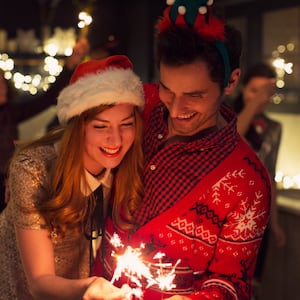
Concerns about safety have ignited a contentious debate over fireworks bans in residential areas, particularly during festive occasions like the July 4 celebrations in the United States. While many advocate for stricter regulations to prevent accidents and injuries, others argue that such bans undermine the joy and tradition of backyard fireworks displays.
The National Fire Protection Association (NFPA) reported that fireworks cause an estimated 19,500 fires each year in the United States, leading to numerous injuries and property damage. As a result, local councils across various countries, including the UK and several Australian cities, are increasingly considering or implementing bans on personal fireworks use. Proponents of these bans emphasize public safety, arguing that the risk of accidents outweighs the benefits of allowing personal fireworks.
Yet, this perspective overlooks the cultural significance and community spirit associated with fireworks. For many families, lighting fireworks is a cherished tradition that fosters communal bonds and celebrates important dates. As Deborah Chambers argues, the joy of backyard celebrations should not be extinguished by fear alone.
Balancing Safety and Tradition
While the statistics regarding fire-related incidents cannot be ignored, they often do not reflect the full picture. The Fireworks Safety Coalition suggests that many of these accidents occur due to misuse or lack of knowledge about safe handling practices. Education on responsible fireworks usage could mitigate risks without resorting to outright bans.
Community leaders and safety advocates should collaborate to develop comprehensive safety programs that inform citizens about proper fireworks handling. These initiatives could include public demonstrations and workshops, emphasizing the importance of safety without eliminating the fun.
Moreover, individual responsibility plays a crucial role. Many households already take precautions when using fireworks, such as having water buckets nearby and ensuring a safe distance from spectators. By promoting safety awareness, communities can preserve the enjoyment of fireworks while minimizing risks.
Alternative Celebrations
As cities grapple with this issue, some communities are exploring alternatives to personal fireworks displays. Public fireworks shows are becoming increasingly popular, offering a centralized and controlled environment for celebrations. These events can be both spectacular and safe, drawing crowds and enhancing the festive atmosphere.
However, these public displays do not fully replicate the intimate experience of a backyard celebration. The thrill of gathering with friends and family, creating memories, and sharing in the excitement of lighting fireworks is irreplaceable for many.
Chambers notes that banning personal fireworks can lead to a sense of loss for families who have celebrated this way for generations. While safety should always be a priority, it is essential to find a balance that allows families to enjoy the traditions they hold dear.
As the debate continues, communities will need to weigh the importance of safety against the cultural significance of fireworks. Engaging in open dialogue and exploring innovative solutions can help achieve a compromise that respects both concerns.
In conclusion, the conversation surrounding fireworks bans should not solely focus on the potential dangers but also consider the joy and community spirit they can foster. By prioritizing education and responsible use, families can continue to enjoy backyard celebrations while keeping safety front of mind.













New $25 Million Funding Boosts Hospital Capacity Ahead of Winter

Discover Sleep Space’s Affordable Bach Bed Packages Today

Jury Dismissed in Sexual Assault Trial Over Misguided Questions

Wellington’s New Gallery Unveils Community-Driven Art Exhibition

All Whites Face Challenges as Injuries Strike Before World Cup

Heroic Bystander Rescues Swimmers from Dangerous Surf in Napier

Nina Oyama Returns to Crime Comedy in Deadloch Season 2

China Southern Airlines Offers Reliable Journey from Auckland to Vietnam

Nina Oyama Returns to Deadloch for Anticipated Season 2

Community Mourns Teens Lost in Mount Maunganui Landslide

Tributes Pour In for Lachlan Rofe, Reality Star, Dead at 47

Private Funeral Held for Dean Field and His Three Children

Funeral Planned for Field Siblings After Tragic House Fire

Netball New Zealand Stands Down Dame Noeline Taurua for Series

Al Waha Motors Opens Flagship Jetour Showroom in Al Khor

Julian Dennison Ties the Knot with Christian Baledrokadroka in New Zealand

Auckland’s Average Rent Surpasses $700 for Three-Bedroom Homes

New Research Reveals Simple Path to Enhanced Happiness
-
 Top Stories7 months ago
Community Mourns Teens Lost in Mount Maunganui Landslide
-
 Entertainment11 months ago
Tributes Pour In for Lachlan Rofe, Reality Star, Dead at 47
-
 World9 months ago
Private Funeral Held for Dean Field and His Three Children
-
 Top Stories9 months ago
Funeral Planned for Field Siblings After Tragic House Fire
-
 Sports11 months ago
Netball New Zealand Stands Down Dame Noeline Taurua for Series
-
 Health7 months ago
Al Waha Motors Opens Flagship Jetour Showroom in Al Khor
-
 Entertainment7 months ago
Julian Dennison Ties the Knot with Christian Baledrokadroka in New Zealand
-
 Business7 months ago
Auckland’s Average Rent Surpasses $700 for Three-Bedroom Homes
-
 Science10 months ago
New Research Reveals Simple Path to Enhanced Happiness
-

 Entertainment10 months ago
New ‘Maverick’ Chaser Joins Beat the Chasers Season Finale
-

 Lifestyle11 months ago
Maia Wilson Faces Backlash Following Taurua’s Suspension
-

 Sports10 months ago
All Blacks Star Damian McKenzie and Partner Announce Baby News