
Top Stories
Former South Korean President Sentenced to Life for Insurrection

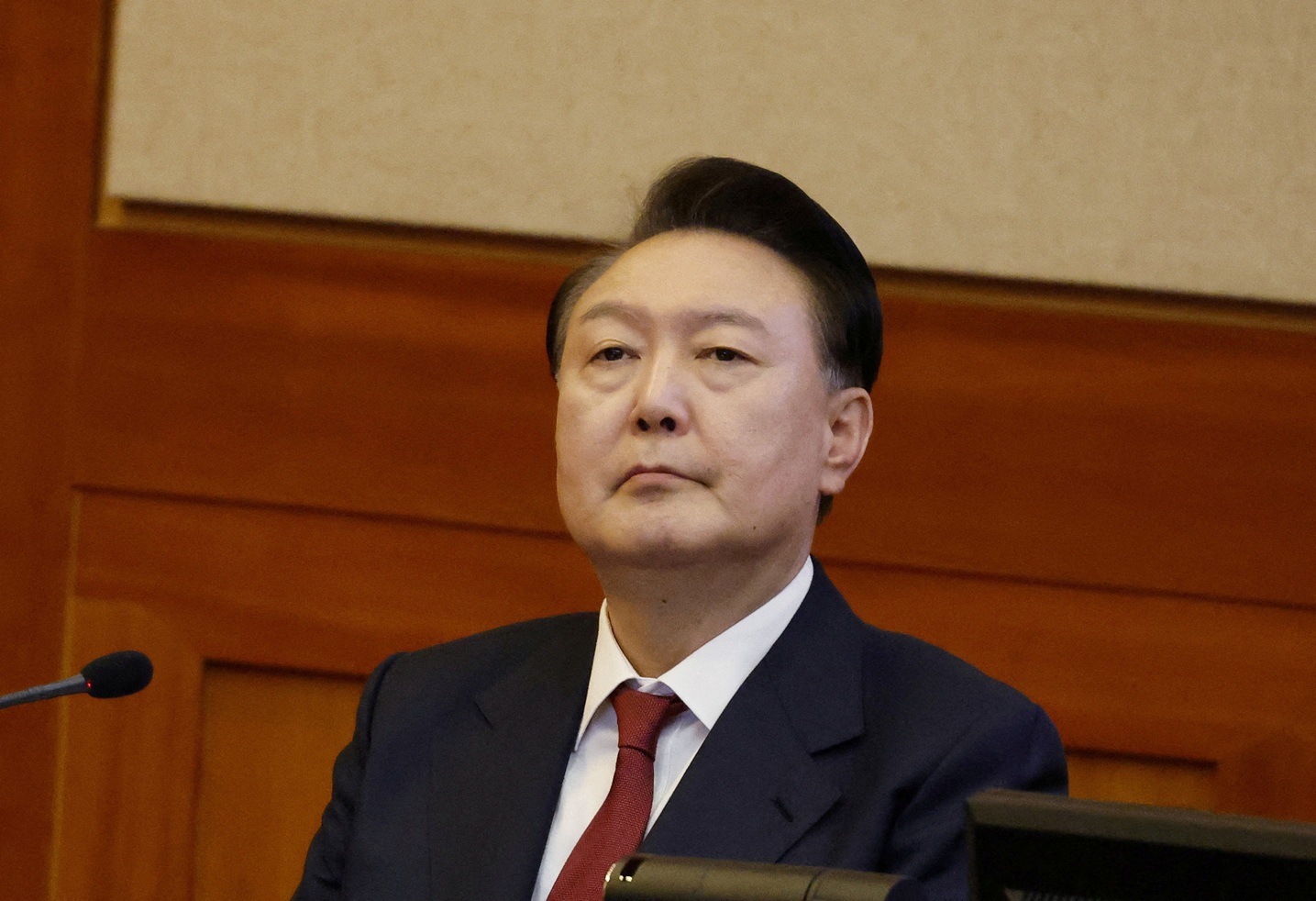
A South Korean court has sentenced former President Yoon Suk-yeol to life imprisonment for his role in an attempted insurrection that triggered a national political crisis. This decision, handed down by the Seoul Central District Court, comes after prosecutors initially sought the death penalty, underscoring the gravity of the charges against the ousted leader.
Prosecutors argued that Yoon’s declaration of emergency martial law in January 2023 represented a significant threat to the country’s democratic institutions. They stated that his actions “undermined the function of the National Assembly and the Election Commission,” effectively dismantling the liberal democratic constitutional order. Under South Korean law, masterminding an insurrection can result in severe penalties, including life imprisonment or the death penalty, though the last execution in the country occurred in 1997.
Following the trial’s conclusion, police maintained a robust presence around the courthouse, with security measures including police buses to form a cordon around the area. The court also addressed additional charges against Yoon, alleging that he abused his authority by ordering military forces to storm the National Assembly to detain political opponents. Yoon has consistently denied these allegations, claiming he acted within his presidential rights to combat what he described as obstruction by opposition parties.
Yoon, now 65 years old, has been held at the Seoul Detention Centre during the proceedings. Regardless of the court’s ruling, it is anticipated that he will remain in custody. Should he be found guilty, Yoon is expected to appeal the decision, with the judicial process typically lasting up to two years, including any appeals. The first trial must conclude within six months, although delays are common.
His attempt to impose martial law, which lasted approximately six hours, faced immediate backlash, including significant public protests that ultimately led to its rejection by parliament. The incident sent shockwaves through South Korea, a nation recognized as Asia’s fourth-largest economy and a crucial ally of the United States, known for its democratic resilience.
In a statement reflecting on the events, current President Lee Jae Myung praised the actions of the Korean populace for their role in preventing Yoon’s martial law declaration. He remarked that this resistance exemplified the strength of the Republic of Korea and suggested that the public’s peaceful opposition could warrant a nomination for the Nobel Peace Prize, as some academics have proposed.
While Yoon’s insurrection trial concludes, he faces additional legal challenges, including eight other proceedings. In a separate trial earlier this year, he received a five-year sentence for obstructing law enforcement attempts to arrest him following his martial law declaration. He has appealed this ruling as well.
As South Korea grapples with the implications of this ruling, the case stands as a pivotal moment in the nation’s political landscape, reflecting ongoing tensions and the public’s commitment to democratic principles.









New $25 Million Funding Boosts Hospital Capacity Ahead of Winter

Discover Sleep Space’s Affordable Bach Bed Packages Today

Jury Dismissed in Sexual Assault Trial Over Misguided Questions

Wellington’s New Gallery Unveils Community-Driven Art Exhibition

All Whites Face Challenges as Injuries Strike Before World Cup

Heroic Bystander Rescues Swimmers from Dangerous Surf in Napier

Nina Oyama Returns to Crime Comedy in Deadloch Season 2

China Southern Airlines Offers Reliable Journey from Auckland to Vietnam

Nina Oyama Returns to Deadloch for Anticipated Season 2

Community Mourns Teens Lost in Mount Maunganui Landslide

Tributes Pour In for Lachlan Rofe, Reality Star, Dead at 47

Private Funeral Held for Dean Field and His Three Children

Funeral Planned for Field Siblings After Tragic House Fire

Al Waha Motors Opens Flagship Jetour Showroom in Al Khor

Netball New Zealand Stands Down Dame Noeline Taurua for Series

Julian Dennison Ties the Knot with Christian Baledrokadroka in New Zealand

Auckland’s Average Rent Surpasses $700 for Three-Bedroom Homes

New Research Reveals Simple Path to Enhanced Happiness
-
 Top Stories7 months ago
Community Mourns Teens Lost in Mount Maunganui Landslide
-
 Entertainment11 months ago
Tributes Pour In for Lachlan Rofe, Reality Star, Dead at 47
-
 World9 months ago
Private Funeral Held for Dean Field and His Three Children
-
 Top Stories9 months ago
Funeral Planned for Field Siblings After Tragic House Fire
-
 Health7 months ago
Al Waha Motors Opens Flagship Jetour Showroom in Al Khor
-
 Sports11 months ago
Netball New Zealand Stands Down Dame Noeline Taurua for Series
-
 Entertainment7 months ago
Julian Dennison Ties the Knot with Christian Baledrokadroka in New Zealand
-
 Business8 months ago
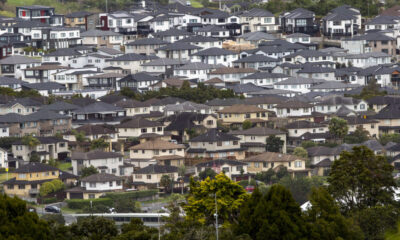
Auckland’s Average Rent Surpasses $700 for Three-Bedroom Homes
-
 Science10 months ago
New Research Reveals Simple Path to Enhanced Happiness
-

 Entertainment10 months ago
New ‘Maverick’ Chaser Joins Beat the Chasers Season Finale
-

 Lifestyle11 months ago
Maia Wilson Faces Backlash Following Taurua’s Suspension
-

 Sports10 months ago
All Blacks Star Damian McKenzie and Partner Announce Baby News