
Top Stories
Fuel Supply Disruption: Prioritizing Planning Over Panic

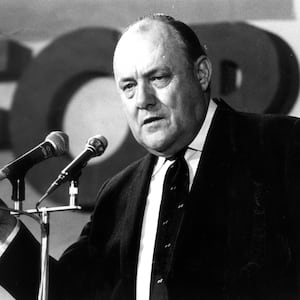
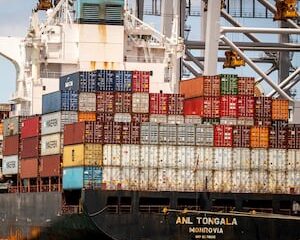
Concerns regarding potential disruptions to fuel supply chains have spurred discussions on effective responses to oil shocks. Experts argue that the focus should be on strategic planning rather than reactions driven by panic. With recent fluctuations in oil prices and supply reliability, the need for a comprehensive approach is becoming increasingly evident.
Understanding the Current Landscape
In light of recent events, including geopolitical tensions and natural disasters, the global oil market has faced significant instability. According to the International Energy Agency, oil prices surged by 25% in the past month alone. This sharp increase can strain consumers and businesses alike, raising the specter of fuel shortages and escalating costs.
As governments and private sector leaders assess the situation, many are calling for clear strategies to manage potential disruptions in fuel supply. Liam Dann, a noted commentator on energy policy, emphasizes the importance of preparation. He suggests that the implementation of carless days or similar measures can lead to more confusion and inconvenience rather than provide lasting solutions.
Developing a Comprehensive Response Plan
To effectively navigate these challenges, decision-makers must prioritize resilience in fuel supply systems. This includes investing in infrastructure and diversifying energy sources. For instance, transitioning to renewable energy options can reduce dependence on oil while also addressing environmental concerns.
Moreover, establishing clear communication channels between governments, businesses, and consumers is essential. Transparency regarding potential shortages and supply chain issues can mitigate anxiety and foster a more cooperative approach to resource management.
As the global community grapples with these challenges, the emphasis must remain on proactive measures. Engaging in discussions about energy conservation, alternative transportation methods, and efficient logistics can help cushion the impact of any future disruptions. The focus should not only be on immediate solutions but also on long-term sustainability in energy practices.
In conclusion, while the threat of oil shocks looms large, the path forward lies in strategic planning and collaboration. By prioritizing preparedness over panic, society can navigate these complexities with greater confidence and resilience.








New $25 Million Funding Boosts Hospital Capacity Ahead of Winter

Discover Sleep Space’s Affordable Bach Bed Packages Today

Jury Dismissed in Sexual Assault Trial Over Misguided Questions

Wellington’s New Gallery Unveils Community-Driven Art Exhibition

All Whites Face Challenges as Injuries Strike Before World Cup

Heroic Bystander Rescues Swimmers from Dangerous Surf in Napier

Nina Oyama Returns to Crime Comedy in Deadloch Season 2

China Southern Airlines Offers Reliable Journey from Auckland to Vietnam

Nina Oyama Returns to Deadloch for Anticipated Season 2

Community Mourns Teens Lost in Mount Maunganui Landslide

Tributes Pour In for Lachlan Rofe, Reality Star, Dead at 47

Private Funeral Held for Dean Field and His Three Children

Funeral Planned for Field Siblings After Tragic House Fire

Netball New Zealand Stands Down Dame Noeline Taurua for Series

Julian Dennison Ties the Knot with Christian Baledrokadroka in New Zealand

New Research Reveals Simple Path to Enhanced Happiness

New ‘Maverick’ Chaser Joins Beat the Chasers Season Finale

Silver Ferns Legend Laura Langman Criticizes Team’s Attitude
-
 Top Stories2 months ago
Community Mourns Teens Lost in Mount Maunganui Landslide
-
 Entertainment6 months ago
Tributes Pour In for Lachlan Rofe, Reality Star, Dead at 47
-
 World4 months ago
Private Funeral Held for Dean Field and His Three Children
-
 Top Stories4 months ago
Funeral Planned for Field Siblings After Tragic House Fire
-
 Sports6 months ago
Netball New Zealand Stands Down Dame Noeline Taurua for Series
-
 Entertainment2 months ago
Julian Dennison Ties the Knot with Christian Baledrokadroka in New Zealand
-
 Science5 months ago
New Research Reveals Simple Path to Enhanced Happiness
-
 Entertainment5 months ago
New ‘Maverick’ Chaser Joins Beat the Chasers Season Finale
-
 Sports6 months ago
Silver Ferns Legend Laura Langman Criticizes Team’s Attitude
-

 Sports4 months ago
Eli Katoa Rushed to Hospital After Sideline Incident During Match
-

 Sports3 months ago
Nathan Williamson’s Condition Improves Following Race Fall
-

 Politics5 months ago
Netball NZ Calls for Respect Amid Dame Taurua’s Standoff