
Top Stories
Homeowners Urged to Consider New Granny Flat Regulations

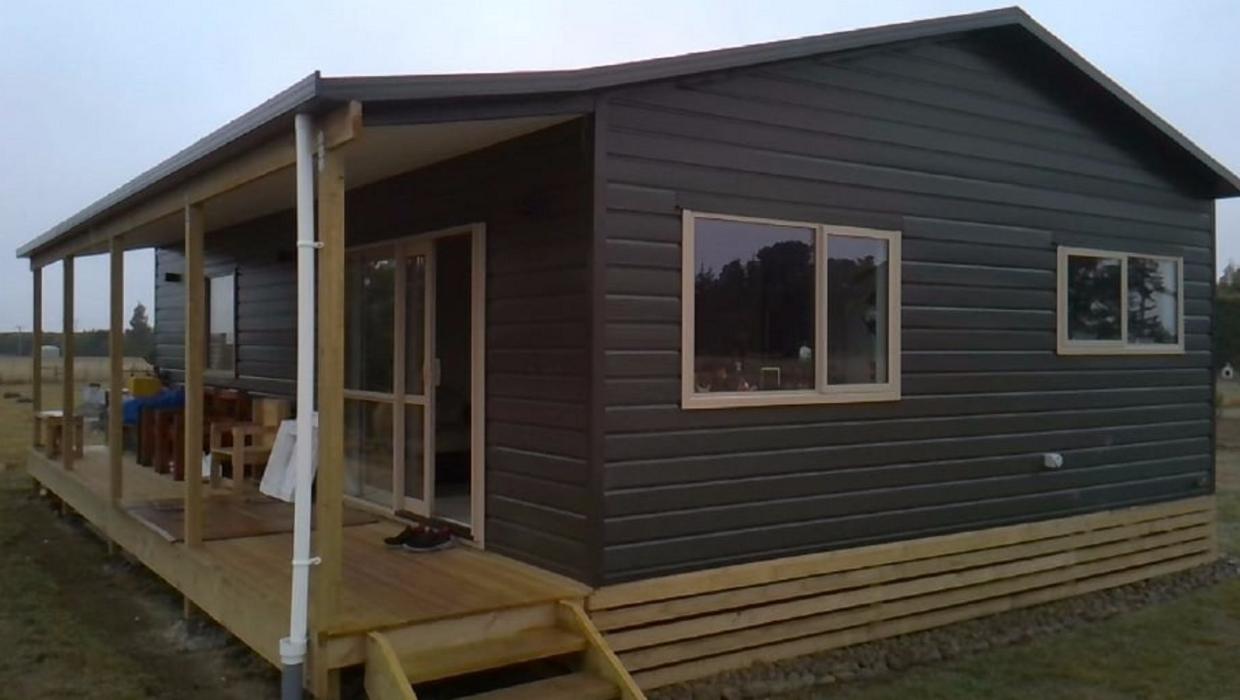
Changes to regulations regarding granny flats have prompted warnings for homeowners in New Zealand. Local councils are now required to assess whether a resource consent is necessary when a property is located within a natural hazard area. These updated rules aim to ensure that the development of additional housing units complies with safety and environmental standards.
The Ministry of Business, Innovation and Employment has clarified that the new regulations, which came into effect in 2023, are part of an effort to address housing shortages while maintaining safety and environmental integrity. Homeowners planning to build granny flats should be aware of the implications of these changes, particularly if their properties fall within designated natural hazard zones.
Understanding the Requirements
A resource consent is essential for homeowners who wish to develop a granny flat in areas prone to risks such as flooding or land instability. This requirement emphasizes the importance of conducting thorough assessments to mitigate potential hazards. Local councils will evaluate each application based on specific criteria outlined in the Building Code.
Notably, properties near coastlines or rivers may face stricter scrutiny. Homeowners are encouraged to consult with their local authorities to understand the specific risks associated with their properties. Failure to obtain the necessary consent could lead to significant penalties and complications during the construction process.
Impact on Housing Development
The introduction of these regulations has sparked a debate among homeowners and developers regarding the balance between increasing housing availability and ensuring safety. While granny flats can provide essential additional living space, particularly for families or rental purposes, the environmental risks cannot be overlooked.
According to local councils, the aim is to facilitate responsible growth in housing while safeguarding communities from potential hazards. Homeowners who are uncertain about the process or the required consents are advised to seek guidance from professionals in the building and planning sectors.
This shift in regulation reflects a broader trend in urban development, where safety considerations increasingly influence housing policies. As New Zealand grapples with a housing shortage, these regulations serve to remind homeowners of the importance of adhering to safety standards while pursuing development opportunities.
In conclusion, homeowners interested in constructing granny flats should carefully review the new requirements and consult with their local councils. Understanding the implications of these regulations will not only aid in compliance but also contribute to safer and more sustainable housing solutions in the long run.










New $25 Million Funding Boosts Hospital Capacity Ahead of Winter

Discover Sleep Space’s Affordable Bach Bed Packages Today

Jury Dismissed in Sexual Assault Trial Over Misguided Questions

Wellington’s New Gallery Unveils Community-Driven Art Exhibition

All Whites Face Challenges as Injuries Strike Before World Cup

Heroic Bystander Rescues Swimmers from Dangerous Surf in Napier

Nina Oyama Returns to Crime Comedy in Deadloch Season 2

China Southern Airlines Offers Reliable Journey from Auckland to Vietnam

Nina Oyama Returns to Deadloch for Anticipated Season 2

Community Mourns Teens Lost in Mount Maunganui Landslide

Tributes Pour In for Lachlan Rofe, Reality Star, Dead at 47

Private Funeral Held for Dean Field and His Three Children

Funeral Planned for Field Siblings After Tragic House Fire

Netball New Zealand Stands Down Dame Noeline Taurua for Series

Al Waha Motors Opens Flagship Jetour Showroom in Al Khor

Julian Dennison Ties the Knot with Christian Baledrokadroka in New Zealand

Auckland’s Average Rent Surpasses $700 for Three-Bedroom Homes

New Research Reveals Simple Path to Enhanced Happiness
-
 Top Stories7 months ago
Community Mourns Teens Lost in Mount Maunganui Landslide
-
 Entertainment11 months ago
Tributes Pour In for Lachlan Rofe, Reality Star, Dead at 47
-
 World9 months ago
Private Funeral Held for Dean Field and His Three Children
-
 Top Stories9 months ago
Funeral Planned for Field Siblings After Tragic House Fire
-
 Sports11 months ago
Netball New Zealand Stands Down Dame Noeline Taurua for Series
-
 Health7 months ago
Al Waha Motors Opens Flagship Jetour Showroom in Al Khor
-
 Entertainment7 months ago
Julian Dennison Ties the Knot with Christian Baledrokadroka in New Zealand
-
 Business7 months ago
Auckland’s Average Rent Surpasses $700 for Three-Bedroom Homes
-
 Science10 months ago
New Research Reveals Simple Path to Enhanced Happiness
-

 Entertainment10 months ago
New ‘Maverick’ Chaser Joins Beat the Chasers Season Finale
-

 Lifestyle10 months ago
Maia Wilson Faces Backlash Following Taurua’s Suspension
-

 Sports10 months ago
All Blacks Star Damian McKenzie and Partner Announce Baby News