
World
Christopher Luxon Faces Leadership Challenges Amid Crisis

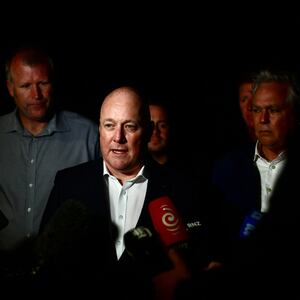
New Zealand’s Prime Minister, Christopher Luxon, is grappling with a significant leadership crisis as he navigates mounting challenges within his government. The situation has raised questions about his crisis management abilities, particularly in comparison to his predecessors, John Key and Jacinda Ardern, who were known for their adept handling of turbulent times.
Luxon assumed office in November 2022 amid high expectations from his party, the National Party. However, recent events have highlighted vulnerabilities in his leadership style. His government is facing criticism over various issues, including economic pressures and public dissatisfaction with policy decisions. These challenges have intensified since the October 2023 local elections, where the National Party’s performance did not meet expectations.
One of the primary issues Luxon faces is a growing economic crisis, characterized by rising inflation and cost-of-living concerns. According to the New Zealand Institute of Economic Research, inflation rates have surged to approximately 6.8%, impacting household budgets and overall consumer confidence. This economic strain has prompted calls for immediate action from both political opponents and the public.
In contrast, former leaders Key and Ardern managed crises with a blend of empathy and decisiveness. Key, who led New Zealand from 2008 to 2017, effectively guided the country through the Global Financial Crisis. Ardern, who served from 2017 to 2023, garnered international praise for her response to the Christchurch mosque attacks and the COVID-19 pandemic. Luxon’s approach, however, is under scrutiny as he attempts to balance tough economic realities with the need for public reassurance.
Luxon’s leadership style has also come under fire for its perceived lack of engagement with the electorate. Critics argue that he has not effectively communicated his government’s plans or demonstrated a clear vision for the future. This disconnect may be contributing to a decline in public support, with recent polls indicating that the Labour Party, led by Chris Hipkins, is regaining ground among voters.
As the National Party faces these challenges, Luxon must also contend with internal party dynamics. Discontent among party members has surfaced, with some expressing frustration over the party’s direction and effectiveness. The need for unity and a clear message is critical, especially as the next general election approaches in 2026.
In light of these issues, Luxon’s ability to respond effectively to this crisis will be pivotal for his political future. Observers are closely watching how he will address economic concerns while rebuilding trust with the public. The upcoming months will be crucial as he seeks to redefine his leadership narrative and navigate the complexities of governance in a challenging landscape.
As Luxon confronts these pressing issues, the question remains: can he rally his party and regain public confidence, or will he follow the path of historical leaders who faced similar crises? The answers will shape not only his legacy but also the future of New Zealand’s political landscape.









New $25 Million Funding Boosts Hospital Capacity Ahead of Winter

Discover Sleep Space’s Affordable Bach Bed Packages Today

Jury Dismissed in Sexual Assault Trial Over Misguided Questions

Wellington’s New Gallery Unveils Community-Driven Art Exhibition

All Whites Face Challenges as Injuries Strike Before World Cup

Heroic Bystander Rescues Swimmers from Dangerous Surf in Napier

Nina Oyama Returns to Crime Comedy in Deadloch Season 2

China Southern Airlines Offers Reliable Journey from Auckland to Vietnam

Nina Oyama Returns to Deadloch for Anticipated Season 2

Community Mourns Teens Lost in Mount Maunganui Landslide

Tributes Pour In for Lachlan Rofe, Reality Star, Dead at 47

Private Funeral Held for Dean Field and His Three Children

Funeral Planned for Field Siblings After Tragic House Fire

Netball New Zealand Stands Down Dame Noeline Taurua for Series

Julian Dennison Ties the Knot with Christian Baledrokadroka in New Zealand

New Research Reveals Simple Path to Enhanced Happiness

New ‘Maverick’ Chaser Joins Beat the Chasers Season Finale

All Blacks Star Damian McKenzie and Partner Announce Baby News
-
 Top Stories4 months ago
Community Mourns Teens Lost in Mount Maunganui Landslide
-
 Entertainment9 months ago
Tributes Pour In for Lachlan Rofe, Reality Star, Dead at 47
-
 World7 months ago
Private Funeral Held for Dean Field and His Three Children
-
 Top Stories7 months ago
Funeral Planned for Field Siblings After Tragic House Fire
-
 Sports9 months ago
Netball New Zealand Stands Down Dame Noeline Taurua for Series
-
 Entertainment5 months ago
Julian Dennison Ties the Knot with Christian Baledrokadroka in New Zealand
-
 Science8 months ago
New Research Reveals Simple Path to Enhanced Happiness
-
 Entertainment8 months ago
New ‘Maverick’ Chaser Joins Beat the Chasers Season Finale
-
 Sports8 months ago
All Blacks Star Damian McKenzie and Partner Announce Baby News
-

 Sports9 months ago
Silver Ferns Legend Laura Langman Criticizes Team’s Attitude
-

 Sports7 months ago
Eli Katoa Rushed to Hospital After Sideline Incident During Match
-

 Lifestyle8 months ago
Maia Wilson Faces Backlash Following Taurua’s Suspension