
Science
Taxpayer Burden: New Science Agency Spends $270K on Rebranding

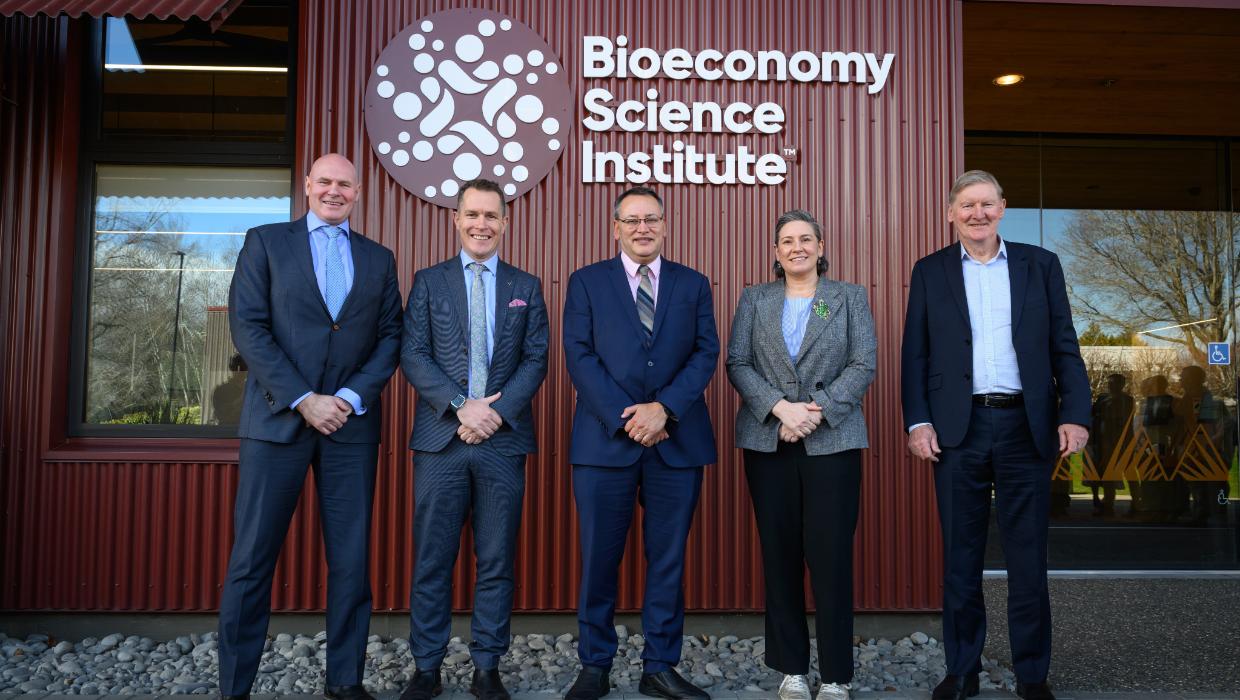
Newly established public research organisations in New Zealand have incurred a significant cost of over $270,000 on logo design, websites, and rebranding efforts. This expenditure raises eyebrows, particularly as a free government branding option is available.
Figures released under the Official Information Act reveal that Earth Sciences New Zealand, The Bioeconomy Science Institute, and The Public Health and Forensic Science Institute each spent tens of thousands of dollars on branding initiatives. For instance, Earth Sciences New Zealand allocated $71,596 and recorded 364 hours of staff time developing its logo and website.
The Bioeconomy Science Institute’s total expenditure amounted to $89,636, which included $42,735 in legal fees. Meanwhile, the Public Health and Forensic Science Institute spent $68,714. The rebranding efforts for the New Zealand Institute for Advanced Technology remain incomplete.
Government Overhaul and Spending Scrutiny
These costs emerged during a government-led overhaul of New Zealand’s science system, which began in July 2023. The reform merged six out of the seven Crown Research Institutes into three major entities. Earth Sciences New Zealand was formed from the merger of Niwa and GNS Science, while the Bioeconomy Science Institute resulted from the consolidation of AgResearch, Manaaki Whenua, Plant & Food Research, and Scion. The former ESR has transitioned into the Public Health and Forensic Science Institute.
Shane Reti, New Zealand’s Minister of Science, expressed concern over these expenditures, stating he was not informed of the costs before they were incurred. He emphasized the need for these organisations to operate with financial responsibility and seek efficiencies to prioritise impactful research.
The spending contravenes guidance from the Ministry of Business, Innovation and Employment and the Public Service Commission, which recommend that newly branded agencies utilise a shared government identity, incorporating the New Zealand Coat of Arms.
The Taxpayers’ Union obtained the spending figures through multiple Official Information Act requests, labelling the costs as “ego-driven” and “wasteful.” Investigations coordinator Rhys Hurley lamented the use of taxpayer funds for elaborate branding when a free alternative is readily available.
Defending the Expenditures
In response to the scrutiny, Iain Cossar, the programme director for science system reforms, stated that the Ministry had advised the former Crown Research Institutes to be prudent in their branding decisions. He noted that ensuring clear identification for customers and stakeholders is essential for these organisations.
Mark Piper, Chief Executive of the Bioeconomy Science Institute, confirmed that the agency has spent $46,900 on brand development and $51,000 on legal advice and trademark registrations. He explained that this legal work is critical for safeguarding the name and logo of the institute, asserting its necessity regardless of whether they adopted a government identity or created their own.
Piper further defended the importance of a strong brand, noting that nearly half of their revenue comes from non-government sources. A distinctive identity aids in connecting with clients, collaborators, and investors both domestically and internationally. He assured that the institute is managing costs carefully throughout this process.
The Public Health and Forensic Science Institute indicated an additional $32,000 has been spent since the OIA response, bringing their total to $100,714. A spokesperson clarified that these public research organisations do not qualify as government agencies, thus bypassing the applicability of the NZ Government Identity as per Public Service Commission guidance.
Similarly, Earth Sciences New Zealand maintained that, as a non-government entity, the use of the New Zealand Government identity is not mandatory, allowing them to pursue their branding strategy independently.
As the debate over these spending practices unfolds, the implications for public trust and the effective use of taxpayer funds remain a pressing concern in New Zealand’s research landscape.











New $25 Million Funding Boosts Hospital Capacity Ahead of Winter

Discover Sleep Space’s Affordable Bach Bed Packages Today

Jury Dismissed in Sexual Assault Trial Over Misguided Questions

Wellington’s New Gallery Unveils Community-Driven Art Exhibition

All Whites Face Challenges as Injuries Strike Before World Cup

Heroic Bystander Rescues Swimmers from Dangerous Surf in Napier

Nina Oyama Returns to Crime Comedy in Deadloch Season 2

China Southern Airlines Offers Reliable Journey from Auckland to Vietnam

Nina Oyama Returns to Deadloch for Anticipated Season 2

Community Mourns Teens Lost in Mount Maunganui Landslide

Tributes Pour In for Lachlan Rofe, Reality Star, Dead at 47

Private Funeral Held for Dean Field and His Three Children

Funeral Planned for Field Siblings After Tragic House Fire

Netball New Zealand Stands Down Dame Noeline Taurua for Series

Al Waha Motors Opens Flagship Jetour Showroom in Al Khor

Julian Dennison Ties the Knot with Christian Baledrokadroka in New Zealand

Auckland’s Average Rent Surpasses $700 for Three-Bedroom Homes

New Research Reveals Simple Path to Enhanced Happiness
-
 Top Stories6 months ago
Community Mourns Teens Lost in Mount Maunganui Landslide
-
 Entertainment11 months ago
Tributes Pour In for Lachlan Rofe, Reality Star, Dead at 47
-
 World8 months ago
Private Funeral Held for Dean Field and His Three Children
-
 Top Stories9 months ago
Funeral Planned for Field Siblings After Tragic House Fire
-
 Sports11 months ago
Netball New Zealand Stands Down Dame Noeline Taurua for Series
-
 Health6 months ago
Al Waha Motors Opens Flagship Jetour Showroom in Al Khor
-
 Entertainment7 months ago
Julian Dennison Ties the Knot with Christian Baledrokadroka in New Zealand
-
 Business7 months ago
Auckland’s Average Rent Surpasses $700 for Three-Bedroom Homes
-
 Science9 months ago
New Research Reveals Simple Path to Enhanced Happiness
-

 Entertainment10 months ago
New ‘Maverick’ Chaser Joins Beat the Chasers Season Finale
-

 Lifestyle10 months ago
Maia Wilson Faces Backlash Following Taurua’s Suspension
-

 Sports10 months ago
All Blacks Star Damian McKenzie and Partner Announce Baby News