
Politics
Waitangi Tribunal Urges Citizenship Rights Expansion for Māori

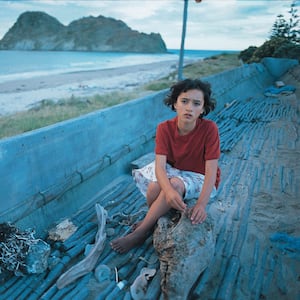
The Waitangi Tribunal has called for an extension of citizenship rights for Māori, concluding that the current legislation violates the rights established under Te Tiriti o Waitangi. The tribunal’s findings highlight the issue of “citizenship by descent,” which currently applies exclusively to individuals born to New Zealand citizens. This limitation has raised concerns, particularly as more New Zealanders, including a significant number of Māori, establish families overseas.
The matter gained public attention in September 2023 when prominent actress Keisha Castle-Hughes voiced her concerns regarding the citizenship rights of her children, who were born outside New Zealand. She, along with others, pointed out that their status as children of New Zealand citizens does not grant them automatic citizenship if they are born abroad. This situation reflects a growing challenge for many families who reside in countries like Australia and wish to secure New Zealand citizenship for their offspring.
The tribunal’s inquiry was initiated by a claim from John Ruddock, who was born in Australia to a Māori mother from New Zealand. Ruddock shared experiences of navigating “demeaning” processes while trying to obtain citizenship for his three children, who were born in the United States. His testimony underscored the barriers faced by those seeking recognition of their citizenship rights under the current framework.
Despite the tribunal’s recommendations, significant changes to the Citizenship Act appear unlikely in the near future. Both the Minister of Internal Affairs and the Prime Minister have indicated that they do not plan to amend the existing legislation. This lack of action raises questions about the government’s commitment to addressing the disparities highlighted by the tribunal.
The growing number of Māori living abroad, particularly in Australia, has intensified discussions around citizenship rights and the implications for future generations. According to estimates, the number of Māori residing overseas has increased significantly in recent years, with many families expressing concerns about the long-term impact of their children’s citizenship status.
As the conversation continues, the Waitangi Tribunal’s findings may serve as a catalyst for further advocacy regarding the rights of Māori descendants born outside New Zealand. The outcomes of this inquiry reflect broader issues of identity, belonging, and the recognition of indigenous rights within the evolving landscape of New Zealand’s citizenship laws.
The tribunal’s recommendations emphasize the importance of revisiting existing policies to ensure they align with the foundational principles of Te Tiriti o Waitangi. As these discussions progress, the voices of those affected will be crucial in shaping the future of citizenship rights for Māori descendants living abroad.







New $25 Million Funding Boosts Hospital Capacity Ahead of Winter

Discover Sleep Space’s Affordable Bach Bed Packages Today

Jury Dismissed in Sexual Assault Trial Over Misguided Questions

Wellington’s New Gallery Unveils Community-Driven Art Exhibition

All Whites Face Challenges as Injuries Strike Before World Cup

Heroic Bystander Rescues Swimmers from Dangerous Surf in Napier

Nina Oyama Returns to Crime Comedy in Deadloch Season 2

China Southern Airlines Offers Reliable Journey from Auckland to Vietnam

Nina Oyama Returns to Deadloch for Anticipated Season 2

Community Mourns Teens Lost in Mount Maunganui Landslide

Tributes Pour In for Lachlan Rofe, Reality Star, Dead at 47

Private Funeral Held for Dean Field and His Three Children

Funeral Planned for Field Siblings After Tragic House Fire

Netball New Zealand Stands Down Dame Noeline Taurua for Series

Julian Dennison Ties the Knot with Christian Baledrokadroka in New Zealand

Auckland’s Average Rent Surpasses $700 for Three-Bedroom Homes

Al Waha Motors Opens Flagship Jetour Showroom in Al Khor

New Research Reveals Simple Path to Enhanced Happiness
-
 Top Stories6 months ago
Community Mourns Teens Lost in Mount Maunganui Landslide
-
 Entertainment11 months ago
Tributes Pour In for Lachlan Rofe, Reality Star, Dead at 47
-
 World8 months ago
Private Funeral Held for Dean Field and His Three Children
-
 Top Stories8 months ago
Funeral Planned for Field Siblings After Tragic House Fire
-
 Sports11 months ago
Netball New Zealand Stands Down Dame Noeline Taurua for Series
-
 Entertainment6 months ago
Julian Dennison Ties the Knot with Christian Baledrokadroka in New Zealand
-
 Business7 months ago
Auckland’s Average Rent Surpasses $700 for Three-Bedroom Homes
-
 Health6 months ago
Al Waha Motors Opens Flagship Jetour Showroom in Al Khor
-
 Science9 months ago
New Research Reveals Simple Path to Enhanced Happiness
-

 Entertainment10 months ago
New ‘Maverick’ Chaser Joins Beat the Chasers Season Finale
-

 Lifestyle10 months ago
Maia Wilson Faces Backlash Following Taurua’s Suspension
-

 Sports9 months ago
All Blacks Star Damian McKenzie and Partner Announce Baby News