
Science
New Zealand Secures Over $20 Million for Innovative Bioeconomy Research

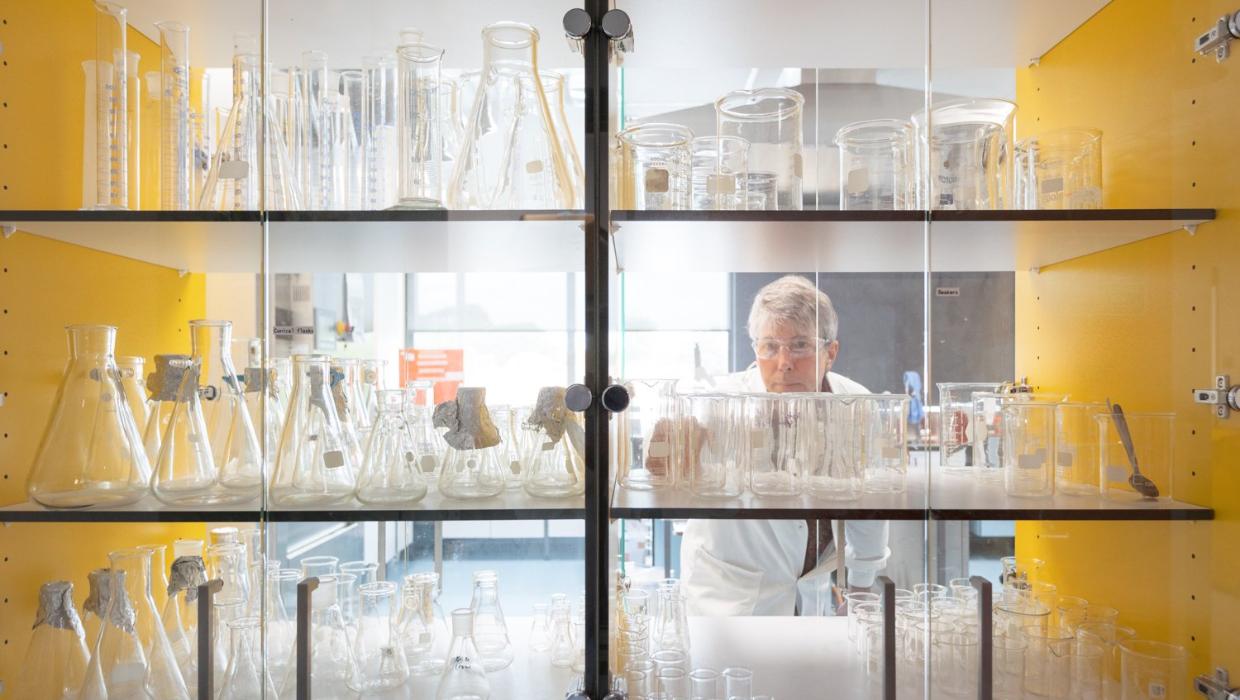
The Bioeconomy Science Institute, a collaboration of AgResearch, Manaaki Whenua – Landcare Research, Plant & Food Research, and Scion, has secured over $20 million in funding from the Endeavour Fund. This significant investment will support two transformative research programmes aimed at advancing New Zealand’s food, biotechnology, and horticultural sectors.
The first initiative, titled “Super-Storing: Extending the Life of NZ’s Perishable Fruits,” has received $10.2 million in funding. Led by Bioeconomy Science Institute’s cultivar development scientist, Associate Professor Robert Schaffer, and Dr. Rosie Schröder, the project aims to enhance the storage life of fast-perishable fruits, such as summer fruits and berries, by mimicking the long shelf life of kiwifruit. Through the application of advanced gene technologies, the team intends to enable these crops to be stored and shipped via sea to distant markets in Asia and Europe, thereby increasing export potential.
New Zealand’s fresh fruit exports currently account for $3.5 billion annually, primarily driven by kiwifruit and apples. This research is expected to diversify the horticultural sector and support the Government’s objective of increasing export value from $7 billion to $12 billion per year. Anticipated outcomes include generating over $600 million in additional economic activity, reducing food waste, and lowering emissions by transitioning from air-freight to sea-freight.
“This work will directly benefit growers, extend harvest windows, and build resilience against extreme weather,” Schaffer stated. “It’s about unlocking the full potential of New Zealand’s horticultural diversity.”
The second research programme, “Turning Pine Waste into Premium Proteins,” is a five-year initiative with funding of $10.4 million. This project, led by Dr. David Hooks and Dr. Scott Knowles from the Bioeconomy Science Institute, aims to utilize Precision Fermentation (PF) to convert pine forestry residues into high-value proteins. The initiative will transform previously discarded or burned softwood residues into fermentation feedstocks using innovative chemoenzymatic methods. These feedstocks will cultivate engineered yeast strains capable of producing specialty proteins like osteopontin and casozepine, which offer nutritional benefits similar to traditional animal-derived ingredients.
This programme is designed to aid New Zealand’s transition to a low-emission circular bioeconomy while addressing key challenges in feedstock availability, manufacturing scale, and the regulatory landscape surrounding gene technologies.
“This is more than a research programme,” Dr. Hooks explained. “It’s a blueprint for how New Zealand can lead in the next generation of food and biotech innovation. This is about creating value from what we already have. New Zealand has abundant bioresources and world-class science. Precision Fermentation allows us to connect the two.”
Dr. Knowles emphasized, “By converting forestry residues into feedstocks, we’re unlocking a new pathway for sustainable protein production—one that aligns with global efforts to build climate-resilient food systems.”
Researchers anticipate several innovations from this programme, including novel enzymes for converting lignocellulosic biomass into fermentable sugars, yeast engineering for high protein expression, and the development of single-cell protein as a co-product for animal feed.
The Bioeconomy Science Institute, recently established following a government review aimed at enhancing New Zealand’s scientific impact, is now the largest research organization in the country. The merger of the seven Crown Research Institutes into four new Public Research Organisations includes the Bioeconomy Science Institute, which focuses on bioeconomic research.
During a visit to the Lincoln campus, Hon Shane Reti, Minister of Science, Innovation and Technology, unveiled the new visual identity of the Bioeconomy Science Institute. “This is an exciting step in sharing our new organisation with the outside world,” said Transition Chief Executive Mark Piper. “As we start our journey as the Bioeconomy Science Institute, it’s great to be able to share this new visual identity which speaks to the organisation that we are building, for the benefit of Aotearoa New Zealand and the world.”
Minister Reti also announced an additional $6.5 million in industry funding aimed at developing methods to mitigate methane emissions from grazing livestock, alongside witnessing the signing of a new licensing agreement with Nelson-based Seaweave to commercialize aquaculture monitoring technology.










New $25 Million Funding Boosts Hospital Capacity Ahead of Winter

Discover Sleep Space’s Affordable Bach Bed Packages Today

Jury Dismissed in Sexual Assault Trial Over Misguided Questions

Wellington’s New Gallery Unveils Community-Driven Art Exhibition

All Whites Face Challenges as Injuries Strike Before World Cup

Heroic Bystander Rescues Swimmers from Dangerous Surf in Napier

Nina Oyama Returns to Crime Comedy in Deadloch Season 2

China Southern Airlines Offers Reliable Journey from Auckland to Vietnam

Nina Oyama Returns to Deadloch for Anticipated Season 2

Community Mourns Teens Lost in Mount Maunganui Landslide

Tributes Pour In for Lachlan Rofe, Reality Star, Dead at 47

Private Funeral Held for Dean Field and His Three Children

Funeral Planned for Field Siblings After Tragic House Fire

Netball New Zealand Stands Down Dame Noeline Taurua for Series

Al Waha Motors Opens Flagship Jetour Showroom in Al Khor

Julian Dennison Ties the Knot with Christian Baledrokadroka in New Zealand

Auckland’s Average Rent Surpasses $700 for Three-Bedroom Homes

New Research Reveals Simple Path to Enhanced Happiness
-
 Top Stories7 months ago
Community Mourns Teens Lost in Mount Maunganui Landslide
-
 Entertainment11 months ago
Tributes Pour In for Lachlan Rofe, Reality Star, Dead at 47
-
 World9 months ago
Private Funeral Held for Dean Field and His Three Children
-
 Top Stories9 months ago
Funeral Planned for Field Siblings After Tragic House Fire
-
 Sports11 months ago
Netball New Zealand Stands Down Dame Noeline Taurua for Series
-
 Health7 months ago
Al Waha Motors Opens Flagship Jetour Showroom in Al Khor
-
 Entertainment7 months ago
Julian Dennison Ties the Knot with Christian Baledrokadroka in New Zealand
-
 Business7 months ago
Auckland’s Average Rent Surpasses $700 for Three-Bedroom Homes
-
 Science10 months ago
New Research Reveals Simple Path to Enhanced Happiness
-

 Entertainment10 months ago
New ‘Maverick’ Chaser Joins Beat the Chasers Season Finale
-

 Lifestyle11 months ago
Maia Wilson Faces Backlash Following Taurua’s Suspension
-

 Sports10 months ago
All Blacks Star Damian McKenzie and Partner Announce Baby News