
Top Stories
Innovations and Challenges: Evaluating Tech’s Impact on Lives

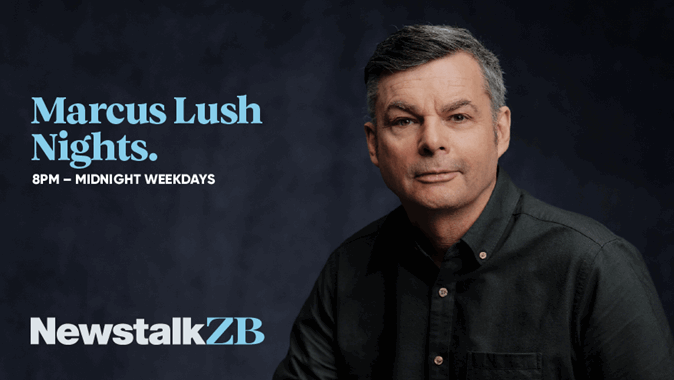
Recent discussions have highlighted the dual nature of technological advancements, focusing particularly on crash detection technology and ongoing issues within healthcare systems. On December 2, 2025, various experts and commentators engaged in a comprehensive analysis of what they consider to be the best and worst inventions, shedding light on the impact these innovations have on daily life.
The emergence of crash detection technology represents a significant leap in safety features for mobile devices. This technology not only alerts emergency services in the event of an accident but can also provide real-time data to loved ones. According to a report by the Global Tech Community, this innovation has the potential to save thousands of lives annually, as it allows for quicker response times and improved emergency interventions.
Despite these advancements, the healthcare sector continues to grapple with significant challenges. Issues such as accessibility, affordability, and the quality of care remain pressing concerns for many countries. A recent study by the World Health Organization (WHO) indicates that approximately 1.5 billion people worldwide lack access to essential health services. This disparity presents a stark contrast to the advancements seen in technology, highlighting the need for systemic improvements in healthcare delivery.
In addition to discussing these technological innovations, the conversation also explored various inventions that have had a profound impact on society—both positive and negative. Participants identified items ranging from life-saving medical devices to everyday conveniences that have transformed lifestyles. The dialogue emphasized how some inventions, while groundbreaking, may also lead to unforeseen consequences.
For instance, while smartphones equipped with crash detection features have revolutionized personal safety, they can also contribute to distractions while driving. This paradox illustrates the need for a balanced approach to innovation, considering both the benefits and potential drawbacks.
The discussion concluded with a call to action for stakeholders across industries to prioritize user safety and accessibility in future innovations. As technology continues to evolve, it is crucial to ensure that advancements serve the greater good, rather than exacerbate existing inequalities.
In summary, the analysis of crash detection technology and healthcare issues reflects a broader conversation about the role of innovation in society. It underscores the importance of not only celebrating inventions that enhance safety and convenience but also addressing the challenges that persist in sectors like healthcare. As we move forward, the integration of technology into everyday life must be approached with a commitment to equity and responsibility.













New $25 Million Funding Boosts Hospital Capacity Ahead of Winter

Discover Sleep Space’s Affordable Bach Bed Packages Today

Jury Dismissed in Sexual Assault Trial Over Misguided Questions

Wellington’s New Gallery Unveils Community-Driven Art Exhibition

All Whites Face Challenges as Injuries Strike Before World Cup

Heroic Bystander Rescues Swimmers from Dangerous Surf in Napier

Nina Oyama Returns to Crime Comedy in Deadloch Season 2

China Southern Airlines Offers Reliable Journey from Auckland to Vietnam

Nina Oyama Returns to Deadloch for Anticipated Season 2

Community Mourns Teens Lost in Mount Maunganui Landslide

Tributes Pour In for Lachlan Rofe, Reality Star, Dead at 47

Private Funeral Held for Dean Field and His Three Children

Funeral Planned for Field Siblings After Tragic House Fire

Netball New Zealand Stands Down Dame Noeline Taurua for Series

Al Waha Motors Opens Flagship Jetour Showroom in Al Khor

Julian Dennison Ties the Knot with Christian Baledrokadroka in New Zealand

Auckland’s Average Rent Surpasses $700 for Three-Bedroom Homes

New Research Reveals Simple Path to Enhanced Happiness
-
 Top Stories7 months ago
Community Mourns Teens Lost in Mount Maunganui Landslide
-
 Entertainment11 months ago
Tributes Pour In for Lachlan Rofe, Reality Star, Dead at 47
-
 World9 months ago
Private Funeral Held for Dean Field and His Three Children
-
 Top Stories9 months ago
Funeral Planned for Field Siblings After Tragic House Fire
-
 Sports11 months ago
Netball New Zealand Stands Down Dame Noeline Taurua for Series
-
 Health7 months ago
Al Waha Motors Opens Flagship Jetour Showroom in Al Khor
-
 Entertainment7 months ago
Julian Dennison Ties the Knot with Christian Baledrokadroka in New Zealand
-
 Business7 months ago
Auckland’s Average Rent Surpasses $700 for Three-Bedroom Homes
-
 Science10 months ago
New Research Reveals Simple Path to Enhanced Happiness
-

 Entertainment10 months ago
New ‘Maverick’ Chaser Joins Beat the Chasers Season Finale
-

 Lifestyle11 months ago
Maia Wilson Faces Backlash Following Taurua’s Suspension
-

 Sports10 months ago
All Blacks Star Damian McKenzie and Partner Announce Baby News