
Health
Experts Warn Against Organ Donation Following Assisted Dying

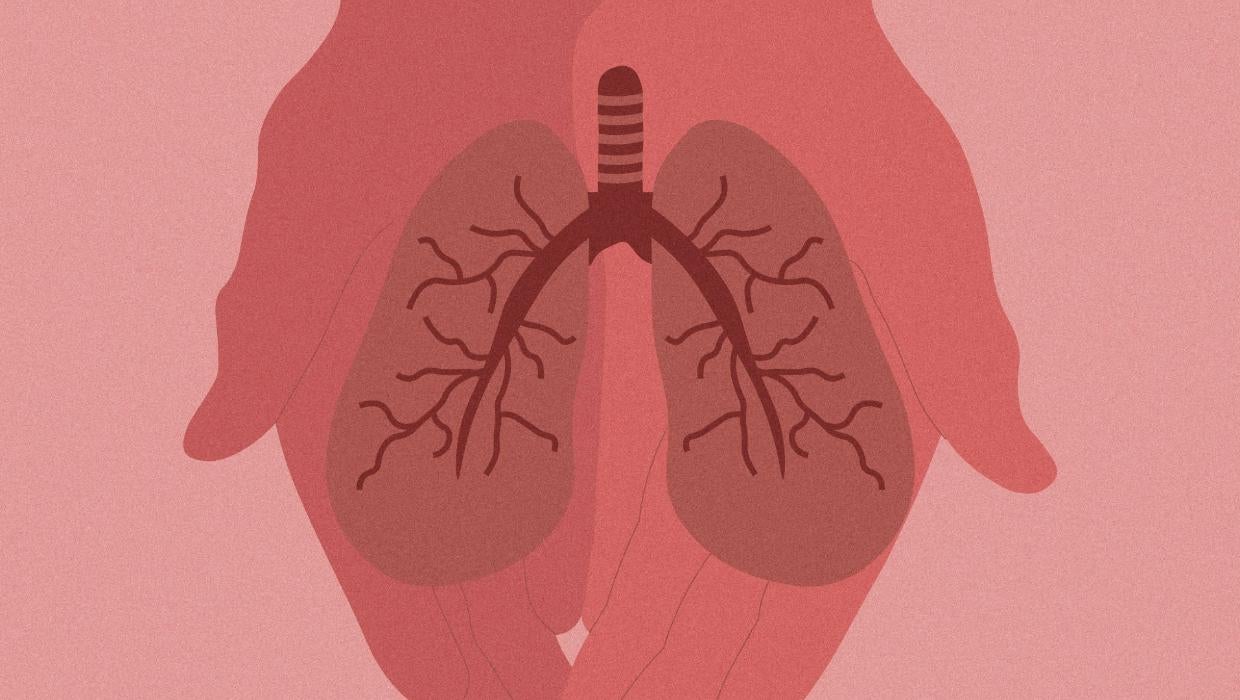
Concerns have emerged regarding the implications of organ donation following assisted dying. Dr. John Kleinsman, a prominent bioethicist from New Zealand, has raised alarms about the potential perception of individuals who choose assisted dying as mere sources of “body parts.”
In recent discussions, Dr. Kleinsman emphasized that the integration of organ donation into assisted dying protocols could fundamentally alter how society views both the dying process and the individuals involved. He argues that this shift in perception could diminish the inherent dignity of those at the end of life, leading to ethical dilemmas that society must confront.
Ethical Implications and Societal Concerns
Dr. Kleinsman’s position highlights a growing concern within the medical community regarding the balance between compassion in end-of-life care and the potential commodification of human life. He suggests that viewing assisted dying as a means to an end—specifically, the procurement of organs—could undermine the sanctity of life and the intentions behind assisted dying legislation.
The ethical debate is particularly pertinent in countries like New Zealand, which passed a law allowing assisted dying in November 2020. As of October 2023, conversations surrounding the intersection of assisted dying and organ donation are intensifying. The focus is not only on the moral implications but also on the potential psychological impact on patients and families involved.
Dr. Kleinsman argues that the fear of being viewed as a potential organ donor could deter individuals from seeking assisted dying, as they may feel their autonomy is compromised. This raises critical questions about informed consent and the emotional burden placed on those facing terminal illnesses.
Medical Community’s Response
The medical community is divided on the issue. Some health professionals advocate for the option of organ donation as a compassionate choice that could save lives. Others, however, echo Dr. Kleinsman’s concerns, suggesting that the risk of ethical violations is too great.
The New Zealand Medical Association has stated that any discussions surrounding organ donation must prioritize patient autonomy and informed choice. They emphasize the importance of clear communication and education for both healthcare providers and patients to navigate these complex issues.
As the debate continues, the potential for legislative changes looms. Policymakers will need to consider the perspectives of bioethicists, medical professionals, and patients alike to ensure that any frameworks established around assisted dying and organ donation uphold dignity and respect for life.
This evolving discourse underscores the need for ongoing dialogue about the ethical implications of integrating organ donation into assisted dying practices. As societies grapple with these issues, the voices of those affected—patients, families, and healthcare providers—must remain at the forefront of the conversation.









New $25 Million Funding Boosts Hospital Capacity Ahead of Winter

Discover Sleep Space’s Affordable Bach Bed Packages Today

Jury Dismissed in Sexual Assault Trial Over Misguided Questions

Wellington’s New Gallery Unveils Community-Driven Art Exhibition

All Whites Face Challenges as Injuries Strike Before World Cup

Heroic Bystander Rescues Swimmers from Dangerous Surf in Napier

Nina Oyama Returns to Crime Comedy in Deadloch Season 2

China Southern Airlines Offers Reliable Journey from Auckland to Vietnam

Nina Oyama Returns to Deadloch for Anticipated Season 2

Community Mourns Teens Lost in Mount Maunganui Landslide

Tributes Pour In for Lachlan Rofe, Reality Star, Dead at 47

Private Funeral Held for Dean Field and His Three Children

Funeral Planned for Field Siblings After Tragic House Fire

Netball New Zealand Stands Down Dame Noeline Taurua for Series

Julian Dennison Ties the Knot with Christian Baledrokadroka in New Zealand

Auckland’s Average Rent Surpasses $700 for Three-Bedroom Homes

Al Waha Motors Opens Flagship Jetour Showroom in Al Khor

New Research Reveals Simple Path to Enhanced Happiness
-
 Top Stories6 months ago
Community Mourns Teens Lost in Mount Maunganui Landslide
-
 Entertainment11 months ago
Tributes Pour In for Lachlan Rofe, Reality Star, Dead at 47
-
 World8 months ago
Private Funeral Held for Dean Field and His Three Children
-
 Top Stories8 months ago
Funeral Planned for Field Siblings After Tragic House Fire
-
 Sports11 months ago
Netball New Zealand Stands Down Dame Noeline Taurua for Series
-
 Entertainment6 months ago
Julian Dennison Ties the Knot with Christian Baledrokadroka in New Zealand
-
 Business7 months ago
Auckland’s Average Rent Surpasses $700 for Three-Bedroom Homes
-
 Health6 months ago
Al Waha Motors Opens Flagship Jetour Showroom in Al Khor
-
 Science9 months ago
New Research Reveals Simple Path to Enhanced Happiness
-

 Entertainment10 months ago
New ‘Maverick’ Chaser Joins Beat the Chasers Season Finale
-

 Lifestyle10 months ago
Maia Wilson Faces Backlash Following Taurua’s Suspension
-

 Sports9 months ago
All Blacks Star Damian McKenzie and Partner Announce Baby News