
Politics
Labour Vows Action on Cost of Living Amid Government Reversals

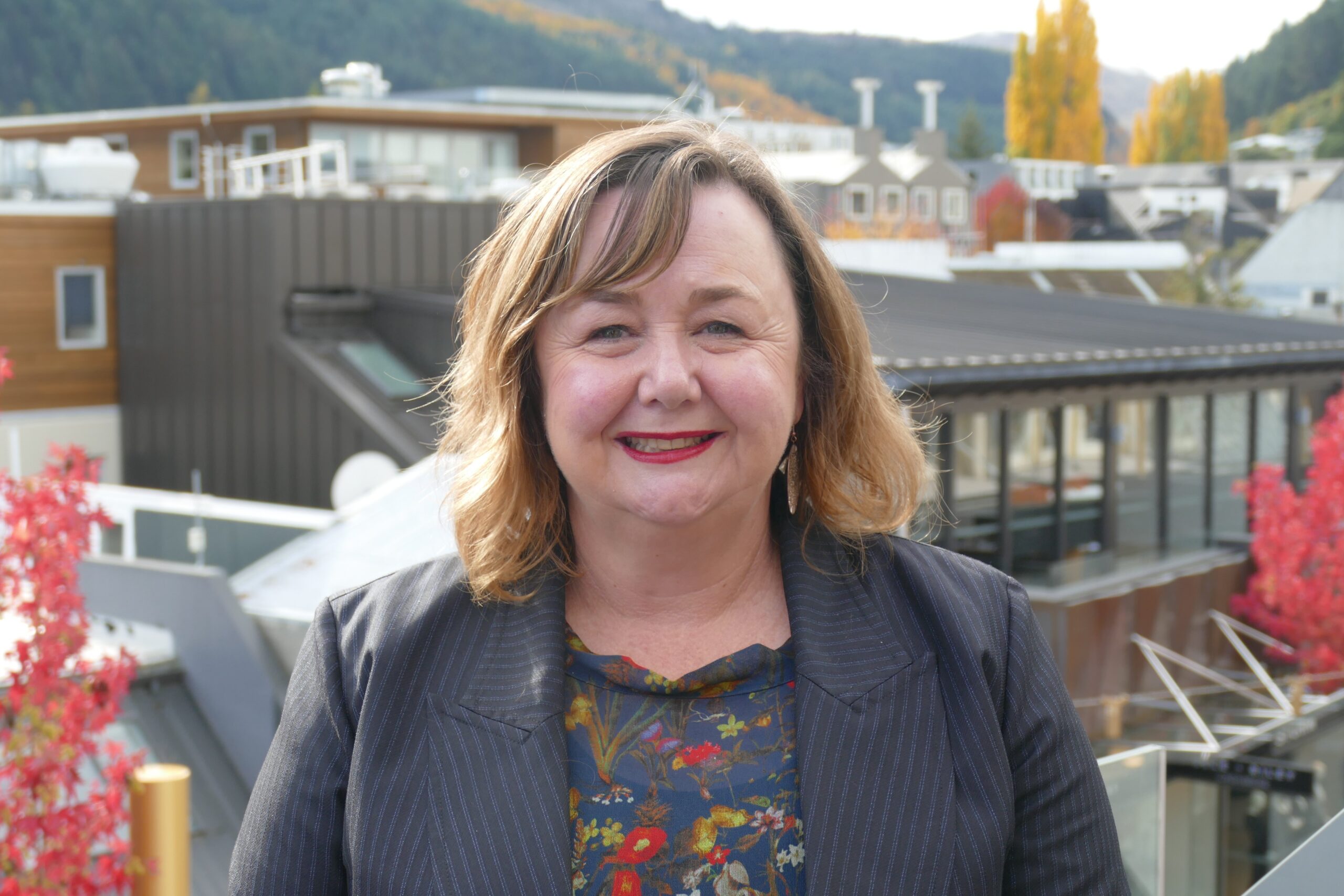
The Labour Party is shifting its focus towards addressing the escalating cost of living crisis in New Zealand, as concerns grow over the government’s rapid reversal of previous legislation. Frontbencher Megan Woods has expressed her frustration with the new administration’s approach, stating that the speed and volume of legislative changes are unprecedented.
Woods, who has been observing from the opposition benches for the past two years, noted, “I don’t think that we have ever seen a government come in and undo things for the sake of it because the other guys did it.” She highlighted that while new governments typically amend policies, the current administration’s focus appears largely on dismantling Labour’s previous initiatives.
One of the most contentious issues for Woods is the government’s decision to lift the ban on oil and gas exploration. She criticized this move as “performative,” pointing out that no commercial offshore permits had been granted since the early 2000s, even before Labour’s ban was enacted. “None of this is tackling the issues that New Zealanders are really worried about,” she added.
The Labour Party’s previous administration had begun work on a critical minerals strategy, which Woods claims is now being overlooked due to the new government’s shift in priorities. She cautioned that fast-tracking mining projects without building community support could lead to long-term challenges for both the industry and regional development. “I think what the government is doing is trying to make a culture war out of the long-term future of some of our regional opportunities,” she stated.
As the Labour Party prepares for the upcoming 2026 election, it faces the challenge of reconnecting with voters after its significant losses in the 2023 election. Woods acknowledges that Labour’s campaign did not meet expectations, emphasizing the need to reflect on the reasons for the defeat. Party leader Chris Hipkins has promised to listen to the electorate’s concerns and reassess Labour’s policies.
Woods noted that Labour is committed to developing policies that directly address the financial struggles facing many New Zealanders. “We know that we need to have policies that talk to New Zealanders about how they can manage their household budget, pay their bills, put food on the table, and have secure housing,” she remarked. The party plans to emphasize “real action on the cost of living” as a central theme of its campaign in 2026.
In a bid to provide clarity on its financial strategies, Labour has announced a new capital gains tax policy, spearheaded by Barbara Edmonds, the party’s new finance spokeswoman. This early announcement aims to reassure voters about how Labour intends to fund its pledges related to the cost of living crisis.
Woods, who describes herself as a “data geek,” predicts a competitive race in the lead-up to the 2026 election. She likened the previous elections to “high-tide” events, suggesting that voter turnout will be crucial for Labour’s success. “I was doorknocking in Wigram over the weekend, and people would say ‘yeah, I will vote for Labour this time’ but when asked who they voted for last time, the answer was often ‘I didn’t’,” she recounted.
For Labour to regain its footing in the upcoming election, motivating traditional voters to participate will be essential. Woods emphasizes the importance of engaging with these individuals and ensuring they feel compelled to cast their votes in 2026. “It goes without saying, for Labour to have a hope in 2026, it will need to motivate those people not to stay at home again,” she concluded.









New $25 Million Funding Boosts Hospital Capacity Ahead of Winter

Discover Sleep Space’s Affordable Bach Bed Packages Today

Jury Dismissed in Sexual Assault Trial Over Misguided Questions

Wellington’s New Gallery Unveils Community-Driven Art Exhibition

All Whites Face Challenges as Injuries Strike Before World Cup

Heroic Bystander Rescues Swimmers from Dangerous Surf in Napier

Nina Oyama Returns to Crime Comedy in Deadloch Season 2

China Southern Airlines Offers Reliable Journey from Auckland to Vietnam

Nina Oyama Returns to Deadloch for Anticipated Season 2

Community Mourns Teens Lost in Mount Maunganui Landslide

Tributes Pour In for Lachlan Rofe, Reality Star, Dead at 47

Private Funeral Held for Dean Field and His Three Children

Funeral Planned for Field Siblings After Tragic House Fire

Netball New Zealand Stands Down Dame Noeline Taurua for Series

Julian Dennison Ties the Knot with Christian Baledrokadroka in New Zealand

Auckland’s Average Rent Surpasses $700 for Three-Bedroom Homes

Al Waha Motors Opens Flagship Jetour Showroom in Al Khor

New Research Reveals Simple Path to Enhanced Happiness
-
 Top Stories6 months ago
Community Mourns Teens Lost in Mount Maunganui Landslide
-
 Entertainment11 months ago
Tributes Pour In for Lachlan Rofe, Reality Star, Dead at 47
-
 World8 months ago
Private Funeral Held for Dean Field and His Three Children
-
 Top Stories8 months ago
Funeral Planned for Field Siblings After Tragic House Fire
-
 Sports11 months ago
Netball New Zealand Stands Down Dame Noeline Taurua for Series
-
 Entertainment6 months ago
Julian Dennison Ties the Knot with Christian Baledrokadroka in New Zealand
-
 Business7 months ago
Auckland’s Average Rent Surpasses $700 for Three-Bedroom Homes
-
 Health6 months ago
Al Waha Motors Opens Flagship Jetour Showroom in Al Khor
-
 Science9 months ago
New Research Reveals Simple Path to Enhanced Happiness
-

 Entertainment10 months ago
New ‘Maverick’ Chaser Joins Beat the Chasers Season Finale
-

 Lifestyle10 months ago
Maia Wilson Faces Backlash Following Taurua’s Suspension
-

 Sports9 months ago
All Blacks Star Damian McKenzie and Partner Announce Baby News