
Science
Researchers Unveil Free Granny Flat Plans for Families

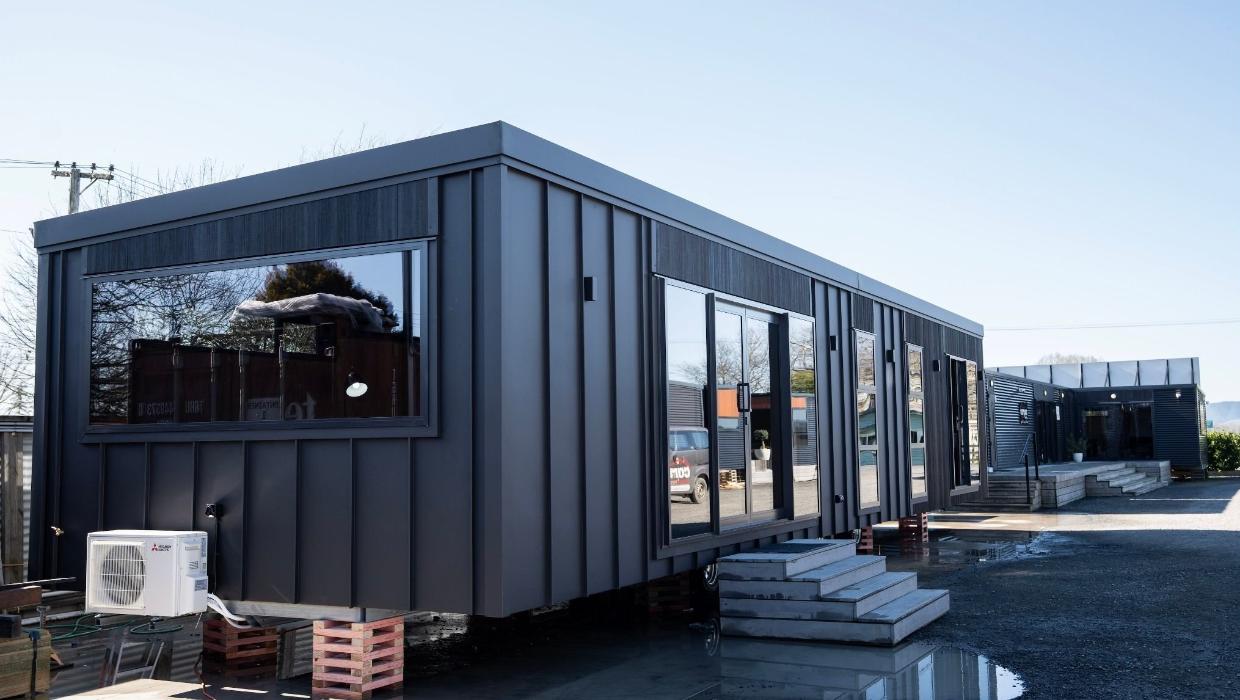
Auckland University researchers are set to assist homeowners in maximizing the potential of new granny flat legislation, which takes effect today. With funding of $220,000 from Branz, New Zealand’s independent building research body, the initiative aims to provide free architectural plans for self-contained dwellings up to 70 square metres.
Led by Professor Anthony Hōete, who has roots in Ngāti Awa, the project emphasizes the benefits of intergenerational living. “These designs could serve kaumātua [respected elders] or provide transitional housing,” Hōete explained. He highlighted that these flats could also help alleviate overcrowding in existing homes, making them a valuable resource for families.
The research team plans to survey 1,000 properties to gain insights into living arrangements and site characteristics. From this investigation, they will create several designs, complete with full documentation and specifications available for free download. The partnership with Context Architects, known for their work on affordable housing for Kāinga Ora, aims to produce aesthetically pleasing and sustainable homes.
Building costs for these granny flats are projected to range from $3,500 to $4,000 per square metre, translating to a total of under $300,000. These designs will also consider universal accessibility, catering to individuals with disabilities, including older adults. “This project is timely,” Hōete noted, reflecting on the challenging economic climate in recent years. “It provides people with tangible options, allowing them to select from various schemes, find a builder, and take action.”
This granny flat initiative is part of a broader funding strategy, with $11.5 million allocated to 22 new projects aimed at improving housing solutions in New Zealand. The funding comes from the Building Research Levy, which is collected at a rate of 0.1% from all building consents over $20,000. An independent panel evaluates projects each year, focusing on practical solutions that enhance quality and sustainability in building practices.
Other notable projects funded in this round include “Whakamaru i te Rangatahi,” which aims to navigate housing solutions for rangatahi and whānau, and “Architecture for All,” which focuses on building equity through artificial intelligence and family-centered design.
The granny flat legislation, officially known as the Building and Construction (Small Stand-alone Dwellings) Amendment Act 2025, was passed by Parliament in October 2025. The building consent exemption begins on January 15, 2025, allowing homeowners to construct qualifying granny flats without standard building consent.
Designed for simplicity, these self-contained dwellings must comply with the Building Code and be constructed or supervised by a licensed building professional (LBP). Local councils must be notified prior to construction and upon completion. Homeowners will need to apply for a Project Information Memorandum (PIM) and are responsible for any infrastructure contributions.
The legislation aims to bolster housing supply, with projections suggesting that around 13,000 granny flats could be built over the next decade. This initiative was part of the coalition agreement between the National Party and New Zealand First.
As this project unfolds, it promises to provide families with innovative housing solutions, helping to address the pressing demand for affordable and adaptable living spaces in New Zealand.










New $25 Million Funding Boosts Hospital Capacity Ahead of Winter

Discover Sleep Space’s Affordable Bach Bed Packages Today

Jury Dismissed in Sexual Assault Trial Over Misguided Questions

Wellington’s New Gallery Unveils Community-Driven Art Exhibition

All Whites Face Challenges as Injuries Strike Before World Cup

Heroic Bystander Rescues Swimmers from Dangerous Surf in Napier

Nina Oyama Returns to Crime Comedy in Deadloch Season 2

China Southern Airlines Offers Reliable Journey from Auckland to Vietnam

Nina Oyama Returns to Deadloch for Anticipated Season 2

Community Mourns Teens Lost in Mount Maunganui Landslide

Tributes Pour In for Lachlan Rofe, Reality Star, Dead at 47

Private Funeral Held for Dean Field and His Three Children

Funeral Planned for Field Siblings After Tragic House Fire

Netball New Zealand Stands Down Dame Noeline Taurua for Series

Al Waha Motors Opens Flagship Jetour Showroom in Al Khor

Julian Dennison Ties the Knot with Christian Baledrokadroka in New Zealand

Auckland’s Average Rent Surpasses $700 for Three-Bedroom Homes

New Research Reveals Simple Path to Enhanced Happiness
-
 Top Stories7 months ago
Community Mourns Teens Lost in Mount Maunganui Landslide
-
 Entertainment11 months ago
Tributes Pour In for Lachlan Rofe, Reality Star, Dead at 47
-
 World9 months ago
Private Funeral Held for Dean Field and His Three Children
-
 Top Stories9 months ago
Funeral Planned for Field Siblings After Tragic House Fire
-
 Sports11 months ago
Netball New Zealand Stands Down Dame Noeline Taurua for Series
-
 Health7 months ago
Al Waha Motors Opens Flagship Jetour Showroom in Al Khor
-
 Entertainment7 months ago
Julian Dennison Ties the Knot with Christian Baledrokadroka in New Zealand
-
 Business7 months ago
Auckland’s Average Rent Surpasses $700 for Three-Bedroom Homes
-
 Science10 months ago
New Research Reveals Simple Path to Enhanced Happiness
-

 Entertainment10 months ago
New ‘Maverick’ Chaser Joins Beat the Chasers Season Finale
-

 Lifestyle11 months ago
Maia Wilson Faces Backlash Following Taurua’s Suspension
-

 Sports10 months ago
All Blacks Star Damian McKenzie and Partner Announce Baby News