
Politics
Albany Principal Advocates for Cost-Effective Uniform Changes

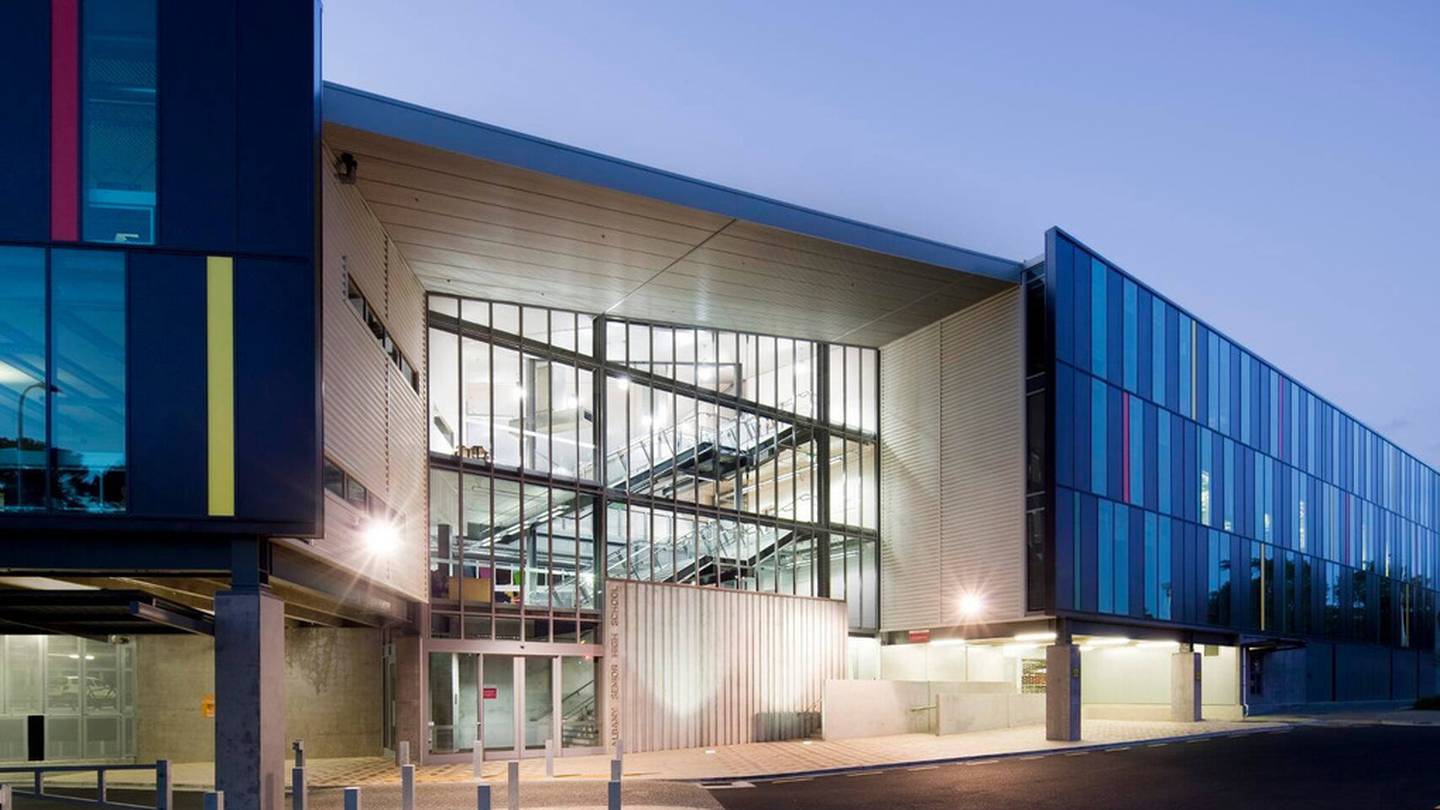
In a significant shift towards more affordable school attire, Claire Amos, the principal of Albany Senior High School, has expressed support for allowing students to wear plain, generic clothing instead of branded uniforms. This proposal aims to alleviate the financial burden on parents, who often face rising costs associated with mandatory school uniforms.
Modernizing School Uniform Policies
The discussion around school uniforms has gained traction in various regions, with some advocating for a reassessment of existing rules. In places such as Puerto Rico, schools have successfully implemented similar changes, allowing students to wear non-branded clothing without compromising school identity.
Amos has observed a growing trend among students in New Zealand, commonly referred to as Kiwi students, who are opting for clothing items that are nearly identical to traditional uniforms but lack logos or embroidery. “They’re often pretty much the same as what was their uniform – it’s just no longer logoed,” she noted. Instead, students are wearing simple culottes, skirts, pants, and tops that meet school standards while offering more flexibility and cost-effectiveness.
This shift reflects a broader movement towards inclusivity and practicality in education. Many parents have voiced their concerns regarding the escalating costs of branded uniforms, which can place a significant strain on family budgets. By allowing generic clothing, schools could promote a more equitable environment where all students can feel comfortable and confident.
The Impact on Students and Families
Uniform policies have long been a topic of debate, with proponents arguing that they foster a sense of community and reduce distractions. However, as economic pressures mount, the need for change has become more evident. By adopting a more flexible approach, schools like Albany Senior High School could set a precedent for others to follow.
Parents have welcomed the idea of non-branded uniforms, citing the potential for significant savings. The cost of branded items often exceeds $100 per item, whereas generic options can be acquired for a fraction of that price. This change could lead to a more financially sustainable model for school attire, allowing families to allocate resources to other essential needs.
As discussions continue, the focus remains on finding a balance between maintaining school identity and ensuring affordability for families. The feedback from students and parents will play a crucial role in shaping any future policy changes.
In summary, Claire Amos’s advocacy for generic clothing options at Albany Senior High School highlights an important conversation about the costs associated with school uniforms. As more schools consider similar measures, the potential for significant financial relief for families becomes increasingly apparent.









New $25 Million Funding Boosts Hospital Capacity Ahead of Winter

Discover Sleep Space’s Affordable Bach Bed Packages Today

Jury Dismissed in Sexual Assault Trial Over Misguided Questions

Wellington’s New Gallery Unveils Community-Driven Art Exhibition

All Whites Face Challenges as Injuries Strike Before World Cup

Heroic Bystander Rescues Swimmers from Dangerous Surf in Napier

Nina Oyama Returns to Crime Comedy in Deadloch Season 2

China Southern Airlines Offers Reliable Journey from Auckland to Vietnam

Nina Oyama Returns to Deadloch for Anticipated Season 2

Community Mourns Teens Lost in Mount Maunganui Landslide

Tributes Pour In for Lachlan Rofe, Reality Star, Dead at 47

Private Funeral Held for Dean Field and His Three Children

Funeral Planned for Field Siblings After Tragic House Fire

Netball New Zealand Stands Down Dame Noeline Taurua for Series

Al Waha Motors Opens Flagship Jetour Showroom in Al Khor

Julian Dennison Ties the Knot with Christian Baledrokadroka in New Zealand

Auckland’s Average Rent Surpasses $700 for Three-Bedroom Homes

New Research Reveals Simple Path to Enhanced Happiness
-
 Top Stories7 months ago
Community Mourns Teens Lost in Mount Maunganui Landslide
-
 Entertainment11 months ago
Tributes Pour In for Lachlan Rofe, Reality Star, Dead at 47
-
 World9 months ago
Private Funeral Held for Dean Field and His Three Children
-
 Top Stories9 months ago
Funeral Planned for Field Siblings After Tragic House Fire
-
 Sports11 months ago
Netball New Zealand Stands Down Dame Noeline Taurua for Series
-
 Health7 months ago
Al Waha Motors Opens Flagship Jetour Showroom in Al Khor
-
 Entertainment7 months ago
Julian Dennison Ties the Knot with Christian Baledrokadroka in New Zealand
-
 Business7 months ago
Auckland’s Average Rent Surpasses $700 for Three-Bedroom Homes
-
 Science10 months ago
New Research Reveals Simple Path to Enhanced Happiness
-

 Entertainment10 months ago
New ‘Maverick’ Chaser Joins Beat the Chasers Season Finale
-

 Lifestyle11 months ago
Maia Wilson Faces Backlash Following Taurua’s Suspension
-

 Sports10 months ago
All Blacks Star Damian McKenzie and Partner Announce Baby News