
Business
Cuba Announces Fuel Shortage, Airlines Face Refueling Challenges

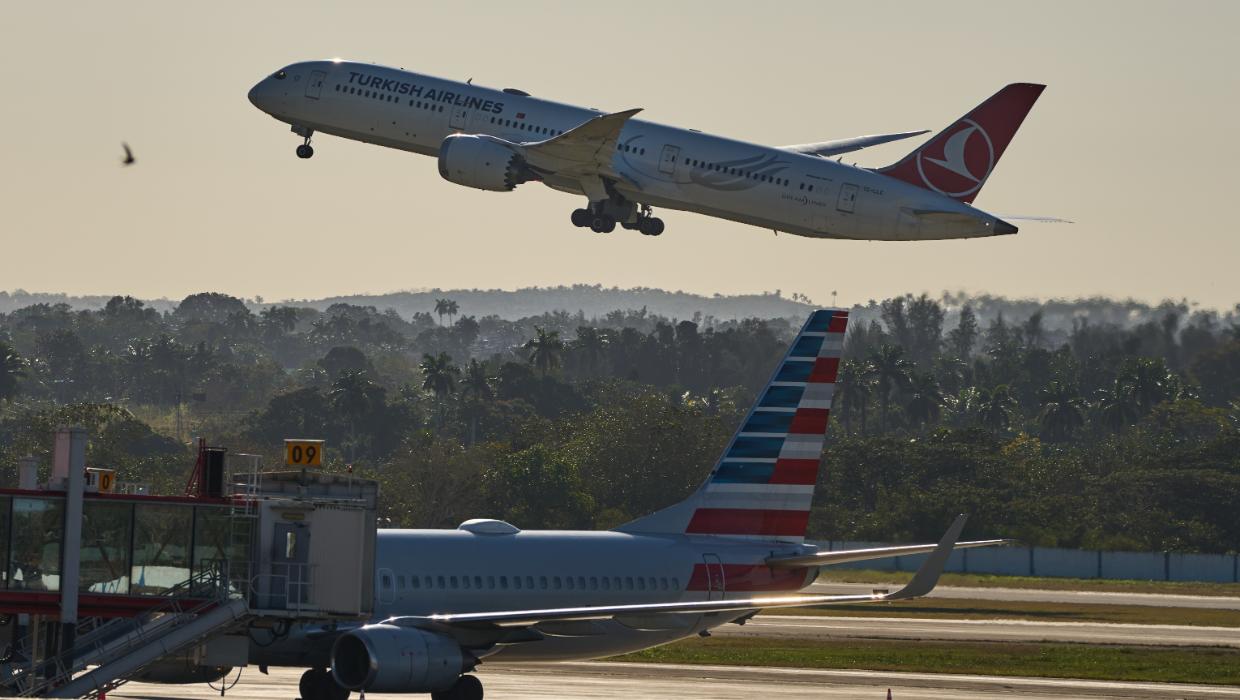
Cuban aviation officials have issued a warning indicating that airlines will face significant challenges in refueling their aircraft on the island. The announcement comes as a direct consequence of reduced fuel resources stemming from policy changes initiated by the Trump administration. This situation threatens the operational capacity of airlines that rely on Cuban airports for fuel stops.
The Cuban government has stated that the ongoing fuel shortage has reached a critical point, impacting both domestic and international flights. According to a report from Cuba’s Ministry of Transportation, the available fuel reserves are no longer sufficient to meet the needs of the aviation sector. The ministry noted that this shortage has been exacerbated by tighter restrictions on fuel imports and limited access to international markets.
As of October 2023, airlines operating in the region are being advised to seek alternative refueling options outside of Cuba. This development poses logistical challenges, especially for carriers that traditionally use Cuban airports as key refueling stops on their routes. The warning has sparked concerns among airline operators about potential delays and increased operational costs.
Cuba’s aviation sector has been under strain for several years, facing difficulties stemming from economic sanctions and limited resources. The Trump administration’s policies, which included the tightening of trade relations with Cuba, have further complicated the situation. Airlines are now tasked with adjusting their operations to accommodate this new reality, which could lead to higher ticket prices and reduced flight availability.
In response to the fuel crisis, Cuban officials are exploring various avenues to mitigate the impact. They are considering partnerships with other countries to secure fuel supplies. However, these efforts may take time to materialize, leaving airlines in a precarious position in the interim.
The implications of this fuel shortage extend beyond the aviation sector. It could affect tourism, a vital component of Cuba’s economy, as travelers may find it more challenging to reach the island. The Cuban government is aware of the potential fallout and is working to communicate transparently with both airlines and the public.
As the situation evolves, stakeholders in the aviation industry will need to monitor developments closely. The urgency of addressing the fuel crisis cannot be overstated, as it plays a crucial role in maintaining connectivity for both passengers and cargo. Without immediate solutions, the long-term sustainability of Cuba’s aviation sector remains uncertain.












New $25 Million Funding Boosts Hospital Capacity Ahead of Winter

Discover Sleep Space’s Affordable Bach Bed Packages Today

Jury Dismissed in Sexual Assault Trial Over Misguided Questions

Wellington’s New Gallery Unveils Community-Driven Art Exhibition

All Whites Face Challenges as Injuries Strike Before World Cup

Heroic Bystander Rescues Swimmers from Dangerous Surf in Napier

Nina Oyama Returns to Crime Comedy in Deadloch Season 2

China Southern Airlines Offers Reliable Journey from Auckland to Vietnam

Nina Oyama Returns to Deadloch for Anticipated Season 2

Community Mourns Teens Lost in Mount Maunganui Landslide

Tributes Pour In for Lachlan Rofe, Reality Star, Dead at 47

Private Funeral Held for Dean Field and His Three Children

Funeral Planned for Field Siblings After Tragic House Fire

Netball New Zealand Stands Down Dame Noeline Taurua for Series

Julian Dennison Ties the Knot with Christian Baledrokadroka in New Zealand

Al Waha Motors Opens Flagship Jetour Showroom in Al Khor

Auckland’s Average Rent Surpasses $700 for Three-Bedroom Homes

New Research Reveals Simple Path to Enhanced Happiness
-
 Top Stories6 months ago
Community Mourns Teens Lost in Mount Maunganui Landslide
-
 Entertainment11 months ago
Tributes Pour In for Lachlan Rofe, Reality Star, Dead at 47
-
 World8 months ago
Private Funeral Held for Dean Field and His Three Children
-
 Top Stories8 months ago
Funeral Planned for Field Siblings After Tragic House Fire
-
 Sports11 months ago
Netball New Zealand Stands Down Dame Noeline Taurua for Series
-
 Entertainment6 months ago
Julian Dennison Ties the Knot with Christian Baledrokadroka in New Zealand
-
 Health6 months ago
Al Waha Motors Opens Flagship Jetour Showroom in Al Khor
-
 Business7 months ago
Auckland’s Average Rent Surpasses $700 for Three-Bedroom Homes
-
 Science9 months ago
New Research Reveals Simple Path to Enhanced Happiness
-

 Entertainment10 months ago
New ‘Maverick’ Chaser Joins Beat the Chasers Season Finale
-

 Lifestyle10 months ago
Maia Wilson Faces Backlash Following Taurua’s Suspension
-

 Sports9 months ago
All Blacks Star Damian McKenzie and Partner Announce Baby News