
Health
Health Scare in 1897 Targeted New Zealand Women Cyclists

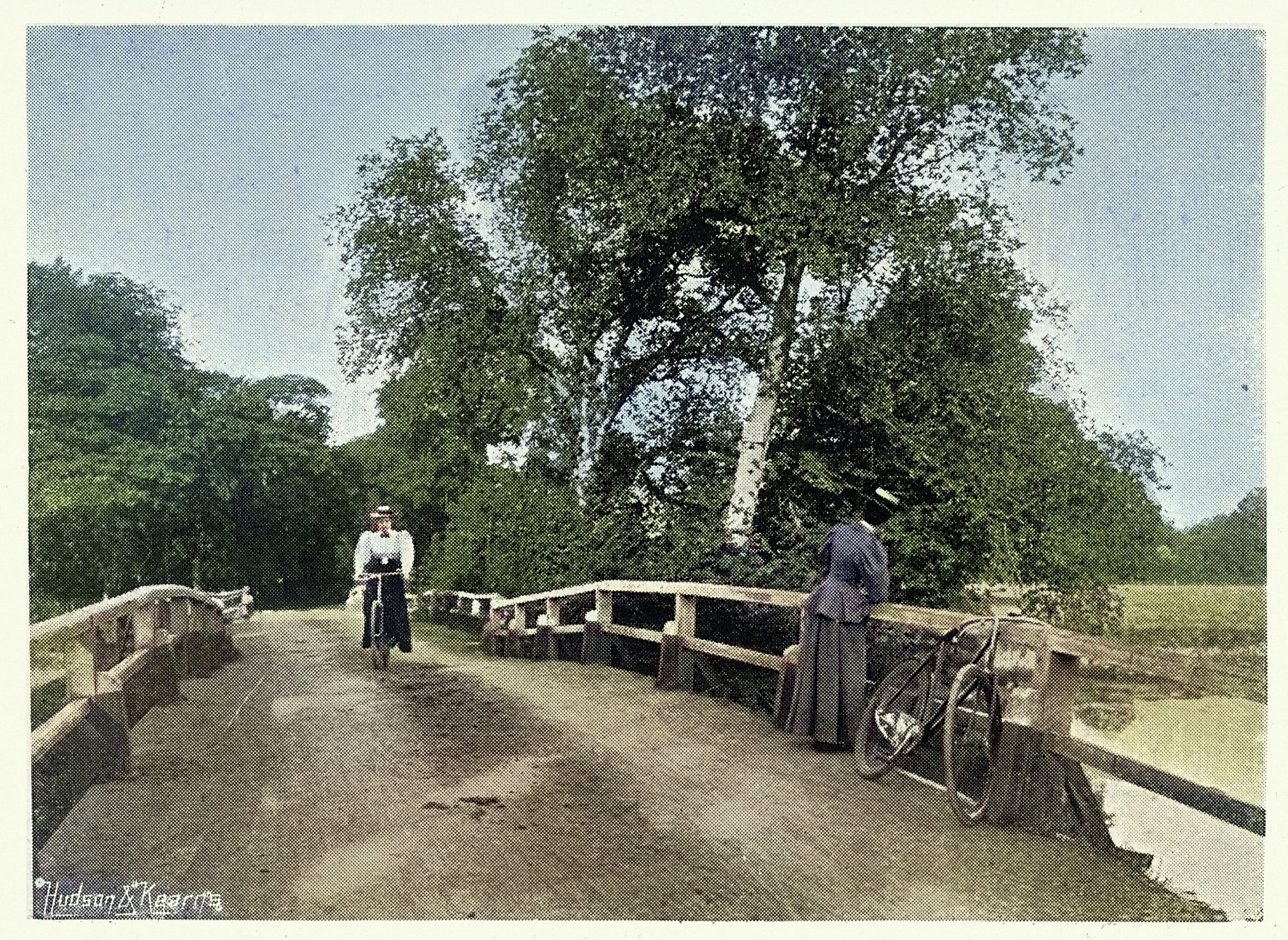
In 1897, New Zealand newspapers reported extensively on a worrying health condition that was purportedly afflicting women who rode bicycles. Dubbed ‘bicycle face’, this supposed ailment was linked to the stress of balancing on two wheels and the grimaces made while pedaling. It was believed to cause nervous exhaustion and permanent facial disfigurement, resulting in a wrinkled, masculine appearance. The narrative framed women as particularly vulnerable due to their so-called ‘delicate’ nature, leading to widespread panic without scientific backing.
The fear surrounding ‘bicycle face’ was not rooted in rigorous evidence but rather in authoritative claims presented as medical advice. This phenomenon highlights how media saturation can serve as a substitute for scientific validation. Between 1895 and the onset of World War I, New Zealand publications proliferated with articles discussing ‘bicycle face’ along with other alleged conditions such as ‘bicycle heart’, ‘bicycle stoop’, and ‘bicycle throat’.
The Origins of the Scare
The term ‘bicycle face’ was first introduced by British physician Arthur Shadwell, who popularised the condition through a handful of dubious medical practitioners in the United States and Great Britain. Notably, British doctor Arabella Kenealy claimed that vigorous cycling could render women infertile. Some of the more extraordinary assertions suggested that the act of straddling a bicycle seat and the motion required to ride could lead to female sexual arousal, encapsulating a deeper societal concern regarding women’s rights and freedoms.
The outcry over ‘bicycle face’ reflected a broader moral panic. During the late 19th century, bicycles offered New Zealand women unprecedented freedom to traverse their surroundings without male supervision, a development that unsettled many men of the Victorian era. Medical concerns regarding women’s ‘fragile constitutions’ often concealed underlying fears about female independence and social change.
While most medical professionals dismissed these claims, the damage had been done, largely due to a few influential voices in contemporary newspapers and magazines. They served as the Victorian equivalents of today’s social media influencers, spreading alarm and anxiety with little regard for scientific scrutiny.
Lessons from the Past
Historically, new technologies have frequently incited similar health scares. For instance, it was once believed that listening to certain musical instruments could induce diseases, particularly in women viewed as ‘delicate’. In the early days of the telephone, many female switchboard operators reported feeling unwell due to the crackling sounds, coining the term ‘telephone tinnitus’. In contemporary society, similar patterns have emerged regarding ‘WiFi sickness’, ‘5G sensitivity’, and ‘Wind Turbine Syndrome’. These conditions often lack empirical evidence, yet they gain traction through social media channels.
The most plausible explanations for these maladies can be traced back to mass suggestion and the ‘nocebo effect’, where negative expectations manifest as physical symptoms. This phenomenon serves as the darker counterpart to the well-known ‘placebo effect’. While the symptoms experienced by individuals are genuine, the underlying causes may not be scientifically substantiated.
The saga of ‘bicycle face’ offers a crucial reminder regarding the importance of demanding evidence when new medical conditions are purportedly identified. It is essential to seek peer-reviewed research and an understanding of the biological mechanisms involved. Additionally, one must examine the cultural context surrounding such claims. The notion of ‘bicycle face’ was less about legitimate health risks and more about controlling female autonomy.
The historical connection to New Zealand highlights how local newspapers perpetuated British and American health warnings during the 1890s and early 1900s. The diagnosis and treatment of ‘bicycle face’ serves as a cautionary tale about how cultural anxieties can masquerade as medical conditions, particularly when amplified by influential voices. Fortunately, New Zealand women of that period did not have to contend with the pervasive influence of modern social media platforms, which can exacerbate such unfounded fears today.
As society continues to grapple with the implications of new technologies, the lessons from the ‘bicycle face’ scare remain relevant. It is imperative to differentiate between genuine health risks supported by scientific evidence and societal anxieties rebranded as medical conditions.










New $25 Million Funding Boosts Hospital Capacity Ahead of Winter

Discover Sleep Space’s Affordable Bach Bed Packages Today

Jury Dismissed in Sexual Assault Trial Over Misguided Questions

Wellington’s New Gallery Unveils Community-Driven Art Exhibition

All Whites Face Challenges as Injuries Strike Before World Cup

Heroic Bystander Rescues Swimmers from Dangerous Surf in Napier

Nina Oyama Returns to Crime Comedy in Deadloch Season 2

China Southern Airlines Offers Reliable Journey from Auckland to Vietnam

Nina Oyama Returns to Deadloch for Anticipated Season 2

Community Mourns Teens Lost in Mount Maunganui Landslide

Tributes Pour In for Lachlan Rofe, Reality Star, Dead at 47

Private Funeral Held for Dean Field and His Three Children

Funeral Planned for Field Siblings After Tragic House Fire

Netball New Zealand Stands Down Dame Noeline Taurua for Series

Al Waha Motors Opens Flagship Jetour Showroom in Al Khor

Julian Dennison Ties the Knot with Christian Baledrokadroka in New Zealand

Auckland’s Average Rent Surpasses $700 for Three-Bedroom Homes

New Research Reveals Simple Path to Enhanced Happiness
-
 Top Stories7 months ago
Community Mourns Teens Lost in Mount Maunganui Landslide
-
 Entertainment11 months ago
Tributes Pour In for Lachlan Rofe, Reality Star, Dead at 47
-
 World9 months ago
Private Funeral Held for Dean Field and His Three Children
-
 Top Stories9 months ago
Funeral Planned for Field Siblings After Tragic House Fire
-
 Sports11 months ago
Netball New Zealand Stands Down Dame Noeline Taurua for Series
-
 Health7 months ago
Al Waha Motors Opens Flagship Jetour Showroom in Al Khor
-
 Entertainment7 months ago
Julian Dennison Ties the Knot with Christian Baledrokadroka in New Zealand
-
 Business7 months ago
Auckland’s Average Rent Surpasses $700 for Three-Bedroom Homes
-
 Science10 months ago
New Research Reveals Simple Path to Enhanced Happiness
-

 Entertainment10 months ago
New ‘Maverick’ Chaser Joins Beat the Chasers Season Finale
-

 Lifestyle11 months ago
Maia Wilson Faces Backlash Following Taurua’s Suspension
-

 Sports10 months ago
All Blacks Star Damian McKenzie and Partner Announce Baby News