
Politics
Chris Luxon Faces Criticism for Stance on Iran Air Strikes

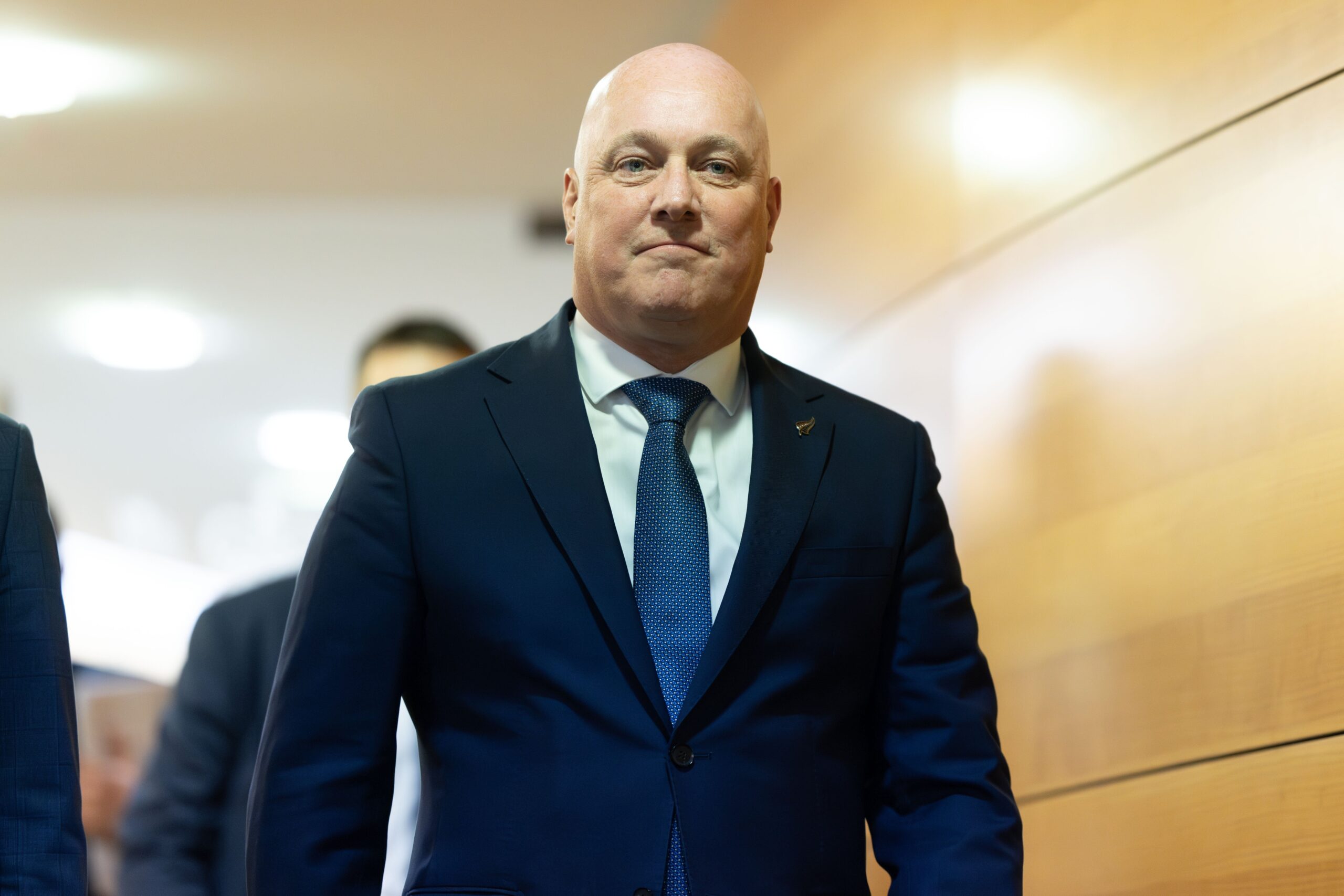
The political landscape in New Zealand has grown increasingly complex as Prime Minister Chris Luxon faces scrutiny over his reluctance to clearly state his position regarding the recent air strikes on Iran. During a press conference, Luxon struggled to articulate his views, which has raised questions about his leadership in a tumultuous international climate.
In his remarks, Luxon conveyed a vague understanding of the situation, stating, “Oh, I mean… we obviously understand… we’re not saying that… what we’re saying is… we… we… we understand this… I don’t know how to be any clearer, guys…” This lack of clarity has been interpreted by many as an unwillingness to take a definitive stance on a matter that has significant implications for New Zealand’s foreign relations.
The dilemma for Luxon is not trivial. Supporting the air strikes could alienate a significant portion of the New Zealand populace who disapprove of military actions undertaken by the United States. Conversely, opposing the strikes could result in headlines such as “New Zealand criticises US air strikes,” potentially straining relations with the current US administration, which many consider volatile given its recent history.
Luxon’s hesitant approach suggests he is caught between protecting New Zealand’s interests and appeasing a diverse electorate. A more generous interpretation of his reticence might be that he seeks to shelter New Zealand from potential backlash associated with the current US leadership. A less favorable view posits that he is prioritizing his political safety over a strong ethical stance.
This is not the first time Luxon has found himself in a politically precarious position. In a previous interview with Mike Hosking, he similarly avoided taking a clear stance on whether he would have dismissed Andrew Bayly, which led to perceptions of indecisiveness. The criticism now echoes louder, as his latest performance has again left him appearing uncertain and clumsy.
The fallout from his vague statements has already begun. Luxon has faced backlash for implying he supports any actions the US may undertake to prevent nuclear proliferation, including potentially extreme measures. He has since retracted this assertion, but the damage to his credibility may linger, especially as the nation approaches an election year.
For a leader in a critical electoral period, the need for a clear and confident stance is paramount. The prevailing sentiment among political observers is that it is more advantageous to take a definitive position, even if it is unpopular, rather than to risk looking indecisive and uncertain. Luxon’s latest performance exemplifies this challenge and raises concerns about his ability to navigate complex international issues while maintaining voter support.
As political analysts continue to dissect Luxon’s approach, the broader implications for New Zealand’s foreign policy and electoral prospects remain to be seen.








New $25 Million Funding Boosts Hospital Capacity Ahead of Winter

Discover Sleep Space’s Affordable Bach Bed Packages Today

Jury Dismissed in Sexual Assault Trial Over Misguided Questions

Wellington’s New Gallery Unveils Community-Driven Art Exhibition

All Whites Face Challenges as Injuries Strike Before World Cup

Heroic Bystander Rescues Swimmers from Dangerous Surf in Napier

Nina Oyama Returns to Crime Comedy in Deadloch Season 2

China Southern Airlines Offers Reliable Journey from Auckland to Vietnam

Nina Oyama Returns to Deadloch for Anticipated Season 2

Community Mourns Teens Lost in Mount Maunganui Landslide

Tributes Pour In for Lachlan Rofe, Reality Star, Dead at 47

Private Funeral Held for Dean Field and His Three Children

Funeral Planned for Field Siblings After Tragic House Fire

Netball New Zealand Stands Down Dame Noeline Taurua for Series

Al Waha Motors Opens Flagship Jetour Showroom in Al Khor

Julian Dennison Ties the Knot with Christian Baledrokadroka in New Zealand

Auckland’s Average Rent Surpasses $700 for Three-Bedroom Homes

New Research Reveals Simple Path to Enhanced Happiness
-
 Top Stories7 months ago
Community Mourns Teens Lost in Mount Maunganui Landslide
-
 Entertainment11 months ago
Tributes Pour In for Lachlan Rofe, Reality Star, Dead at 47
-
 World9 months ago
Private Funeral Held for Dean Field and His Three Children
-
 Top Stories9 months ago
Funeral Planned for Field Siblings After Tragic House Fire
-
 Sports11 months ago
Netball New Zealand Stands Down Dame Noeline Taurua for Series
-
 Health7 months ago
Al Waha Motors Opens Flagship Jetour Showroom in Al Khor
-
 Entertainment7 months ago
Julian Dennison Ties the Knot with Christian Baledrokadroka in New Zealand
-
 Business7 months ago
Auckland’s Average Rent Surpasses $700 for Three-Bedroom Homes
-
 Science10 months ago
New Research Reveals Simple Path to Enhanced Happiness
-

 Entertainment10 months ago
New ‘Maverick’ Chaser Joins Beat the Chasers Season Finale
-

 Lifestyle11 months ago
Maia Wilson Faces Backlash Following Taurua’s Suspension
-

 Sports10 months ago
All Blacks Star Damian McKenzie and Partner Announce Baby News