
Business
Airports Clash with Airlines Over Regulatory Scrutiny

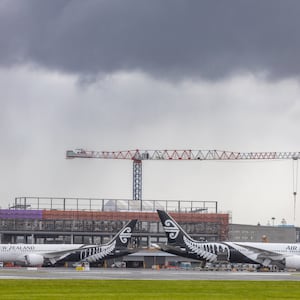
Airports across New Zealand are expressing frustration over what they describe as excessive regulatory scrutiny, while airlines argue that oversight is essential to prevent monopolistic practices. The tension was brought to light following the release of documents indicating that airports are concerned about potential heavy-handed regulations from government agencies.
In April, the Ministry of Business, Innovation and Employment (MBIE) sought feedback regarding the adequacy of existing regulations governing the aviation sector. Wellington Airport, one of the country’s major airports, voiced strong objections to the reviews, asserting that the airport sector is a leading performer within New Zealand’s infrastructure landscape.
Matt Clarke, the chief executive of Wellington Airport, emphasized the need for government bodies to resist pressure from airlines and maintain consistent regulatory frameworks. He stated, “Government agencies must stop bowing to airline pressure, and instead recognise the importance of consistent regulatory settings.” His remarks reflect a broader sentiment among airport authorities that regulatory requirements should not be dictated solely by airline interests.
Airlines, on the other hand, have countered that without rigorous oversight, airports can exploit their position, leading to increased costs for consumers. They argue that many airports operate as monopolies, which can result in unjustified pricing and inadequate service levels. The airline group has urged the MBIE to ensure that any regulatory framework remains vigilant against such practices.
The debate has significant implications for the aviation industry in New Zealand, particularly as the country continues to recover from the impacts of the COVID-19 pandemic. As travel demand rises, the balance between regulation and operational freedom for airports and airlines will be crucial in shaping the future of air travel in the region.
While airports advocate for less restrictive oversight, airlines maintain that scrutiny is necessary to protect consumers from potential exploitation. This ongoing conflict highlights the complex interplay between regulatory bodies, airports, and airlines in ensuring a fair and efficient aviation sector.
In conclusion, the outcome of the MBIE’s review and the subsequent regulatory decisions will likely play a pivotal role in determining the operational landscape for New Zealand’s airports and airlines in the coming years.









New $25 Million Funding Boosts Hospital Capacity Ahead of Winter

Discover Sleep Space’s Affordable Bach Bed Packages Today

Jury Dismissed in Sexual Assault Trial Over Misguided Questions

Wellington’s New Gallery Unveils Community-Driven Art Exhibition

All Whites Face Challenges as Injuries Strike Before World Cup

Heroic Bystander Rescues Swimmers from Dangerous Surf in Napier

Nina Oyama Returns to Crime Comedy in Deadloch Season 2

China Southern Airlines Offers Reliable Journey from Auckland to Vietnam

Nina Oyama Returns to Deadloch for Anticipated Season 2

Community Mourns Teens Lost in Mount Maunganui Landslide

Tributes Pour In for Lachlan Rofe, Reality Star, Dead at 47

Private Funeral Held for Dean Field and His Three Children

Funeral Planned for Field Siblings After Tragic House Fire

Netball New Zealand Stands Down Dame Noeline Taurua for Series

Julian Dennison Ties the Knot with Christian Baledrokadroka in New Zealand

Al Waha Motors Opens Flagship Jetour Showroom in Al Khor

Auckland’s Average Rent Surpasses $700 for Three-Bedroom Homes

New Research Reveals Simple Path to Enhanced Happiness
-
 Top Stories6 months ago
Community Mourns Teens Lost in Mount Maunganui Landslide
-
 Entertainment11 months ago
Tributes Pour In for Lachlan Rofe, Reality Star, Dead at 47
-
 World8 months ago
Private Funeral Held for Dean Field and His Three Children
-
 Top Stories8 months ago
Funeral Planned for Field Siblings After Tragic House Fire
-
 Sports11 months ago
Netball New Zealand Stands Down Dame Noeline Taurua for Series
-
 Entertainment6 months ago
Julian Dennison Ties the Knot with Christian Baledrokadroka in New Zealand
-
 Health6 months ago
Al Waha Motors Opens Flagship Jetour Showroom in Al Khor
-
 Business7 months ago
Auckland’s Average Rent Surpasses $700 for Three-Bedroom Homes
-
 Science9 months ago
New Research Reveals Simple Path to Enhanced Happiness
-

 Entertainment10 months ago
New ‘Maverick’ Chaser Joins Beat the Chasers Season Finale
-

 Lifestyle10 months ago
Maia Wilson Faces Backlash Following Taurua’s Suspension
-

 Sports9 months ago
All Blacks Star Damian McKenzie and Partner Announce Baby News