
Business
Accountability Questioned as Reserve Bank Faces Economic Criticism

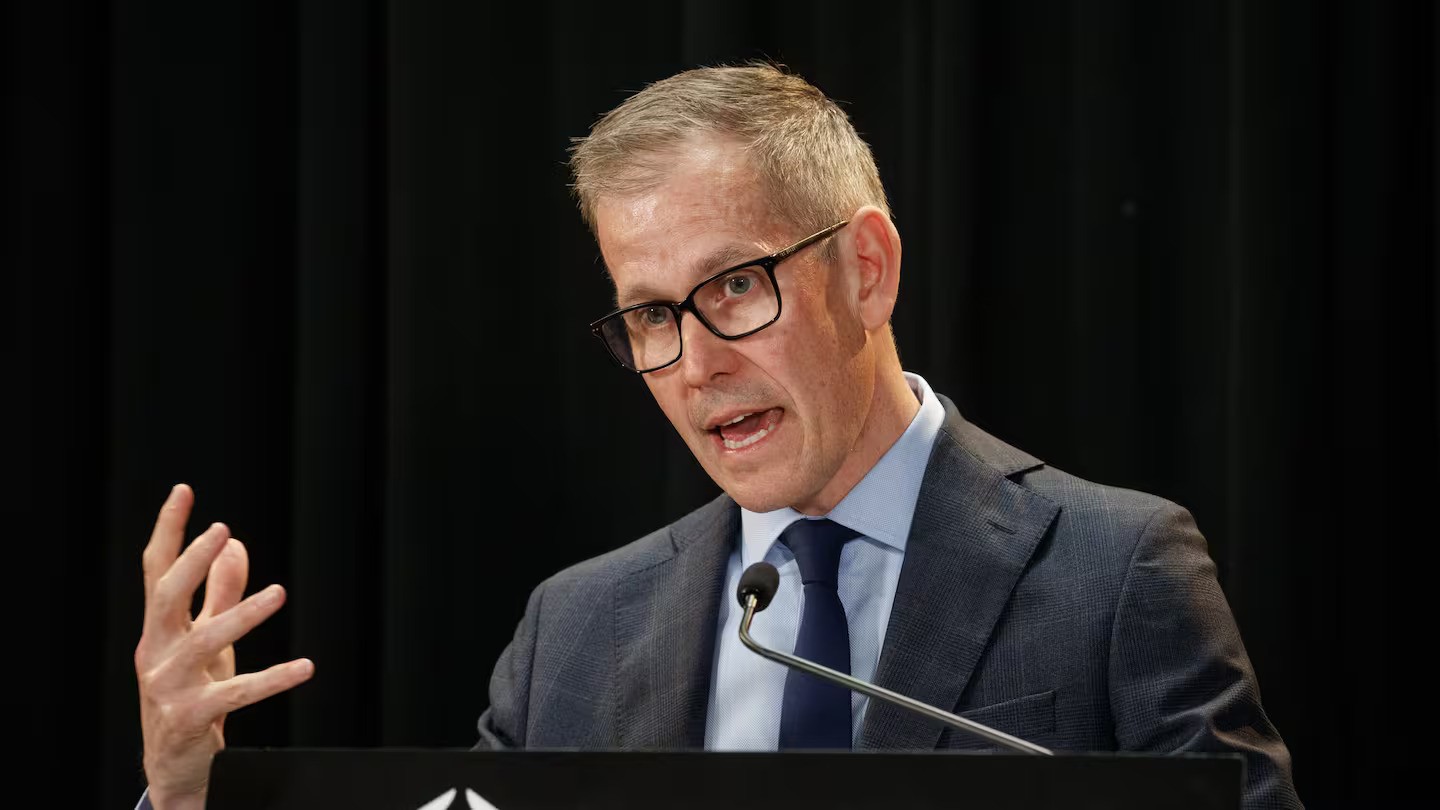
The Reserve Bank of New Zealand is under scrutiny as questions arise about accountability following its recent monetary policy decisions. The bank’s leadership, including former Governor Adrian Orr and now Christian Hawkesby, faces criticism for their handling of the economy after the committee’s decision to maintain the cash rate in July 2023, despite signs of economic contraction.
During the second quarter of 2023, which included April, May, and June, the Reserve Bank projected a contraction of only 0.3%. However, recent data revealed a more significant contraction of 0.9%, raising concerns about the accuracy of the bank’s forecasts. The decision to hold the cash rate steady has led many to question whether the monetary policy committee is adequately addressing New Zealand’s economic challenges.
Hawkesby and his colleagues on the Monetary Policy Committee have come under fire for their lack of action. Critics argue that the decision to refrain from additional stimulus measures contradicts the reality facing many New Zealanders. Economic indicators suggest a tightening environment, and the committee’s failure to respond has left many feeling disillusioned.
The disparity between the predicted contraction and the actual numbers has prompted calls for accountability within the Reserve Bank. While Orr has resigned, and former Deputy Governor Geoff Quigley was dismissed, the broader committee remains intact. Observers question why these members, who are deemed experts, have not been held to similar standards of accountability for their decisions.
As highlighted in a recent poll, a significant number of New Zealanders assign blame to the government for the state of the economy, a sentiment compounded by the Reserve Bank’s perceived failures. The Prime Minister’s recent comments regarding the Reserve Bank’s independence have sparked debate, with critics arguing that independence should not excuse ineffectiveness.
The Reserve Bank’s response to the economic downturn will be critical in the coming months. As the July 2023 decision echoes through the economy, the pressure mounts for the Monetary Policy Committee to demonstrate that they can adapt to changing circumstances and provide effective leadership.
In a climate where results matter, the need for accountability has never been more pronounced. As New Zealanders navigate these challenging economic times, the actions and decisions of the Reserve Bank will be closely scrutinized. The question remains: who will ultimately be held accountable for the failures that have led to this economic situation?








New $25 Million Funding Boosts Hospital Capacity Ahead of Winter

Discover Sleep Space’s Affordable Bach Bed Packages Today

Jury Dismissed in Sexual Assault Trial Over Misguided Questions

Wellington’s New Gallery Unveils Community-Driven Art Exhibition

All Whites Face Challenges as Injuries Strike Before World Cup

Heroic Bystander Rescues Swimmers from Dangerous Surf in Napier

Nina Oyama Returns to Crime Comedy in Deadloch Season 2

China Southern Airlines Offers Reliable Journey from Auckland to Vietnam

Nina Oyama Returns to Deadloch for Anticipated Season 2

Community Mourns Teens Lost in Mount Maunganui Landslide

Tributes Pour In for Lachlan Rofe, Reality Star, Dead at 47

Private Funeral Held for Dean Field and His Three Children

Funeral Planned for Field Siblings After Tragic House Fire

Netball New Zealand Stands Down Dame Noeline Taurua for Series

Al Waha Motors Opens Flagship Jetour Showroom in Al Khor

Julian Dennison Ties the Knot with Christian Baledrokadroka in New Zealand

Auckland’s Average Rent Surpasses $700 for Three-Bedroom Homes

New Research Reveals Simple Path to Enhanced Happiness
-
 Top Stories7 months ago
Community Mourns Teens Lost in Mount Maunganui Landslide
-
 Entertainment11 months ago
Tributes Pour In for Lachlan Rofe, Reality Star, Dead at 47
-
 World9 months ago
Private Funeral Held for Dean Field and His Three Children
-
 Top Stories9 months ago
Funeral Planned for Field Siblings After Tragic House Fire
-
 Sports11 months ago
Netball New Zealand Stands Down Dame Noeline Taurua for Series
-
 Health7 months ago
Al Waha Motors Opens Flagship Jetour Showroom in Al Khor
-
 Entertainment7 months ago
Julian Dennison Ties the Knot with Christian Baledrokadroka in New Zealand
-
 Business7 months ago
Auckland’s Average Rent Surpasses $700 for Three-Bedroom Homes
-
 Science10 months ago
New Research Reveals Simple Path to Enhanced Happiness
-

 Entertainment10 months ago
New ‘Maverick’ Chaser Joins Beat the Chasers Season Finale
-

 Lifestyle11 months ago
Maia Wilson Faces Backlash Following Taurua’s Suspension
-

 Sports10 months ago
All Blacks Star Damian McKenzie and Partner Announce Baby News