
Business
Air New Zealand Faces Potential $5 Million Daily Loss Amid Fuel Surge


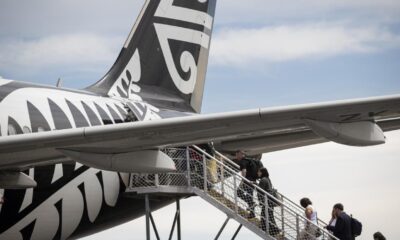
Air New Zealand is exposed to an additional cost of up to $5 million per day due to a surge in jet fuel prices driven by escalating geopolitical tensions. Analysts have raised concerns that the ongoing conflict in the region could exacerbate fuel price volatility, directly impacting airline operations. As a result, the airline’s shares have declined by more than 10% this week, reflecting investor anxiety.
The spike in fuel costs is primarily attributed to disruptions in global supply chains and increased demand for fuel. According to industry experts, this situation is likely to persist, placing significant financial pressure on airlines, particularly those like Air New Zealand that rely heavily on long-haul flights.
Market Reactions and Future Implications
In the wake of these developments, analysts are closely monitoring Air New Zealand’s financial performance. The airline’s operational costs are expected to rise sharply, with potential implications for its profitability. Operating on thin margins, the added expense of $4 million to $5 million daily could hinder the company’s ability to compete effectively in a challenging market environment.
The impact on shares is evident, with significant sell-offs occurring as investors reassess the airline’s outlook. The 10% drop in stock value serves as a stark reminder of the vulnerabilities faced by the aviation sector in times of geopolitical instability. Analysts emphasize that airlines need to implement strategic measures to mitigate these risks, including fuel hedging and cost management strategies.
Strategic Responses Required
Air New Zealand’s management is expected to address these challenges in upcoming financial reports. Stakeholders are eager to hear how the airline plans to navigate the turbulent landscape. Strategies may include adjusting ticket prices to offset rising fuel costs, optimizing routes to enhance fuel efficiency, and exploring partnerships to secure more favorable terms on fuel procurement.
As the situation evolves, the airline industry will need to adapt to the changing dynamics of fuel pricing and demand. The future of Air New Zealand, like many airlines, hinges on its ability to respond effectively to these pressures. With analysts predicting continued volatility in fuel markets, the coming months will be critical for the airline’s financial health and operational stability.












New $25 Million Funding Boosts Hospital Capacity Ahead of Winter

Discover Sleep Space’s Affordable Bach Bed Packages Today

Jury Dismissed in Sexual Assault Trial Over Misguided Questions

Wellington’s New Gallery Unveils Community-Driven Art Exhibition

All Whites Face Challenges as Injuries Strike Before World Cup

Heroic Bystander Rescues Swimmers from Dangerous Surf in Napier

Nina Oyama Returns to Crime Comedy in Deadloch Season 2

China Southern Airlines Offers Reliable Journey from Auckland to Vietnam

Nina Oyama Returns to Deadloch for Anticipated Season 2

Community Mourns Teens Lost in Mount Maunganui Landslide

Tributes Pour In for Lachlan Rofe, Reality Star, Dead at 47

Private Funeral Held for Dean Field and His Three Children

Funeral Planned for Field Siblings After Tragic House Fire

Netball New Zealand Stands Down Dame Noeline Taurua for Series

Al Waha Motors Opens Flagship Jetour Showroom in Al Khor

Julian Dennison Ties the Knot with Christian Baledrokadroka in New Zealand

Auckland’s Average Rent Surpasses $700 for Three-Bedroom Homes

New Research Reveals Simple Path to Enhanced Happiness
-
 Top Stories7 months ago
Community Mourns Teens Lost in Mount Maunganui Landslide
-
 Entertainment11 months ago
Tributes Pour In for Lachlan Rofe, Reality Star, Dead at 47
-
 World9 months ago
Private Funeral Held for Dean Field and His Three Children
-
 Top Stories9 months ago
Funeral Planned for Field Siblings After Tragic House Fire
-
 Sports11 months ago
Netball New Zealand Stands Down Dame Noeline Taurua for Series
-
 Health7 months ago
Al Waha Motors Opens Flagship Jetour Showroom in Al Khor
-
 Entertainment7 months ago
Julian Dennison Ties the Knot with Christian Baledrokadroka in New Zealand
-
 Business7 months ago
Auckland’s Average Rent Surpasses $700 for Three-Bedroom Homes
-
 Science10 months ago
New Research Reveals Simple Path to Enhanced Happiness
-

 Entertainment10 months ago
New ‘Maverick’ Chaser Joins Beat the Chasers Season Finale
-

 Lifestyle10 months ago
Maia Wilson Faces Backlash Following Taurua’s Suspension
-

 Sports10 months ago
All Blacks Star Damian McKenzie and Partner Announce Baby News