
Business
Asset Sales Proposed to Alleviate National Debt Concerns

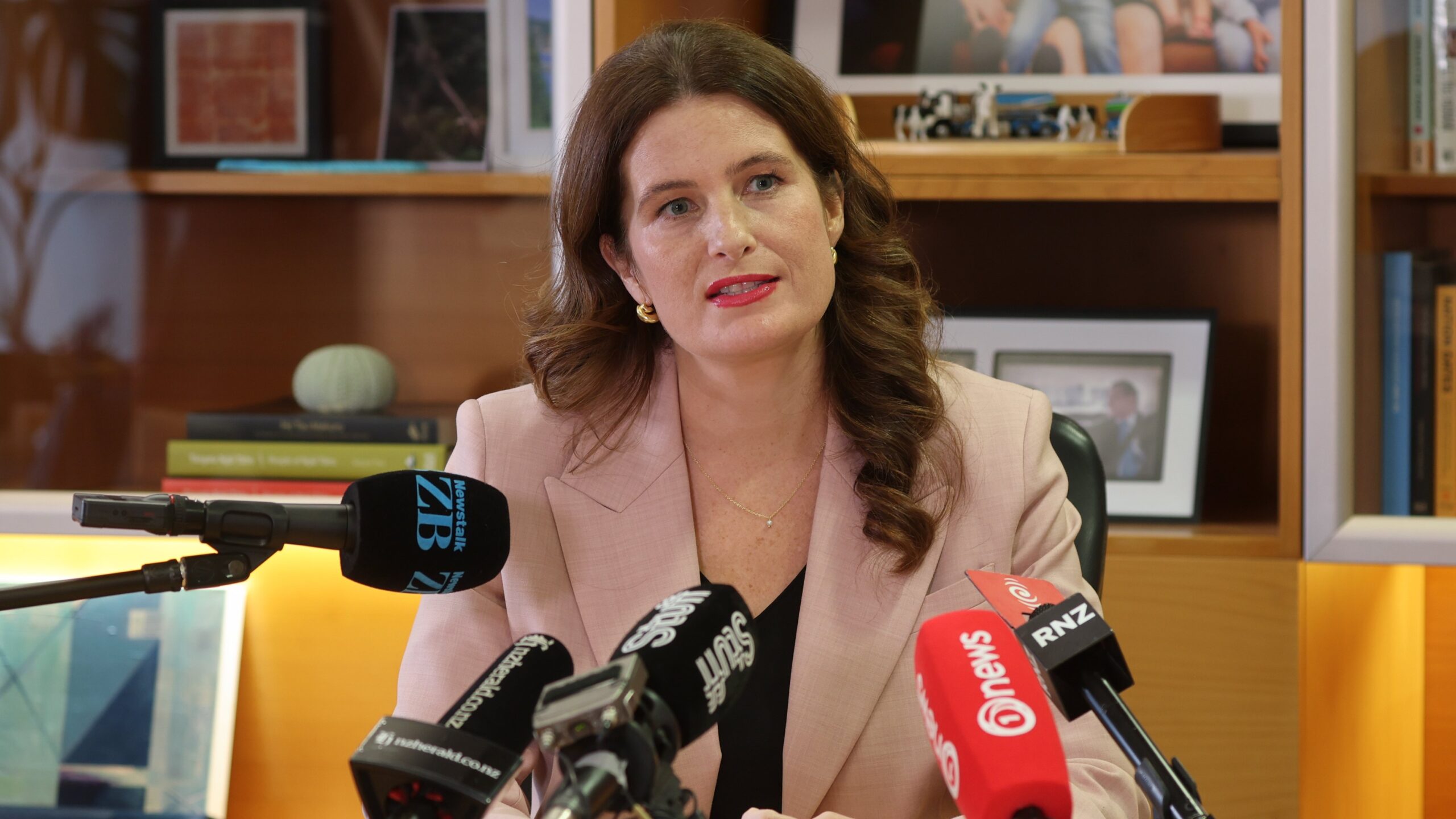
In a recent discussion on the Sunday Panel, experts debated the potential impact of asset sales on reducing New Zealand’s national debt. The conversation featured insights from Ed McKnight, resident economist at Opes Partners, and journalist and commentator Irene Gardiner. With the government facing increasing pressure, Treasury has suggested that selling off certain assets could be a strategic move to manage the country’s financial obligations.
Evaluating the Viability of Asset Sales
The proposal for asset sales raises critical questions about its effectiveness as a solution. McKnight emphasized that while divesting government-owned assets might provide immediate financial relief, it is essential to consider the long-term consequences. “We need to carefully analyze which assets to sell and ensure that they do not compromise future revenue streams,” he noted.
Gardiner echoed this sentiment, suggesting that the government should prioritize assets that are underperforming or have limited strategic value. “Identifying the right candidates for sale is crucial. We want to avoid selling off valuable public assets that could generate income in the future,” she stated.
Participants in the panel also discussed potential areas for asset sales. Suggestions included non-essential government properties and stakes in various enterprises. The debate highlighted the importance of transparency and public engagement in any sale process, particularly as these decisions can significantly impact everyday citizens.
Boost for New Zealand’s Film Industry
In addition to the asset sale discussion, the panel addressed the government’s recent decision to provide an additional financial boost to New Zealand’s film production sector. This move aims to enhance the industry’s competitiveness and attract international projects.
McKnight applauded the initiative, stating, “Investing in the film industry not only supports local jobs but also positions New Zealand as a global player in entertainment.” Gardiner, however, raised concerns about whether this funding was the best use of taxpayer money, suggesting that the government should focus on broader economic recovery strategies.
The panel concluded that while asset sales could be one avenue to explore for reducing national debt, careful consideration and strategic planning are paramount. Furthermore, the support for the film industry could serve as a catalyst for economic growth if managed effectively.
As the government evaluates these proposals, the conversation around fiscal responsibility and economic strategy continues to evolve. Stakeholders and citizens alike are keenly watching how these decisions will unfold in the coming months.










New $25 Million Funding Boosts Hospital Capacity Ahead of Winter

Discover Sleep Space’s Affordable Bach Bed Packages Today

Jury Dismissed in Sexual Assault Trial Over Misguided Questions

Wellington’s New Gallery Unveils Community-Driven Art Exhibition

All Whites Face Challenges as Injuries Strike Before World Cup

Heroic Bystander Rescues Swimmers from Dangerous Surf in Napier

Nina Oyama Returns to Crime Comedy in Deadloch Season 2

China Southern Airlines Offers Reliable Journey from Auckland to Vietnam

Nina Oyama Returns to Deadloch for Anticipated Season 2

Community Mourns Teens Lost in Mount Maunganui Landslide

Tributes Pour In for Lachlan Rofe, Reality Star, Dead at 47

Private Funeral Held for Dean Field and His Three Children

Funeral Planned for Field Siblings After Tragic House Fire

Netball New Zealand Stands Down Dame Noeline Taurua for Series

Al Waha Motors Opens Flagship Jetour Showroom in Al Khor

Julian Dennison Ties the Knot with Christian Baledrokadroka in New Zealand

Auckland’s Average Rent Surpasses $700 for Three-Bedroom Homes

New Research Reveals Simple Path to Enhanced Happiness
-
 Top Stories7 months ago
Community Mourns Teens Lost in Mount Maunganui Landslide
-
 Entertainment11 months ago
Tributes Pour In for Lachlan Rofe, Reality Star, Dead at 47
-
 World9 months ago
Private Funeral Held for Dean Field and His Three Children
-
 Top Stories9 months ago
Funeral Planned for Field Siblings After Tragic House Fire
-
 Sports11 months ago
Netball New Zealand Stands Down Dame Noeline Taurua for Series
-
 Health7 months ago
Al Waha Motors Opens Flagship Jetour Showroom in Al Khor
-
 Entertainment7 months ago
Julian Dennison Ties the Knot with Christian Baledrokadroka in New Zealand
-
 Business7 months ago
Auckland’s Average Rent Surpasses $700 for Three-Bedroom Homes
-
 Science10 months ago
New Research Reveals Simple Path to Enhanced Happiness
-

 Entertainment10 months ago
New ‘Maverick’ Chaser Joins Beat the Chasers Season Finale
-

 Lifestyle11 months ago
Maia Wilson Faces Backlash Following Taurua’s Suspension
-

 Sports10 months ago
All Blacks Star Damian McKenzie and Partner Announce Baby News