
Business
Avoid Common Mistakes When Purchasing Your First Home

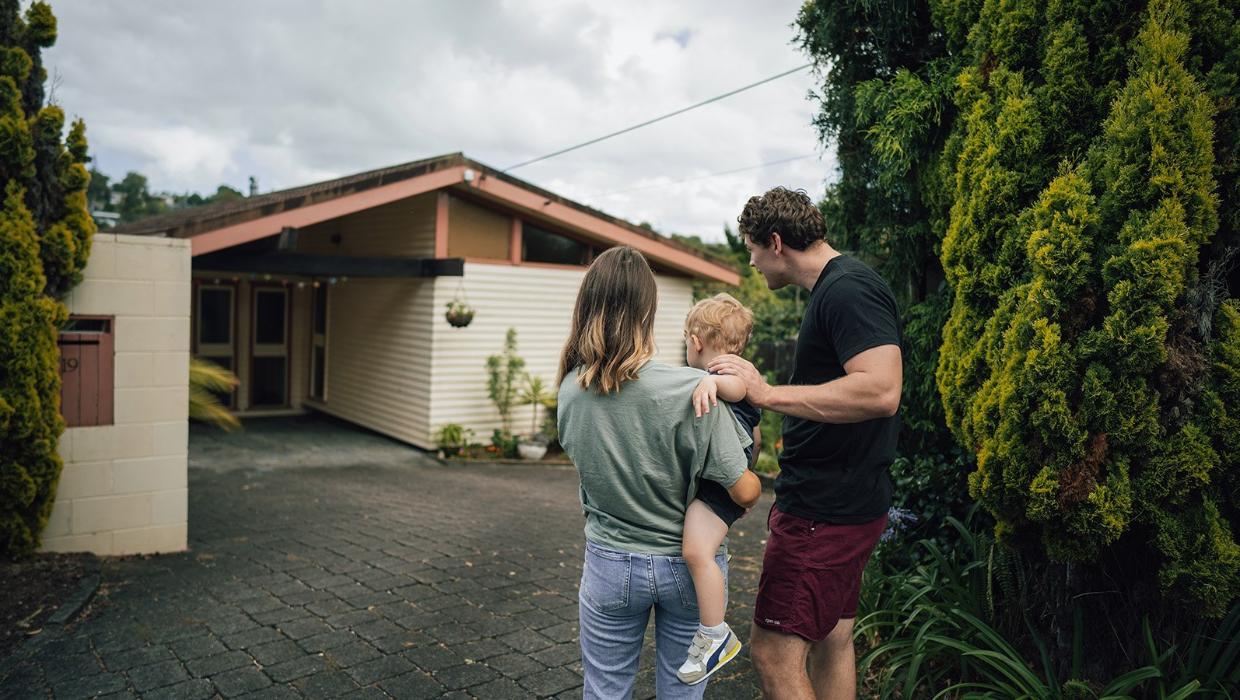
Purchasing a home for the first time can be both exciting and overwhelming. First-time buyers are often unaware of the pitfalls that can arise during the process. Understanding these common missteps and how to avoid them is crucial for ensuring a smooth transaction.
One of the most significant mistakes is failing to conduct thorough research. Buyers should familiarize themselves with the local real estate market before making any decisions. This includes understanding average property prices, neighborhood dynamics, and future development plans. According to recent data from the National Association of Realtors, home prices rose by approximately 10% in many regions during 2023. Knowing these trends can help buyers make informed offers and avoid overpaying.
Another common error is neglecting to get pre-approved for a mortgage. Many first-time buyers skip this step, thinking it will slow down the process. However, pre-approval provides a clear understanding of budgetary constraints and demonstrates to sellers that the buyer is serious. Mortgage lenders look at various factors, including credit scores and income, to determine how much money they can lend. This information is vital before entering the competitive housing market.
Understanding Additional Costs
First-time buyers often underestimate the additional costs associated with buying a home. Beyond the purchase price, expenses such as closing costs, property inspections, and home insurance can add thousands to the overall expenditure. Closing costs typically range from 2% to 5% of the home’s purchase price. For a home priced at $300,000, this could mean an additional $6,000 to $15,000 in upfront costs.
Furthermore, skipping a professional property inspection can lead to severe consequences. While it might be tempting to save money by foregoing this step, hidden issues can result in costly repairs down the line. A thorough inspection can uncover problems such as faulty wiring, plumbing issues, or structural concerns. Engaging a qualified inspector can save buyers from future headaches and expenses.
Many first-time buyers also overlook the importance of home insurance. This is not merely an optional expense but a critical safeguard against unforeseen events such as natural disasters or theft. Buyers should shop around for the best policy, comparing coverage options and premiums to find a plan that fits their budget.
Navigating Negotiations and Closing
Emotional decision-making can cloud judgment during negotiations. First-time buyers may feel pressured to accept an offer quickly, particularly in a competitive market. It is essential to approach negotiations with a level head and not rush into a decision. Working with a local real estate agent can provide valuable insights and guidance through this process.
Finally, understanding the closing process is vital. First-time buyers may be surprised by the sheer volume of paperwork and procedures involved. Familiarity with the required documents can ease the transition and help avoid last-minute issues. Buyers should also be prepared to ask questions and seek clarification on any aspect of the process they do not understand.
In conclusion, purchasing a home for the first time can be a rewarding experience if buyers take the necessary precautions. By conducting thorough research, securing pre-approval, understanding additional costs, and navigating negotiations carefully, first-time home buyers can avoid common pitfalls and make informed decisions. As the housing market continues to evolve, staying informed and prepared is crucial for a successful home-buying experience.













New $25 Million Funding Boosts Hospital Capacity Ahead of Winter

Discover Sleep Space’s Affordable Bach Bed Packages Today

Jury Dismissed in Sexual Assault Trial Over Misguided Questions

Wellington’s New Gallery Unveils Community-Driven Art Exhibition

All Whites Face Challenges as Injuries Strike Before World Cup

Heroic Bystander Rescues Swimmers from Dangerous Surf in Napier

Nina Oyama Returns to Crime Comedy in Deadloch Season 2

China Southern Airlines Offers Reliable Journey from Auckland to Vietnam

Nina Oyama Returns to Deadloch for Anticipated Season 2

Community Mourns Teens Lost in Mount Maunganui Landslide

Tributes Pour In for Lachlan Rofe, Reality Star, Dead at 47

Private Funeral Held for Dean Field and His Three Children

Funeral Planned for Field Siblings After Tragic House Fire

Netball New Zealand Stands Down Dame Noeline Taurua for Series

Al Waha Motors Opens Flagship Jetour Showroom in Al Khor

Julian Dennison Ties the Knot with Christian Baledrokadroka in New Zealand

Auckland’s Average Rent Surpasses $700 for Three-Bedroom Homes

New Research Reveals Simple Path to Enhanced Happiness
-
 Top Stories7 months ago
Community Mourns Teens Lost in Mount Maunganui Landslide
-
 Entertainment11 months ago
Tributes Pour In for Lachlan Rofe, Reality Star, Dead at 47
-
 World9 months ago
Private Funeral Held for Dean Field and His Three Children
-
 Top Stories9 months ago
Funeral Planned for Field Siblings After Tragic House Fire
-
 Sports11 months ago
Netball New Zealand Stands Down Dame Noeline Taurua for Series
-
 Health7 months ago
Al Waha Motors Opens Flagship Jetour Showroom in Al Khor
-
 Entertainment7 months ago
Julian Dennison Ties the Knot with Christian Baledrokadroka in New Zealand
-
 Business7 months ago
Auckland’s Average Rent Surpasses $700 for Three-Bedroom Homes
-
 Science10 months ago
New Research Reveals Simple Path to Enhanced Happiness
-

 Entertainment10 months ago
New ‘Maverick’ Chaser Joins Beat the Chasers Season Finale
-

 Lifestyle11 months ago
Maia Wilson Faces Backlash Following Taurua’s Suspension
-

 Sports10 months ago
All Blacks Star Damian McKenzie and Partner Announce Baby News