
Business
Debate Rages Over New LNG Facility and Educational Priorities

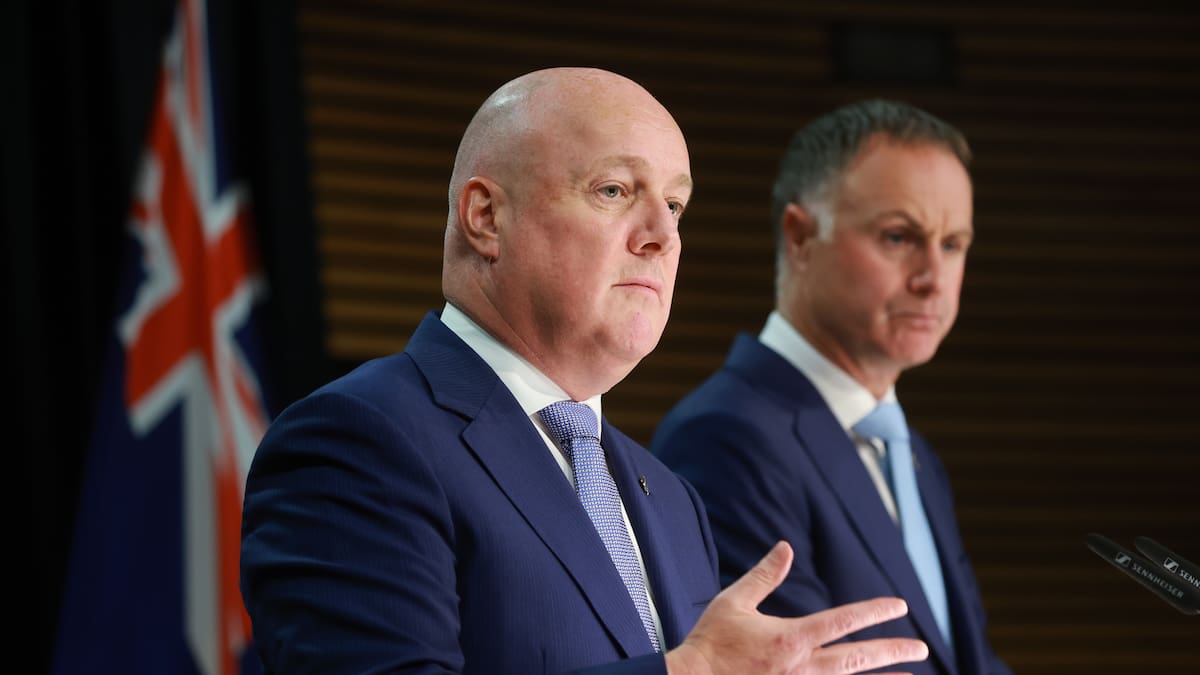
On an episode of The Huddle, discussions centered around pressing issues impacting regional development and education in a rapidly changing world. Notable guests included Trish Sherson from Sherson Willis PR and Josie Pagani, CEO of Child Fund. The panel scrutinized the financial management of regional funds and debated the necessity of teaching touch typing in schools, alongside a government proposal for a new liquefied natural gas (LNG) facility.
The spotlight was on Shane Jones, the Regional Development Minister, who staunchly defended his department’s financial track record. He emphasized his ongoing commitment to investing in regional initiatives, stating that these funds are crucial for fostering growth and sustainability in local economies. The Minister’s remarks come amid increasing scrutiny regarding the effectiveness of government spending in these areas.
Amid this discussion, a hot topic emerged: the government’s proposal to levy charges on electricity users to finance the construction of a facility for importing liquefied natural gas. Critics are questioning the necessity of this facility, citing concerns over environmental impacts and the long-term viability of relying on fossil fuels. The debate is intensifying, with proponents arguing that the LNG facility could ensure energy security and economic stability, while opponents highlight the importance of transitioning to renewable energy sources.
Educational Priorities: Touch Typing vs. Fundamentals
In addition to energy discussions, the panel addressed the growing debate over the relevance of teaching touch typing in schools. There is a division of opinion on whether educational institutions should prioritize this skill or focus on foundational literacy and numeracy first. Advocates for teaching touch typing argue that proficiency in technology is essential for students in a digital age, while others contend that ensuring students master the basics should take precedence.
As these discussions unfold, the implications of these decisions extend beyond immediate financial impacts, influencing future generations’ educational paths and regional development strategies. The Huddle continues to serve as a platform for these vital conversations, inviting stakeholders to engage in the dialogue that shapes policy and education.
The ongoing debates reflect broader societal questions about balancing immediate needs with long-term sustainability. As the government considers its options for energy production and education, the outcomes of these discussions will likely have lasting effects on communities across the nation.













New $25 Million Funding Boosts Hospital Capacity Ahead of Winter

Discover Sleep Space’s Affordable Bach Bed Packages Today

Jury Dismissed in Sexual Assault Trial Over Misguided Questions

Wellington’s New Gallery Unveils Community-Driven Art Exhibition

All Whites Face Challenges as Injuries Strike Before World Cup

Heroic Bystander Rescues Swimmers from Dangerous Surf in Napier

Nina Oyama Returns to Crime Comedy in Deadloch Season 2

China Southern Airlines Offers Reliable Journey from Auckland to Vietnam

Nina Oyama Returns to Deadloch for Anticipated Season 2

Community Mourns Teens Lost in Mount Maunganui Landslide

Tributes Pour In for Lachlan Rofe, Reality Star, Dead at 47

Private Funeral Held for Dean Field and His Three Children

Funeral Planned for Field Siblings After Tragic House Fire

Netball New Zealand Stands Down Dame Noeline Taurua for Series

Al Waha Motors Opens Flagship Jetour Showroom in Al Khor

Julian Dennison Ties the Knot with Christian Baledrokadroka in New Zealand

Auckland’s Average Rent Surpasses $700 for Three-Bedroom Homes

New Research Reveals Simple Path to Enhanced Happiness
-
 Top Stories7 months ago
Community Mourns Teens Lost in Mount Maunganui Landslide
-
 Entertainment11 months ago
Tributes Pour In for Lachlan Rofe, Reality Star, Dead at 47
-
 World9 months ago
Private Funeral Held for Dean Field and His Three Children
-
 Top Stories9 months ago
Funeral Planned for Field Siblings After Tragic House Fire
-
 Sports11 months ago
Netball New Zealand Stands Down Dame Noeline Taurua for Series
-
 Health7 months ago
Al Waha Motors Opens Flagship Jetour Showroom in Al Khor
-
 Entertainment7 months ago
Julian Dennison Ties the Knot with Christian Baledrokadroka in New Zealand
-
 Business7 months ago
Auckland’s Average Rent Surpasses $700 for Three-Bedroom Homes
-
 Science10 months ago
New Research Reveals Simple Path to Enhanced Happiness
-

 Entertainment10 months ago
New ‘Maverick’ Chaser Joins Beat the Chasers Season Finale
-

 Lifestyle10 months ago
Maia Wilson Faces Backlash Following Taurua’s Suspension
-

 Sports10 months ago
All Blacks Star Damian McKenzie and Partner Announce Baby News