
Politics
Trump’s Military Strategy Faces Backlash Amid Iranian Resistance

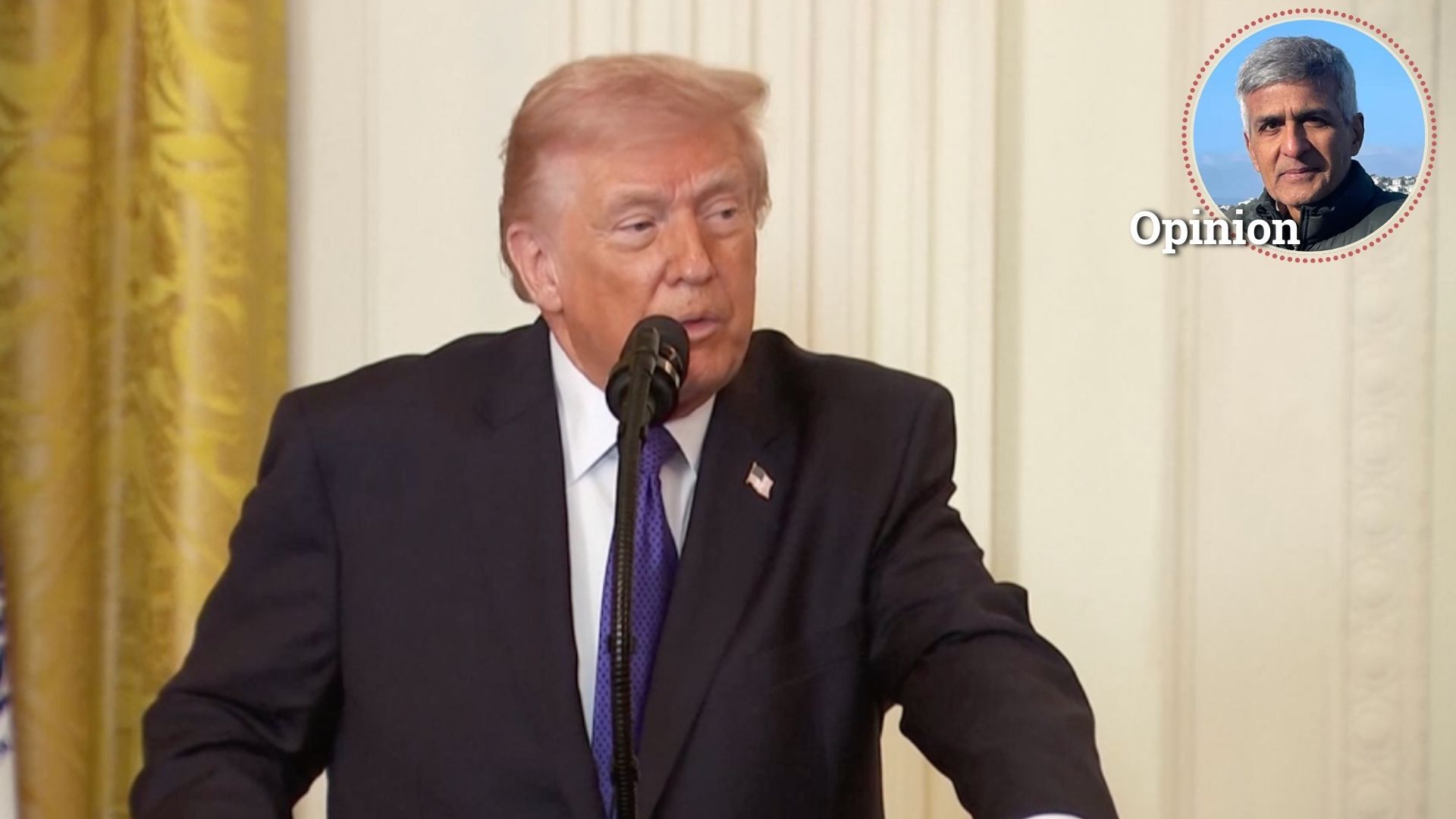
Tensions escalate between the United States and Iran following a series of military operations. As joint US-Israeli actions target Iranian leadership, the Iranian regime has retaliated with strikes across Gulf states. This ongoing conflict poses significant challenges for the administration of US President Donald Trump, facing increasing scrutiny from Congress and international bodies.
Congress is preparing to vote on a bill aimed at constraining the President’s war powers, a response to widespread criticism of the military campaign in Iran. The United Nations has condemned both the US and Israel for their roles in the conflict, echoing concerns over the potential for prolonged hostilities reminiscent of the disastrous 2023 invasion of Iraq. Despite historical lessons, the Trump administration appears reluctant to withdraw, fearing the potential implications of an open-ended war.
Tehran has adopted a strategy that seeks to undermine US military objectives by escalating economic costs through drone and missile attacks on oil and natural gas facilities in the Gulf Cooperation Council (GCC) countries. This approach aims to trigger a global spike in fuel prices, further complicating the situation for the Trump administration. The growing economic crisis may force the US to reconsider its military engagement, shifting the burden of regime change onto the Iranian populace.
British opposition leader Keir Starmer has emphasized that “regime change cannot come from the skies,” highlighting the challenges the US faces in achieving its goals without significant ground involvement. The Trump administration’s reluctance to deploy troops raises concerns about the potential for disaster, particularly as negotiations have faltered amid Iranian defiance.
The complexities of the Iranian political landscape complicate Western efforts. The Islamic Republic, led by Supreme Leader Ayatollah Khamenei, possesses a resilient structure, with the Revolutionary Guards maintaining control over the streets. Attempts to incite division among ethnic groups, such as the Kurds and Baluchis, may be hindered by the lack of time and resources available to the US.
As the conflict progresses, Washington has begun to shift blame towards Israel, suggesting that Tel Aviv would continue military actions independently. The current US policy in the Middle East appears increasingly fragmented, with the administration’s tactics risking backlash against Iranian protesters as the regime seeks to consolidate power amid external threats.
The Gulf states are reevaluating their security strategies in light of Iran’s strikes on both military and civilian targets within their borders. Such actions threaten to undermine their previously neutral stance and may lead to a militarization of the region, contrary to their identity as a commercial hub.
The sectarian nature of the conflict further complicates the landscape, as Iran’s weakened position may benefit Sunni-majority Saudi Arabia, which has historically vied for dominance in the Middle East. The actions of Saudi Arabia in response to the current tensions will significantly influence the region’s future trajectory.
As combat operations continue, the Trump administration appears to rely on the possibility of civil unrest in Iran leading to regime collapse. However, this calculation depends heavily on the Revolutionary Guards’ willingness to relinquish control. Without a clear resolution, the risk of further violence on Iranian streets remains high in the near future.
The unfolding situation highlights the intricate dynamics at play in the Middle East, with potential repercussions that extend far beyond the immediate conflict.











New $25 Million Funding Boosts Hospital Capacity Ahead of Winter

Discover Sleep Space’s Affordable Bach Bed Packages Today

Jury Dismissed in Sexual Assault Trial Over Misguided Questions

Wellington’s New Gallery Unveils Community-Driven Art Exhibition

All Whites Face Challenges as Injuries Strike Before World Cup

Heroic Bystander Rescues Swimmers from Dangerous Surf in Napier

Nina Oyama Returns to Crime Comedy in Deadloch Season 2

China Southern Airlines Offers Reliable Journey from Auckland to Vietnam

Nina Oyama Returns to Deadloch for Anticipated Season 2

Community Mourns Teens Lost in Mount Maunganui Landslide

Tributes Pour In for Lachlan Rofe, Reality Star, Dead at 47

Private Funeral Held for Dean Field and His Three Children

Funeral Planned for Field Siblings After Tragic House Fire

Netball New Zealand Stands Down Dame Noeline Taurua for Series

Al Waha Motors Opens Flagship Jetour Showroom in Al Khor

Julian Dennison Ties the Knot with Christian Baledrokadroka in New Zealand

Auckland’s Average Rent Surpasses $700 for Three-Bedroom Homes

New Research Reveals Simple Path to Enhanced Happiness
-
 Top Stories7 months ago
Community Mourns Teens Lost in Mount Maunganui Landslide
-
 Entertainment11 months ago
Tributes Pour In for Lachlan Rofe, Reality Star, Dead at 47
-
 World9 months ago
Private Funeral Held for Dean Field and His Three Children
-
 Top Stories9 months ago
Funeral Planned for Field Siblings After Tragic House Fire
-
 Sports11 months ago
Netball New Zealand Stands Down Dame Noeline Taurua for Series
-
 Health7 months ago
Al Waha Motors Opens Flagship Jetour Showroom in Al Khor
-
 Entertainment7 months ago
Julian Dennison Ties the Knot with Christian Baledrokadroka in New Zealand
-
 Business7 months ago
Auckland’s Average Rent Surpasses $700 for Three-Bedroom Homes
-
 Science10 months ago
New Research Reveals Simple Path to Enhanced Happiness
-

 Entertainment10 months ago
New ‘Maverick’ Chaser Joins Beat the Chasers Season Finale
-

 Lifestyle10 months ago
Maia Wilson Faces Backlash Following Taurua’s Suspension
-

 Sports10 months ago
All Blacks Star Damian McKenzie and Partner Announce Baby News