
Business
Government Slashes Clean Car Standards, Import Costs Set to Drop

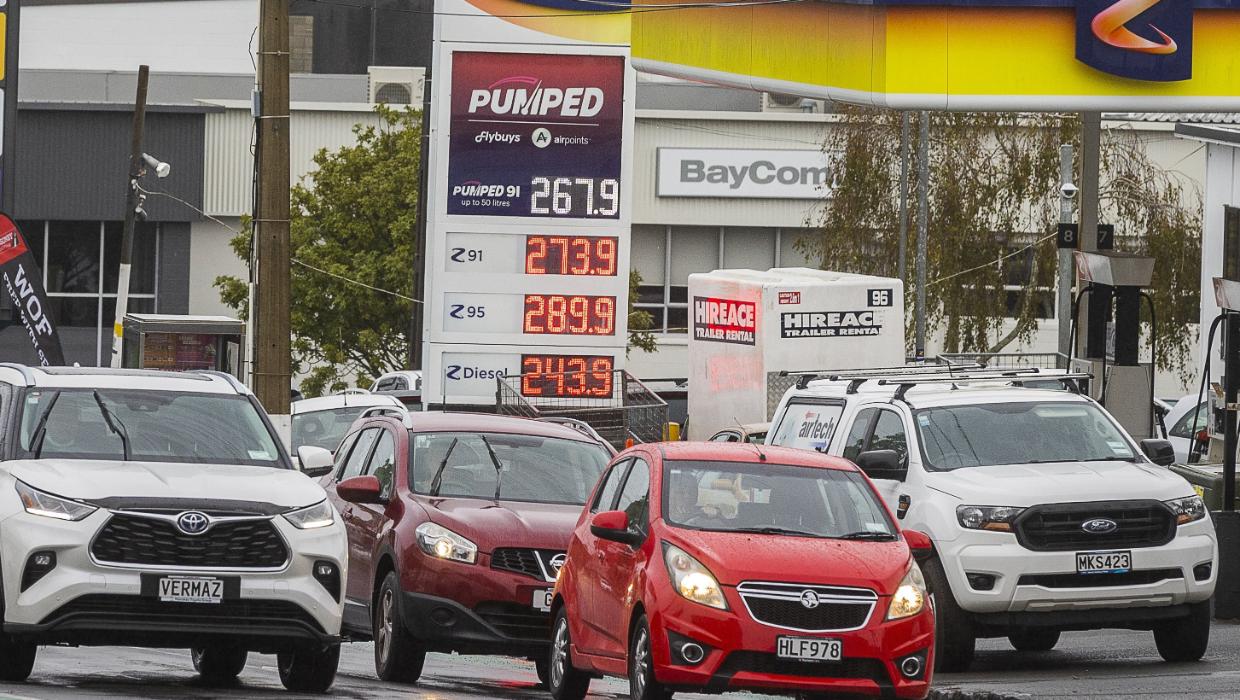
The New Zealand government is set to reduce costs associated with importing older vehicles, following urgent changes announced by Transport Minister Chris Bishop. The modifications to the Clean Car Standard aim to prevent the regulations from “falling apart” within weeks, as stated by Bishop during a press briefing.
This decision comes amid growing concerns over the sustainability of the current standards, which were designed to promote cleaner vehicles and reduce emissions. The Transport Ministry’s announcement indicates a strategic shift in policy, as officials seek to balance environmental goals with economic realities.
Details of the Policy Changes
The revised rules will allow for the importation of older, less environmentally friendly vehicles, effectively easing restrictions that have been in place. Currently, vehicles that do not meet stringent emission standards face significant penalties, which have raised costs for dealers and consumers alike.
Bishop explained that the changes are necessary to support the automotive industry, which has been struggling under the current regulations. He emphasized the need for a balanced approach that considers both environmental impacts and the practicalities faced by car importers and buyers.
According to the Transport Ministry, these changes are expected to lower the costs of importing vehicles by as much as 20% for some models. This reduction could make it easier for consumers to access a wider range of vehicles at more affordable prices.
Implications for the Automotive Industry
The automotive sector is likely to experience a significant shift as a result of these changes. With the ability to import older vehicles, dealers may see an increase in sales, potentially revitalizing a market that has faced challenges due to high compliance costs.
Critics of the Clean Car Standard have voiced concerns that the relaxation of rules may undermine progress towards reducing carbon emissions. However, supporters of the new measures argue that they are essential for maintaining a viable market for both consumers and businesses.
Bishop assured stakeholders that the government remains committed to environmental goals, indicating that future regulations may be developed to support cleaner technology without imposing undue burdens on the automotive market.
As the situation develops, industry observers will be closely monitoring how these changes affect both vehicle prices and environmental outcomes in New Zealand. The new policy will take effect immediately, and its impact will likely be felt across the automotive landscape in the coming months.
This decision marks a pivotal moment in New Zealand’s transportation policy, highlighting the ongoing tension between economic viability and environmental responsibility in the automotive sector.










New $25 Million Funding Boosts Hospital Capacity Ahead of Winter

Discover Sleep Space’s Affordable Bach Bed Packages Today

Jury Dismissed in Sexual Assault Trial Over Misguided Questions

Wellington’s New Gallery Unveils Community-Driven Art Exhibition

All Whites Face Challenges as Injuries Strike Before World Cup

Heroic Bystander Rescues Swimmers from Dangerous Surf in Napier

Nina Oyama Returns to Crime Comedy in Deadloch Season 2

China Southern Airlines Offers Reliable Journey from Auckland to Vietnam

Nina Oyama Returns to Deadloch for Anticipated Season 2

Community Mourns Teens Lost in Mount Maunganui Landslide

Tributes Pour In for Lachlan Rofe, Reality Star, Dead at 47

Private Funeral Held for Dean Field and His Three Children

Funeral Planned for Field Siblings After Tragic House Fire

Netball New Zealand Stands Down Dame Noeline Taurua for Series

Al Waha Motors Opens Flagship Jetour Showroom in Al Khor

Julian Dennison Ties the Knot with Christian Baledrokadroka in New Zealand

Auckland’s Average Rent Surpasses $700 for Three-Bedroom Homes

New Research Reveals Simple Path to Enhanced Happiness
-
 Top Stories7 months ago
Community Mourns Teens Lost in Mount Maunganui Landslide
-
 Entertainment11 months ago
Tributes Pour In for Lachlan Rofe, Reality Star, Dead at 47
-
 World9 months ago
Private Funeral Held for Dean Field and His Three Children
-
 Top Stories9 months ago
Funeral Planned for Field Siblings After Tragic House Fire
-
 Sports11 months ago
Netball New Zealand Stands Down Dame Noeline Taurua for Series
-
 Health7 months ago
Al Waha Motors Opens Flagship Jetour Showroom in Al Khor
-
 Entertainment7 months ago
Julian Dennison Ties the Knot with Christian Baledrokadroka in New Zealand
-
 Business7 months ago
Auckland’s Average Rent Surpasses $700 for Three-Bedroom Homes
-
 Science10 months ago
New Research Reveals Simple Path to Enhanced Happiness
-

 Entertainment10 months ago
New ‘Maverick’ Chaser Joins Beat the Chasers Season Finale
-

 Lifestyle11 months ago
Maia Wilson Faces Backlash Following Taurua’s Suspension
-

 Sports10 months ago
All Blacks Star Damian McKenzie and Partner Announce Baby News