
Business
New Granny Flat Rules Take Effect in New Zealand, Simplifying Housing

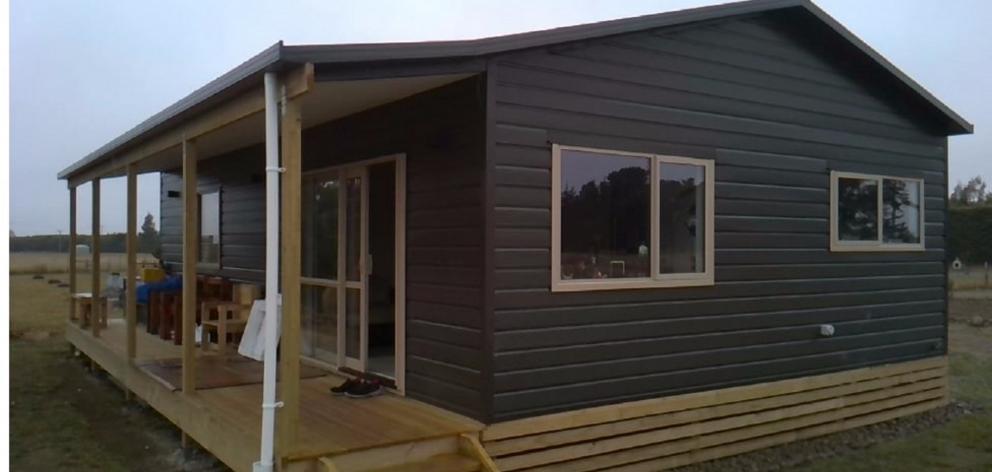
New Zealand has implemented new regulations for constructing granny flats, effective today. These changes allow homeowners to build small dwellings, measuring up to 70 square metres, without the need for resource consent, streamlining the housing process. Homeowners must notify their local council before construction begins, and licensed builders must supervise the work.
The announcement was made during a visit to a granny flat in Auckland’s Riverhead by politicians Chris Bishop, Chris Penk, and Shane Jones. Bishop highlighted the longstanding challenges surrounding housing availability and affordability in New Zealand. He stated, “Providing housing in New Zealand has been overly difficult and expensive for too long.”
The updated regulations are expected to save homeowners up to $5,650 in construction costs and reduce the building timeline by approximately 14 weeks. Penk noted the potential for the new rules to increase construction productivity, estimating that as many as 13,000 additional granny flats could be built over the next decade.
Broader National Policy Changes
In addition to the granny flat regulations, the government is rolling out a total of 10 updated or new National Policy Statements (NPS). These policies, which affect various aspects of planning and environmental management, aim to modernize New Zealand’s resource management framework. Five additional National Environmental Standards and other national directives are anticipated to be reviewed by Cabinet in the coming months.
Bishop expressed his surprise that New Zealand had not previously established an NPS for infrastructure. He remarked, “Making these changes now means that New Zealanders can see some of the benefits from a more enabling, simpler planning system now, rather than waiting until our new planning system fully takes effect.”
The updated NPSs cover critical areas such as renewable electricity generation, natural hazards, indigenous biodiversity, and freshwater management. The revisions are intended to facilitate a more flexible approach to land use, particularly for Land Use Capability Class 3 (LUC3) lands.
Despite these advancements, Agriculture Minister Todd McClay announced a pause on a proposal for “Special Agricultural Areas,” which has raised questions about the pace of change. Bishop addressed concerns regarding local councils’ capacity to manage these reforms, stating that the government has adopted a phased approach.
He noted that the initial steps involved dismantling previous Labour reforms, expanding fast-track processes, updating national policy instruments, and introducing new legislation to replace the Resource Management Act. Bishop acknowledged the challenges that come with change but emphasized its necessity: “It should not take that much time and money to consent basic energy and infrastructure, so that’s why we’re changing it.”
As New Zealand embarks on these significant policy updates, the potential impact on housing affordability and construction efficiency remains to be seen. The government aims to foster a more effective planning environment that benefits citizens and addresses the pressing housing crisis.









New $25 Million Funding Boosts Hospital Capacity Ahead of Winter

Discover Sleep Space’s Affordable Bach Bed Packages Today

Jury Dismissed in Sexual Assault Trial Over Misguided Questions

Wellington’s New Gallery Unveils Community-Driven Art Exhibition

All Whites Face Challenges as Injuries Strike Before World Cup

Heroic Bystander Rescues Swimmers from Dangerous Surf in Napier

Nina Oyama Returns to Crime Comedy in Deadloch Season 2

China Southern Airlines Offers Reliable Journey from Auckland to Vietnam

Nina Oyama Returns to Deadloch for Anticipated Season 2

Community Mourns Teens Lost in Mount Maunganui Landslide

Tributes Pour In for Lachlan Rofe, Reality Star, Dead at 47

Private Funeral Held for Dean Field and His Three Children

Funeral Planned for Field Siblings After Tragic House Fire

Netball New Zealand Stands Down Dame Noeline Taurua for Series

Al Waha Motors Opens Flagship Jetour Showroom in Al Khor

Julian Dennison Ties the Knot with Christian Baledrokadroka in New Zealand

Auckland’s Average Rent Surpasses $700 for Three-Bedroom Homes

New Research Reveals Simple Path to Enhanced Happiness
-
 Top Stories7 months ago
Community Mourns Teens Lost in Mount Maunganui Landslide
-
 Entertainment11 months ago
Tributes Pour In for Lachlan Rofe, Reality Star, Dead at 47
-
 World9 months ago
Private Funeral Held for Dean Field and His Three Children
-
 Top Stories9 months ago
Funeral Planned for Field Siblings After Tragic House Fire
-
 Sports11 months ago
Netball New Zealand Stands Down Dame Noeline Taurua for Series
-
 Health7 months ago
Al Waha Motors Opens Flagship Jetour Showroom in Al Khor
-
 Entertainment7 months ago
Julian Dennison Ties the Knot with Christian Baledrokadroka in New Zealand
-
 Business7 months ago
Auckland’s Average Rent Surpasses $700 for Three-Bedroom Homes
-
 Science10 months ago
New Research Reveals Simple Path to Enhanced Happiness
-

 Entertainment10 months ago
New ‘Maverick’ Chaser Joins Beat the Chasers Season Finale
-

 Lifestyle11 months ago
Maia Wilson Faces Backlash Following Taurua’s Suspension
-

 Sports10 months ago
All Blacks Star Damian McKenzie and Partner Announce Baby News