
Business
Rising Costs Push Workers Away from Queenstown Jobs

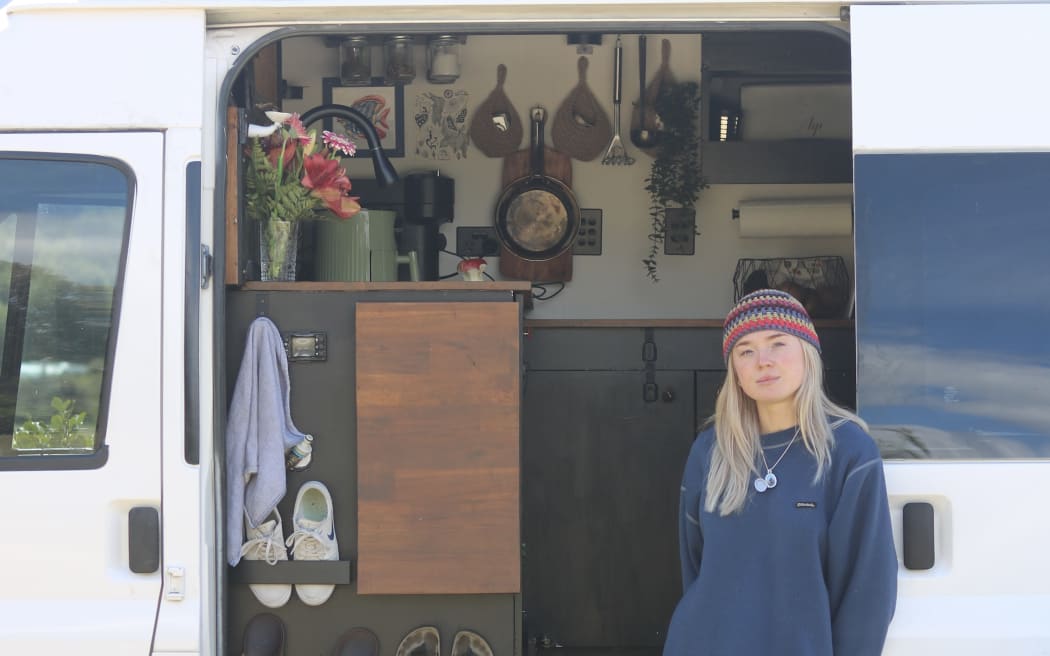
The demand for staff in Queenstown has reached unprecedented levels, yet many workers find it increasingly impossible to afford living in the area. According to recruiters and unions, this dilemma is driving employees away shortly after they arrive, exacerbating the already challenging job market.
Despite record-high visitor spending and numerous job vacancies, there is a widening gap between average pay rates and the cost of living in the region. For instance, hospitality roles in Queenstown offer an average wage of $28.51 per hour, which is just 2.4 percent higher than the national average. In stark contrast, the average worker in Queenstown earns $69,788, which is 12 percent below the New Zealand average.
Living Costs Outpace Wages
The living situation for many is dire. Orla Marshall, a café worker from Scotland, shared her experience of living in a van after finding accommodation too expensive last winter. Although she initially rented a room with her partner in Fernhill at a below-average rate of $220 per week, the costs of heating were exorbitant. “A lot of our paycheque was going towards that,” she explained. “We did not necessarily find Queenstown to have higher wages, just higher prices.”
Data from Infometrics indicates that rent and house prices in the Queenstown Lakes District are the highest in New Zealand. The average weekly rent in Queenstown stands at $707, compared to the national average of $573. This situation has made living in the area increasingly unaffordable, with rents consuming an average of 27.2 percent of each renter’s income.
Marshall criticized local employers for expecting workers to survive on wages that do not reflect the high cost of living. “If there are customers coming in and tours happening, they are charging more, but paying you the same as they would anywhere else, which is quite ridiculous,” she said.
High Turnover and Recruitment Challenges
The high demand for workers has not translated into stability for employees. Simon Edmunds, regional organiser for Unite Union, highlighted the struggles individuals face in the hospitality sector. Many endure poor living conditions or take on second jobs to make ends meet. “You can do the equation—it does not work,” he stated, noting that some businesses still pay minimum wage of $23.50 per hour while charging between $300 and $400 for a room.
Edmunds pointed out that the national living wage of $29 per hour falls short of covering essential costs. “It is not just rent—food prices here are crazy expensive. Petrol is expensive, parking is incredibly expensive, and there are no provisions made for workers to get discounts,” he added.
In 2023, many workers resorted to living in their cars, tents, or hostels due to a severe shortage of rentals. As a result, a significant number are opting to seek opportunities elsewhere, either in other parts of New Zealand or even abroad. “A lot of people end up leaving,” Edmunds explained. “They come here with hopes, try it out, and find they are not saving money or are even going backwards.”
The recruitment landscape reflects these challenges. Shauna O’Sullivan, area sales manager for the recruitment company Remarkable People, confirmed that the demand for skilled workers in Queenstown is at an all-time high. “It is just crazy busy down here. I have been with the company for four years now, and this is the busiest it has ever been,” she said. Yet, she noted a troubling trend of high turnover, with many individuals leaving shortly after starting roles.
As O’Sullivan observed, “People do seem to be coming through and then leaving quite promptly. We place people into long-term roles, and then maybe a week or two later they come back and say, look, I cannot afford to live here.” Many are looking to Australia, where wages are perceived to be more attractive.
Edmunds remains skeptical about employers increasing wages to retain staff. He described Queenstown as evolving into a “high churn” economy, where businesses frequently recruit but offer low pay, particularly in the tourism sector. While there are some employers who value long-term staff, they are becoming increasingly rare.
“Queenstown has always been an expensive place to live,” he noted. “It should not just be a playground for the ultra-rich. What is to stop it from being a place where the people who actually run it and keep the shops open can also enjoy the rewards?”
As the situation continues to unfold, the challenge remains clear: Queenstown must find a sustainable balance between its thriving tourism economy and the needs of its workforce.










New $25 Million Funding Boosts Hospital Capacity Ahead of Winter

Discover Sleep Space’s Affordable Bach Bed Packages Today

Jury Dismissed in Sexual Assault Trial Over Misguided Questions

Wellington’s New Gallery Unveils Community-Driven Art Exhibition

All Whites Face Challenges as Injuries Strike Before World Cup

Heroic Bystander Rescues Swimmers from Dangerous Surf in Napier

Nina Oyama Returns to Crime Comedy in Deadloch Season 2

China Southern Airlines Offers Reliable Journey from Auckland to Vietnam

Nina Oyama Returns to Deadloch for Anticipated Season 2

Community Mourns Teens Lost in Mount Maunganui Landslide

Tributes Pour In for Lachlan Rofe, Reality Star, Dead at 47

Private Funeral Held for Dean Field and His Three Children

Funeral Planned for Field Siblings After Tragic House Fire

Netball New Zealand Stands Down Dame Noeline Taurua for Series

Julian Dennison Ties the Knot with Christian Baledrokadroka in New Zealand

Al Waha Motors Opens Flagship Jetour Showroom in Al Khor

Auckland’s Average Rent Surpasses $700 for Three-Bedroom Homes

New Research Reveals Simple Path to Enhanced Happiness
-
 Top Stories6 months ago
Community Mourns Teens Lost in Mount Maunganui Landslide
-
 Entertainment11 months ago
Tributes Pour In for Lachlan Rofe, Reality Star, Dead at 47
-
 World8 months ago
Private Funeral Held for Dean Field and His Three Children
-
 Top Stories8 months ago
Funeral Planned for Field Siblings After Tragic House Fire
-
 Sports11 months ago
Netball New Zealand Stands Down Dame Noeline Taurua for Series
-
 Entertainment6 months ago
Julian Dennison Ties the Knot with Christian Baledrokadroka in New Zealand
-
 Health6 months ago
Al Waha Motors Opens Flagship Jetour Showroom in Al Khor
-
 Business7 months ago
Auckland’s Average Rent Surpasses $700 for Three-Bedroom Homes
-
 Science9 months ago
New Research Reveals Simple Path to Enhanced Happiness
-

 Entertainment10 months ago
New ‘Maverick’ Chaser Joins Beat the Chasers Season Finale
-

 Lifestyle10 months ago
Maia Wilson Faces Backlash Following Taurua’s Suspension
-

 Sports9 months ago
All Blacks Star Damian McKenzie and Partner Announce Baby News