
Business
Teenagers Identified as Major Threats in Facial Recognition Trial

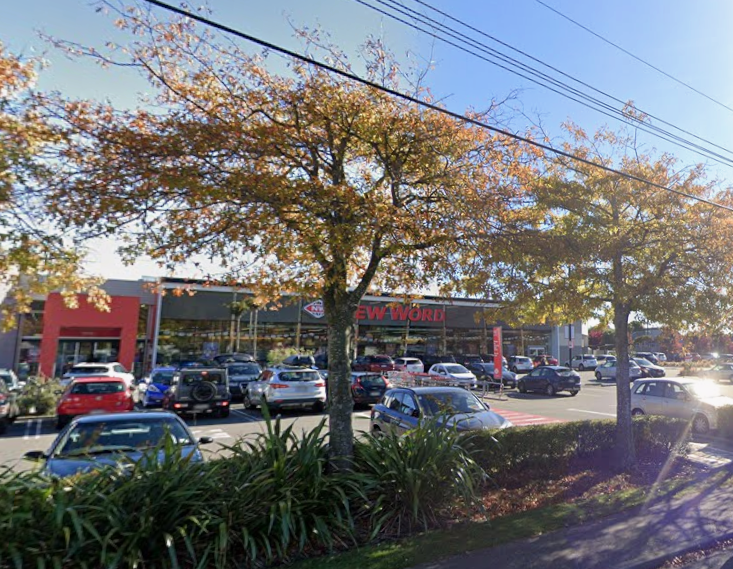
A recent report has revealed that teenagers represent a significant proportion of offenders identified through facial recognition systems being trialled in supermarkets in Christchurch, New Zealand. The trial, conducted by Foodstuffs South Island, has sparked discussions about the implications of using this technology in public spaces, particularly regarding privacy and safety.
The facial recognition trial is currently running in three stores: Pak’nSave in Redwood, Pak’nSave in Sydenham, and New World St Martins. According to the Privacy Impact Assessment released by Foodstuffs, the system is not intended to monitor vulnerable individuals or minors under the age of 18. Despite this, the assessment noted that six out of ten of the top offenders across the Foodstuffs South Island network were under 18.
“While six out of the top ten offenders are minors across the FSSI store network, no minors or vulnerable people will be included in the watchlist during the project,” the 26-page report stated. This raises questions about the effectiveness of the trial in addressing the behavior of younger individuals while adhering to privacy guidelines.
Foodstuffs South Island justified the introduction of facial recognition technology by highlighting an “escalating level of serious threatening behaviours” from repeat offenders. The company emphasized that the presence of minors among offenders does not diminish the trial’s focus on adult repeat offenders. A spokesperson for the company stated, “Excluding minors does not reduce the usefulness of the trial. Its purpose is to assess whether facial recognition technology can help our teams identify adult repeat offenders who have previously been involved in serious incidents, so they can step in early to prevent further harm.”
The ongoing trial, which started in October 2023, aims to understand how facial recognition can assist in identifying and managing repeat offenders. In the past year, Foodstuffs identified 206 repeat offenders across 38 stores in 32 suburbs, involved in over a thousand incidents of threatening behavior.
Details of the Trial and Technology Used
The facial recognition system operates with cameras that continuously record images. In a previous trial in North Island supermarkets, the technology scanned 226 million faces, resulting in 1,742 alerts, with 1,200 confirmed to be on watchlists. These watchlists contain individuals who have previously exhibited violent, threatening, or aggressive behavior. For a match to be flagged, the accuracy threshold is set at 92.5%. Once flagged, two trained store employees assess the situation and decide on the next steps, which may include contacting law enforcement or asking the individual to leave the store.
The Privacy Impact Assessment indicated that the North Island trial had been effective in reducing serious threatening behavior. The Office of the Privacy Commissioner evaluated this earlier trial and acknowledged that while the privacy intrusion level was high due to the collection of every visitor’s face, the implemented safeguards made it acceptable.
The current trial utilizes technology from Vix Vizion, an Australian firm known for its facial recognition accuracy, and Auror, a company previously focused on vehicle license plate recognition. Auror has now entered the facial recognition space, providing a system that creates a temporary biometric template of each shopper, which is discarded if there is no match with the watchlist.
Privacy Considerations and Future Implications
The privacy assessment for the current trial highlights that any detected incidents will be stored within the Auror platform for seven years, though the images themselves will be deleted on the same day. All personal information collected, including watchlist data, is stored on secure platforms, specifically Microsoft Azure Australia and Amazon Web Services in New Zealand and Australia.
Before launching the trial, Foodstuffs engaged with the Office of the Privacy Commissioner, promising to provide “high level” monthly updates on the trial’s progress. The biometric processing privacy code, which came into force on November 3, 2023, does not apply to this trial, but ongoing evaluations will be necessary to assess its impacts on privacy and public safety.
As this facial recognition trial progresses, the implications for both customer safety and privacy rights remain at the forefront of discussions surrounding its use in retail environments.










New $25 Million Funding Boosts Hospital Capacity Ahead of Winter

Discover Sleep Space’s Affordable Bach Bed Packages Today

Jury Dismissed in Sexual Assault Trial Over Misguided Questions

Wellington’s New Gallery Unveils Community-Driven Art Exhibition

All Whites Face Challenges as Injuries Strike Before World Cup

Heroic Bystander Rescues Swimmers from Dangerous Surf in Napier

Nina Oyama Returns to Crime Comedy in Deadloch Season 2

China Southern Airlines Offers Reliable Journey from Auckland to Vietnam

Nina Oyama Returns to Deadloch for Anticipated Season 2

Community Mourns Teens Lost in Mount Maunganui Landslide

Tributes Pour In for Lachlan Rofe, Reality Star, Dead at 47

Private Funeral Held for Dean Field and His Three Children

Funeral Planned for Field Siblings After Tragic House Fire

Netball New Zealand Stands Down Dame Noeline Taurua for Series

Al Waha Motors Opens Flagship Jetour Showroom in Al Khor

Julian Dennison Ties the Knot with Christian Baledrokadroka in New Zealand

Auckland’s Average Rent Surpasses $700 for Three-Bedroom Homes

New Research Reveals Simple Path to Enhanced Happiness
-
 Top Stories7 months ago
Community Mourns Teens Lost in Mount Maunganui Landslide
-
 Entertainment11 months ago
Tributes Pour In for Lachlan Rofe, Reality Star, Dead at 47
-
 World9 months ago
Private Funeral Held for Dean Field and His Three Children
-
 Top Stories9 months ago
Funeral Planned for Field Siblings After Tragic House Fire
-
 Sports11 months ago
Netball New Zealand Stands Down Dame Noeline Taurua for Series
-
 Health7 months ago
Al Waha Motors Opens Flagship Jetour Showroom in Al Khor
-
 Entertainment7 months ago
Julian Dennison Ties the Knot with Christian Baledrokadroka in New Zealand
-
 Business7 months ago
Auckland’s Average Rent Surpasses $700 for Three-Bedroom Homes
-
 Science10 months ago
New Research Reveals Simple Path to Enhanced Happiness
-

 Entertainment10 months ago
New ‘Maverick’ Chaser Joins Beat the Chasers Season Finale
-

 Lifestyle11 months ago
Maia Wilson Faces Backlash Following Taurua’s Suspension
-

 Sports10 months ago
All Blacks Star Damian McKenzie and Partner Announce Baby News