
Entertainment
Cameo CEO Discusses AI Challenges and Opportunities in Video Messages

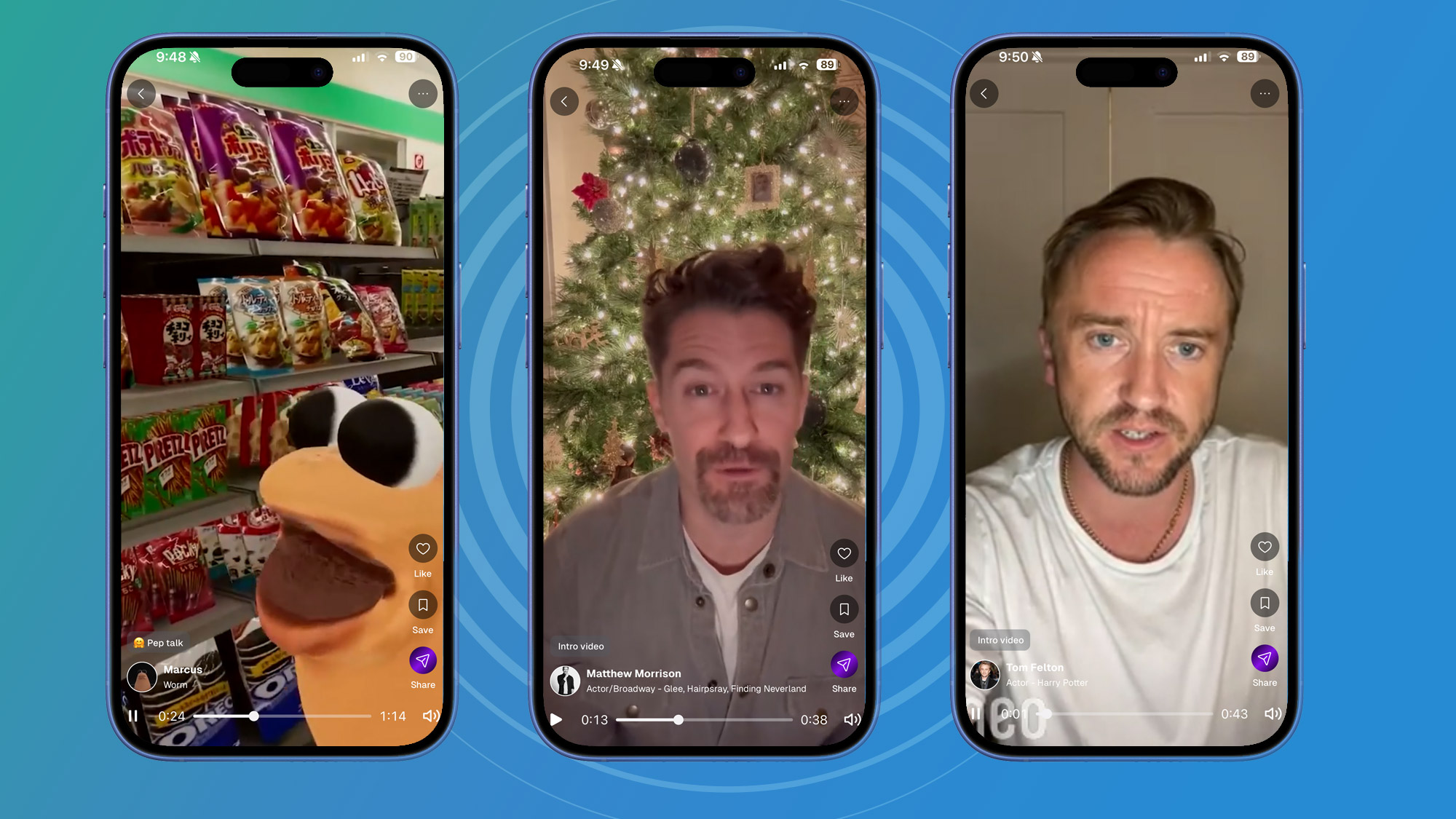
Cameo, the platform known for personalized video messages from celebrities, is navigating an increasingly complex landscape shaped by advancements in artificial intelligence. In a recent conversation, Cameo’s CEO and Co-founder Steve Galanis expressed concerns about the implications of AI in the industry, highlighting a shift towards what he describes as a “post-truth era.”
Founded in 2017, Cameo has become synonymous with celebrity shoutouts, allowing fans to request personalized messages from a wide range of entertainers. However, as AI technology evolves, the company faces unprecedented challenges. Galanis noted, “We’re entering…a post-truth era, where it’s almost impossible to tell if something’s real or not.”
Verification and Authenticity in the Age of AI
Cameo has implemented a robust verification process to authenticate the identities of celebrities on its platform. Users must submit images of their photo ID, along with banking information, to ensure they are engaging with real individuals. Despite these measures, Galanis acknowledged that this may no longer suffice in a world where AI-generated content is becoming increasingly sophisticated. “We weren’t worrying about this a year ago or two years ago; we didn’t see this happening,” he said.
Cameo actively verifies its talent but relies on customers to report instances of AI-generated videos. Galanis recounted an incident with a long-time talent who was found to be delivering AI-generated messages instead of authentic videos. “Even though it’s the real person that’s on Cameo, they were uploading AI versions of their video,” he explained. To combat this issue, Cameo employs digital watermarks through the Coalition for Content Provenance and Authenticity (C2PA) to help ensure the authenticity of its content.
Galanis is firm in his belief that addressing these authenticity issues is critical. “As a society, it’s vital that we go and solve these issues of real versus fake, authentic or not,” he stated.
Legal Challenges and Competitive Landscape
Cameo is also grappling with legal challenges stemming from competition with AI-driven platforms. OpenAI, the creator of the widely-used ChatGPT, recently launched the Sora app, enabling users to create AI-generated videos featuring themselves and celebrities. This development prompted Cameo to take legal action against OpenAI, as Galanis fears for the integrity of the Cameo brand.
“What if, suddenly, you had a product called Cameo that was all fake AI slop videos as opposed to the real ones?” he questioned. Concerns about brand reputation and search engine rankings are paramount for Cameo, which has crafted what Galanis refers to as “10 million magical moments.”
Despite early successes in their legal battles, Galanis remains vigilant. “We are in a David versus Goliath battle for our very existence,” he remarked. The implications of AI-generated content could fundamentally alter the landscape of personalized messaging services.
Galanis remains optimistic about the potential for AI to enhance Cameo and its offerings. He recognizes the transformative nature of AI and its ability to present new opportunities. For instance, Cameo has seen the emergence of AI-generated characters, such as Marcus the Worm, who can charge users $150 for personalized messages.
As the platform continues to adapt, Cameo is exploring collaborations with companies like Eleven Labs to leverage generative AI in innovative ways. In the past, attempts to include popular characters like the Minions from the Despicable Me franchise faced challenges due to the limited availability of voice actors. Now, AI technology opens avenues for monetizing voice work in new formats.
However, Galanis has concerns regarding the way AI companies develop their models and the potential misuse of intellectual property. “Our entire business relies on people being able and willing to pay a premium for the IP of the talent that we work with,” he explained. The risk of content theft and unauthorized use poses significant threats to both the talent and Cameo itself.
As Cameo navigates this rapidly shifting environment, Galanis emphasizes the importance of protecting the Name, Image, and Likeness (NIL) of the celebrities on the platform. He believes Cameo can serve as a steward for this valuable intellectual property, even as challenges continue to mount.
In an era where authenticity is questioned and AI capabilities advance daily, Steve Galanis and Cameo are at the forefront of defining how personalized content will evolve in the future.

New $25 Million Funding Boosts Hospital Capacity Ahead of Winter

Discover Sleep Space’s Affordable Bach Bed Packages Today

Jury Dismissed in Sexual Assault Trial Over Misguided Questions

Wellington’s New Gallery Unveils Community-Driven Art Exhibition

All Whites Face Challenges as Injuries Strike Before World Cup

Heroic Bystander Rescues Swimmers from Dangerous Surf in Napier

Nina Oyama Returns to Crime Comedy in Deadloch Season 2

China Southern Airlines Offers Reliable Journey from Auckland to Vietnam

Nina Oyama Returns to Deadloch for Anticipated Season 2

Community Mourns Teens Lost in Mount Maunganui Landslide

Tributes Pour In for Lachlan Rofe, Reality Star, Dead at 47

Private Funeral Held for Dean Field and His Three Children

Funeral Planned for Field Siblings After Tragic House Fire

Netball New Zealand Stands Down Dame Noeline Taurua for Series

Al Waha Motors Opens Flagship Jetour Showroom in Al Khor

Julian Dennison Ties the Knot with Christian Baledrokadroka in New Zealand

Auckland’s Average Rent Surpasses $700 for Three-Bedroom Homes

New Research Reveals Simple Path to Enhanced Happiness
-
 Top Stories7 months ago
Community Mourns Teens Lost in Mount Maunganui Landslide
-
 Entertainment11 months ago
Tributes Pour In for Lachlan Rofe, Reality Star, Dead at 47
-
 World9 months ago
Private Funeral Held for Dean Field and His Three Children
-
 Top Stories9 months ago
Funeral Planned for Field Siblings After Tragic House Fire
-
 Sports11 months ago
Netball New Zealand Stands Down Dame Noeline Taurua for Series
-
 Health7 months ago
Al Waha Motors Opens Flagship Jetour Showroom in Al Khor
-
 Entertainment7 months ago
Julian Dennison Ties the Knot with Christian Baledrokadroka in New Zealand
-
 Business7 months ago
Auckland’s Average Rent Surpasses $700 for Three-Bedroom Homes
-
 Science10 months ago
New Research Reveals Simple Path to Enhanced Happiness
-

 Entertainment10 months ago
New ‘Maverick’ Chaser Joins Beat the Chasers Season Finale
-

 Lifestyle11 months ago
Maia Wilson Faces Backlash Following Taurua’s Suspension
-

 Sports10 months ago
All Blacks Star Damian McKenzie and Partner Announce Baby News