
Entertainment
Internet Nostalgia: Why 2016 is Trending Again

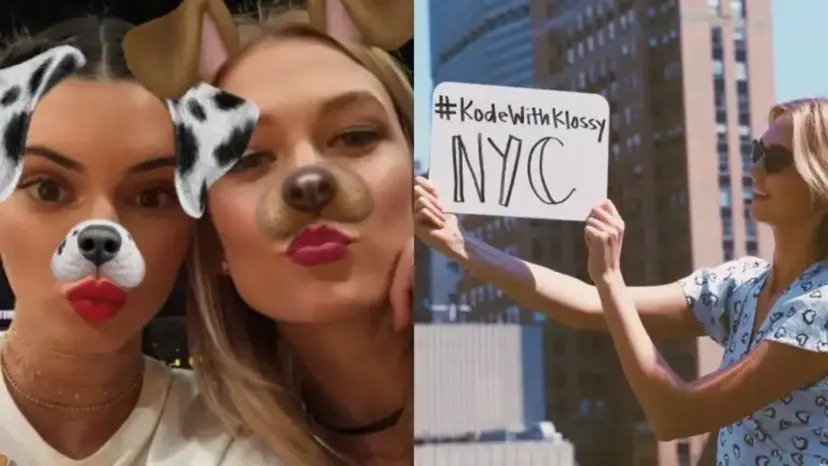
The internet is currently buzzing with nostalgia for the year 2016, as social media users across platforms reflect on a time they perceive as simpler and more carefree. This resurgence of interest has been particularly notable in New Zealand, where TikTok analytics show a spike in posts tagged with ‘#2016’. Over the past three years, around 3,000 TikTok posts featuring this hashtag have been made by New Zealand-based accounts, with approximately 32 percent of them shared in just the last week.
Nostalgia appears to be the driving force behind this trend. According to Duncan Shand, founder of a creative agency focused on social and digital media, many people are engaging with these memories as a form of escapism. He states, “I think it’s nostalgia; I think this is a throwback.” This sentiment resonates with users who remember the cultural markers of 2016, such as the popularity of Justin Bieber and Drake, the rise of apps like Snapchat, and trends that included colorful filters and flower crowns.
Reflection and Celebrity Participation
The trend has gained traction among celebrities as well. Notably, billionaire reality TV star Kim Kardashian shared a series of nostalgic images on her Instagram, captioning them, “I promise whatever happened to you in 2016, mine was crazier.” Politicians are also joining in; Nicola Willis, New Zealand’s Finance Minister, reminisced about her life in that year, indicating a collective longing for the past.
While many are looking back fondly, some experts caution against idealizing 2016. Batistich-Vogels, a social commentator, points out that the year also marked significant global events, including the onset of Brexit. Yet, she notes, “Nostalgia is a way for people to deal with trauma as well. It’s a way to feel a sense of security.” The current political climate and the aftermath of the pandemic have contributed to a feeling of uncertainty, prompting people to reflect on what they perceive as a more stable time.
The Power of Social Media Trends
The phenomenon of nostalgia on social media illustrates how trends can capture the collective consciousness. Mark McCrindle, an Australian social researcher, explains that trends like this resonate because they tap into a shared human experience. He states that for many, this nostalgia is not just a personal reflection but also a commentary on the current state of the world.
The algorithmic nature of social media amplifies certain trends, making them more visible to users. As Batistich-Vogels explains, “It’s a shareable, relatable thing. It’s being able to be part of something that we’re doing together, that is kind of interesting.” This shared experience has resulted in a surge of content that evokes memories from a decade ago, engaging multiple generations in the process.
As 2026 approaches, people are not only reminiscing about their past but also hoping for a return to a perceived normalcy. Shand suggests that many are looking to 2026 as a year that might offer a more straightforward existence compared to the complexities of recent years. “We’re all clinging on to the hope that 2026 is going to be more normal, boring, straightforward,” he states.
Ultimately, the trend showcases a desire for connection and reflection, revealing how social media serves as a platform for collective memory and emotional expression. The nostalgia for 2016, whether it is rooted in genuine sentiment or a longing for simpler times, continues to resonate widely, proving that the past still holds significant sway over our present.









New $25 Million Funding Boosts Hospital Capacity Ahead of Winter

Discover Sleep Space’s Affordable Bach Bed Packages Today

Jury Dismissed in Sexual Assault Trial Over Misguided Questions

Wellington’s New Gallery Unveils Community-Driven Art Exhibition

All Whites Face Challenges as Injuries Strike Before World Cup

Heroic Bystander Rescues Swimmers from Dangerous Surf in Napier

Nina Oyama Returns to Crime Comedy in Deadloch Season 2

China Southern Airlines Offers Reliable Journey from Auckland to Vietnam

Nina Oyama Returns to Deadloch for Anticipated Season 2

Community Mourns Teens Lost in Mount Maunganui Landslide

Tributes Pour In for Lachlan Rofe, Reality Star, Dead at 47

Private Funeral Held for Dean Field and His Three Children

Funeral Planned for Field Siblings After Tragic House Fire

Netball New Zealand Stands Down Dame Noeline Taurua for Series

Al Waha Motors Opens Flagship Jetour Showroom in Al Khor

Julian Dennison Ties the Knot with Christian Baledrokadroka in New Zealand

Auckland’s Average Rent Surpasses $700 for Three-Bedroom Homes

New Research Reveals Simple Path to Enhanced Happiness
-
 Top Stories7 months ago
Community Mourns Teens Lost in Mount Maunganui Landslide
-
 Entertainment11 months ago
Tributes Pour In for Lachlan Rofe, Reality Star, Dead at 47
-
 World9 months ago
Private Funeral Held for Dean Field and His Three Children
-
 Top Stories9 months ago
Funeral Planned for Field Siblings After Tragic House Fire
-
 Sports11 months ago
Netball New Zealand Stands Down Dame Noeline Taurua for Series
-
 Health7 months ago
Al Waha Motors Opens Flagship Jetour Showroom in Al Khor
-
 Entertainment7 months ago
Julian Dennison Ties the Knot with Christian Baledrokadroka in New Zealand
-
 Business7 months ago
Auckland’s Average Rent Surpasses $700 for Three-Bedroom Homes
-
 Science10 months ago
New Research Reveals Simple Path to Enhanced Happiness
-

 Entertainment10 months ago
New ‘Maverick’ Chaser Joins Beat the Chasers Season Finale
-

 Lifestyle10 months ago
Maia Wilson Faces Backlash Following Taurua’s Suspension
-

 Sports10 months ago
All Blacks Star Damian McKenzie and Partner Announce Baby News