
Health
David Seymour Promotes New Zealand as Medicinal Cannabis Export Leader

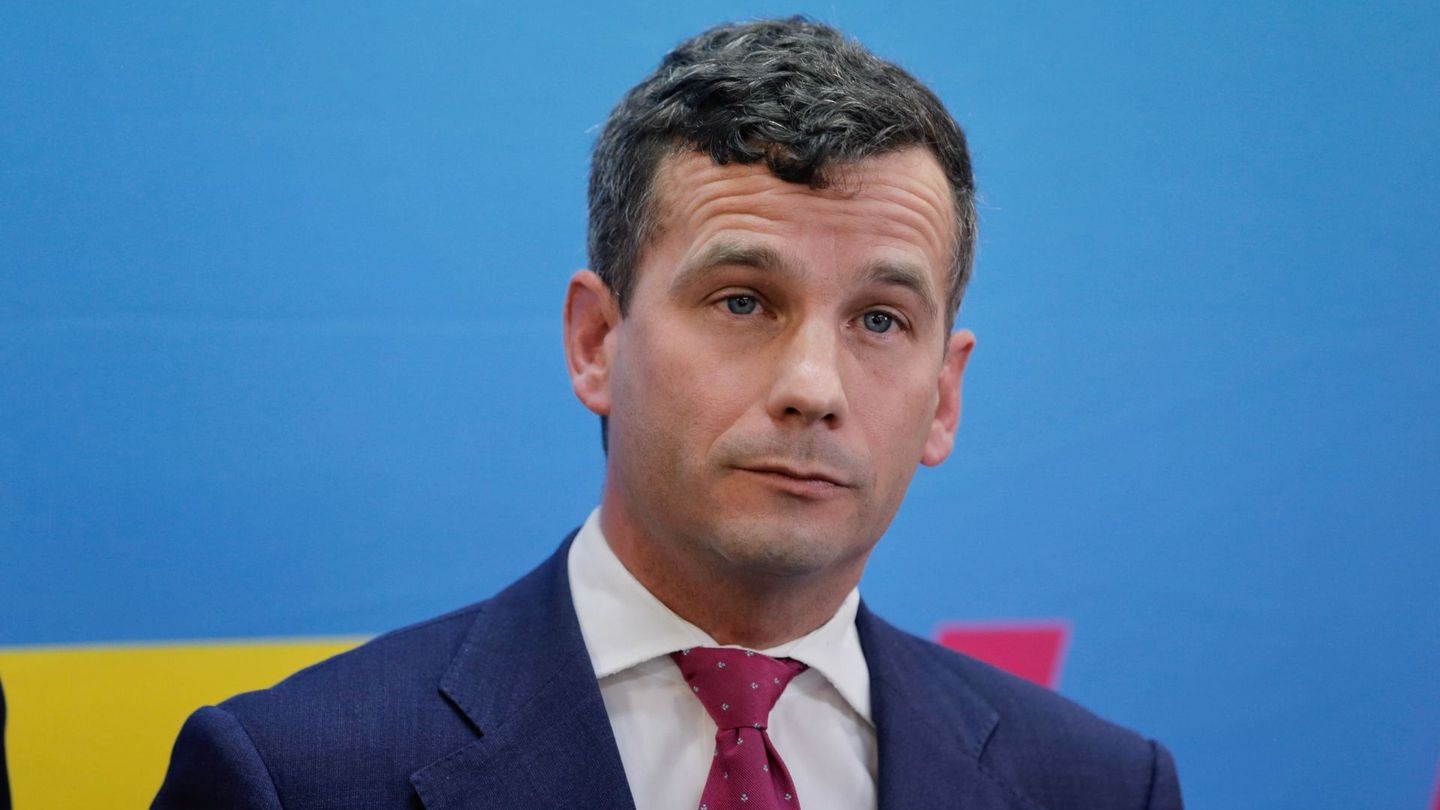
David Seymour, New Zealand’s Associate Minister of Health, advocates for the country to become a major player in the global medicinal cannabis market. He envisions a future where New Zealand mirrors the success of its wine industry, capitalizing on the increasing demand for medicinal cannabis products.
According to a recent report from the Ministry of Health, New Zealand exported over one tonne of cannabis flower in 2024, more than double the 485.6 kilograms exported in 2023. This growth continues from 184.3 kilograms in 2022 and 49 kilograms in 2021. The document, obtained through the Official Information Act, highlights a significant upward trend in the country’s medicinal cannabis exports.
Export Growth and Market Potential
The Ministry of Health classifies a medicinal cannabis product as either dried cannabis flower or pharmaceuticals derived from the cannabis plant. The primary markets for New Zealand’s medicinal cannabis exports include Australia, Portugal, and Uruguay. The ministry’s briefing to Seymour noted that regulatory changes have facilitated this growth, removing barriers for exporters.
Seymour indicated that he is exploring further amendments to regulations, both for the export market and domestic sales. Currently, vendors must hold a medicinal cannabis licence and seek a controlled drug export licence from Medsafe for each shipment. Officials are considering the potential for broader export licences that would cover multiple consignments.
The average processing time for export licence applications has improved, with an average wait of ten days noted in the 2024/25 financial year. Medsafe is also working to streamline the application process through automated systems and enhanced online services.
Vision for New Zealand’s Cannabis Industry
Seymour expressed optimism about the industry’s potential, stating that medicinal cannabis could become a lucrative export similar to New Zealand’s wine sector. “Medicinal cannabis is some people’s drug of choice, and they’re prepared to pay a lot of money for it,” he remarked. He emphasized the need for the government to facilitate a more efficient export framework, reducing bureaucracy and red tape.
“We need to get money into the country,” Seymour stated. “Not everybody likes this stuff, but there’s a market for it.” He acknowledged that while not everyone supports medicinal cannabis, the demand is undeniable.
Medsafe has committed to balancing the regulatory requirements of the Misuse of Drugs Act with the operational needs of businesses in the sector. The agency is actively engaging with industry stakeholders to understand their challenges and to identify potential improvements.
Seymour highlighted recent reforms that have led to a 56% increase in the speed of processing export licences compared to 2023. He praised these advancements, noting, “As a result of improvements within Medsafe, export licenses are being processed faster.”
The Ministry of Health has also observed improvements in application processing times. “While the effect of the improvements will take time to flow through, timeframes are already improving,” Medsafe stated.
As New Zealand continues to enhance its position in the medicinal cannabis market, the government’s commitment to reducing barriers and fostering growth signals a promising future for this emerging industry. Azaria Howell, a multimedia reporter based in Parliament’s press gallery, emphasizes the importance of public service agency reform in this evolving landscape.










New $25 Million Funding Boosts Hospital Capacity Ahead of Winter

Discover Sleep Space’s Affordable Bach Bed Packages Today

Jury Dismissed in Sexual Assault Trial Over Misguided Questions

Wellington’s New Gallery Unveils Community-Driven Art Exhibition

All Whites Face Challenges as Injuries Strike Before World Cup

Heroic Bystander Rescues Swimmers from Dangerous Surf in Napier

Nina Oyama Returns to Crime Comedy in Deadloch Season 2

China Southern Airlines Offers Reliable Journey from Auckland to Vietnam

Nina Oyama Returns to Deadloch for Anticipated Season 2

Community Mourns Teens Lost in Mount Maunganui Landslide

Tributes Pour In for Lachlan Rofe, Reality Star, Dead at 47

Private Funeral Held for Dean Field and His Three Children

Funeral Planned for Field Siblings After Tragic House Fire

Netball New Zealand Stands Down Dame Noeline Taurua for Series

Al Waha Motors Opens Flagship Jetour Showroom in Al Khor

Julian Dennison Ties the Knot with Christian Baledrokadroka in New Zealand

Auckland’s Average Rent Surpasses $700 for Three-Bedroom Homes

New Research Reveals Simple Path to Enhanced Happiness
-
 Top Stories7 months ago
Community Mourns Teens Lost in Mount Maunganui Landslide
-
 Entertainment11 months ago
Tributes Pour In for Lachlan Rofe, Reality Star, Dead at 47
-
 World9 months ago
Private Funeral Held for Dean Field and His Three Children
-
 Top Stories9 months ago
Funeral Planned for Field Siblings After Tragic House Fire
-
 Sports11 months ago
Netball New Zealand Stands Down Dame Noeline Taurua for Series
-
 Health7 months ago
Al Waha Motors Opens Flagship Jetour Showroom in Al Khor
-
 Entertainment7 months ago
Julian Dennison Ties the Knot with Christian Baledrokadroka in New Zealand
-
 Business7 months ago
Auckland’s Average Rent Surpasses $700 for Three-Bedroom Homes
-
 Science10 months ago
New Research Reveals Simple Path to Enhanced Happiness
-

 Entertainment10 months ago
New ‘Maverick’ Chaser Joins Beat the Chasers Season Finale
-

 Lifestyle11 months ago
Maia Wilson Faces Backlash Following Taurua’s Suspension
-

 Sports10 months ago
All Blacks Star Damian McKenzie and Partner Announce Baby News