
Health
Embracing the Joys of Aging: The Life of an Older Dog

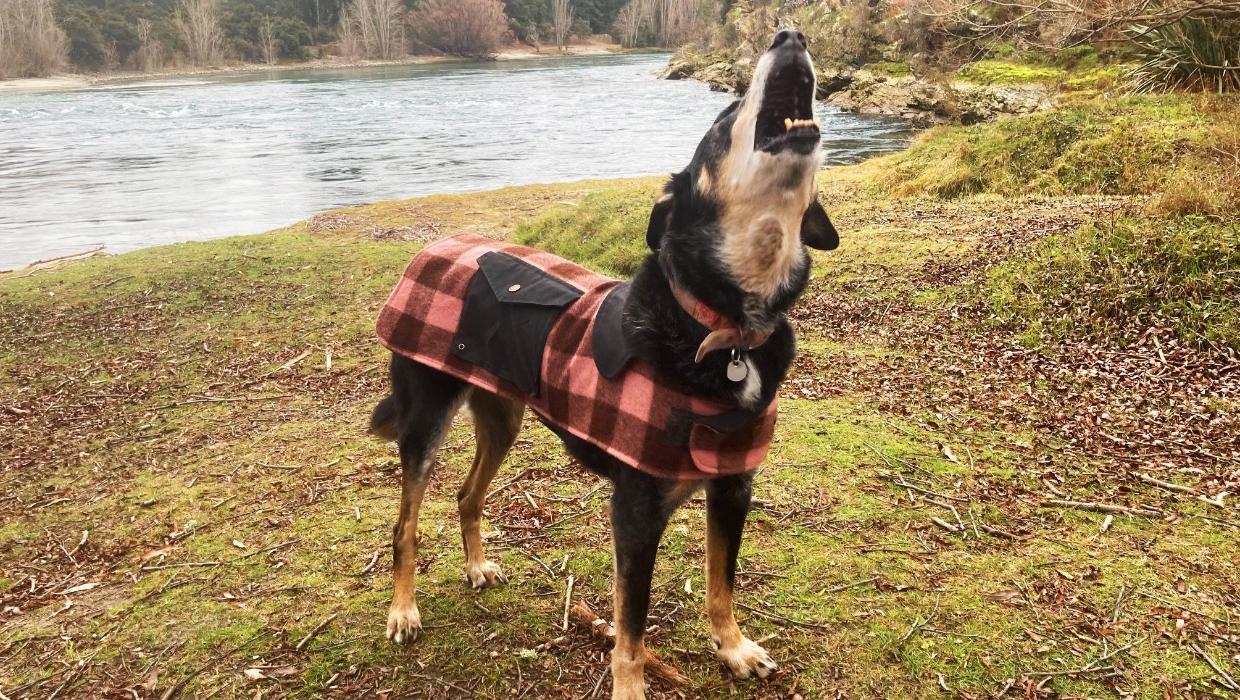
As dogs age, their lives inevitably change. The walks become shorter, and the pace slows down, yet there is still a wealth of enjoyment to be found. For pet owners, understanding and adapting to the needs of older dogs can enhance the quality of life for their beloved companions.
The experience of an older dog often brings a shift in routine. While younger dogs may thrive on vigorous activity, senior dogs appreciate a more leisurely approach. According to veterinary experts, physical limitations frequently arise as dogs age, including joint stiffness and reduced stamina. Pet owners are encouraged to modify their daily activities to accommodate these changes, ensuring their pets remain engaged and happy.
Finding New Routines
Shorter walks do not equate to a lack of enjoyment. In fact, they can provide ample opportunity for exploration and bonding. Many older dogs find joy in familiar environments, such as local parks or even their own backyards. This familiarity can stimulate their senses and offer comfort. Animal behaviorists recommend incorporating interactive elements into these walks, such as allowing dogs to sniff and explore at their own pace.
One important aspect of caring for an older dog is recognizing the signs of discomfort or fatigue. According to the American Veterinary Medical Association, pet owners should monitor their dogs closely during walks. If a dog appears to be struggling, it is crucial to adjust the activity accordingly. This might mean taking more frequent breaks or shortening the duration of outings altogether.
The Benefits of Adaptation
Adapting to an older dog’s needs not only enhances their well-being but also strengthens the bond between pet and owner. Engaging in gentle activities, such as low-impact play or even puzzle games, can provide mental stimulation and help maintain cognitive function. This is particularly important, as studies have shown that cognitive decline can affect dogs just as it does humans.
Furthermore, creating a supportive home environment can contribute significantly to an older dog’s quality of life. Ensuring easy access to comfortable resting areas and providing ramps or other aids can make a substantial difference. Animal welfare organizations emphasize the importance of adjusting living spaces to accommodate aging pets, as this fosters independence and comfort.
While life with an older dog may require adjustments, the rewards are plentiful. Pet owners often report a deeper connection with their pets as they navigate this stage of life together. The lessons learned during this time can be invaluable, emphasizing patience, compassion, and the simple pleasures found in everyday moments.
In conclusion, the lives of older dogs can be rich with happiness, even as their physical capabilities change. By embracing a slower pace and being attentive to their needs, pet owners can ensure their canine companions continue to thrive, providing joy and companionship well into their golden years.

New $25 Million Funding Boosts Hospital Capacity Ahead of Winter

Discover Sleep Space’s Affordable Bach Bed Packages Today

Jury Dismissed in Sexual Assault Trial Over Misguided Questions

Wellington’s New Gallery Unveils Community-Driven Art Exhibition

All Whites Face Challenges as Injuries Strike Before World Cup

Heroic Bystander Rescues Swimmers from Dangerous Surf in Napier

Nina Oyama Returns to Crime Comedy in Deadloch Season 2

China Southern Airlines Offers Reliable Journey from Auckland to Vietnam

Nina Oyama Returns to Deadloch for Anticipated Season 2

Community Mourns Teens Lost in Mount Maunganui Landslide

Tributes Pour In for Lachlan Rofe, Reality Star, Dead at 47

Private Funeral Held for Dean Field and His Three Children

Funeral Planned for Field Siblings After Tragic House Fire

Al Waha Motors Opens Flagship Jetour Showroom in Al Khor

Netball New Zealand Stands Down Dame Noeline Taurua for Series

Julian Dennison Ties the Knot with Christian Baledrokadroka in New Zealand

Auckland’s Average Rent Surpasses $700 for Three-Bedroom Homes

New Research Reveals Simple Path to Enhanced Happiness
-
 Top Stories7 months ago
Community Mourns Teens Lost in Mount Maunganui Landslide
-
 Entertainment12 months ago
Tributes Pour In for Lachlan Rofe, Reality Star, Dead at 47
-
 World9 months ago
Private Funeral Held for Dean Field and His Three Children
-
 Top Stories9 months ago
Funeral Planned for Field Siblings After Tragic House Fire
-
 Health7 months ago
Al Waha Motors Opens Flagship Jetour Showroom in Al Khor
-
 Sports12 months ago
Netball New Zealand Stands Down Dame Noeline Taurua for Series
-
 Entertainment7 months ago
Julian Dennison Ties the Knot with Christian Baledrokadroka in New Zealand
-
 Business8 months ago
Auckland’s Average Rent Surpasses $700 for Three-Bedroom Homes
-
 Science10 months ago
New Research Reveals Simple Path to Enhanced Happiness
-

 Entertainment11 months ago
New ‘Maverick’ Chaser Joins Beat the Chasers Season Finale
-

 Lifestyle11 months ago
Maia Wilson Faces Backlash Following Taurua’s Suspension
-

 Sports10 months ago
All Blacks Star Damian McKenzie and Partner Announce Baby News