
Health
Maximize Freshness: Essential Tips for Storing Fruits and Vegetables

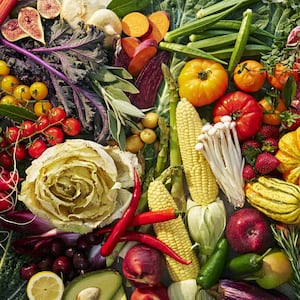
Maintaining the freshness of fruits and vegetables can significantly enhance their taste and nutritional value. A recent guide published by the New York Times outlines effective strategies for storing produce, emphasizing the importance of proper techniques to prolong shelf life.
Research from the United States Department of Agriculture (USDA) indicates that improper storage can lead to rapid spoilage, resulting in waste. The guide provides actionable insights on how to keep fruits and vegetables fresh for as long as possible, catering to a wide range of produce.
Understanding Storage Needs
Different types of fruits and vegetables have unique storage requirements. For instance, most apples should be refrigerated to maintain their crispness, while certain vegetables, like potatoes, thrive in cool, dark environments away from moisture. The National Institute of Health (NIH) suggests that understanding these specific needs is crucial for reducing waste and ensuring quality.
Research shows that the ideal temperature for most vegetables is around 0 to 4 degrees Celsius. By storing them at the right temperature, consumers can extend the freshness of their produce significantly. Additionally, ethylene-producing fruits, such as bananas and avocados, should be kept separate from other produce to prevent premature ripening and spoilage.
Practical Tips for Consumers
Apart from temperature control, the guide recommends several practical storage tips. For example, leafy greens should be washed and dried thoroughly before being placed in a container lined with a paper towel to absorb excess moisture. Similarly, storing tomatoes at room temperature rather than in the fridge is advised, as refrigeration can diminish their flavor and texture.
The New York Times emphasizes the significance of checking for any signs of spoilage regularly. Removing spoiled items promptly can prevent them from affecting the freshness of adjacent fruits and vegetables.
In addition to temperature and moisture control, the guide highlights the importance of using breathable storage containers. Items such as mesh bags or perforated containers can help maintain airflow and keep produce from becoming overly moist, which often leads to faster spoilage.
The advice provided not only applies to individual households but also serves as a reminder for retailers and restaurants to refine their storage practices. Proper training on produce handling can significantly reduce waste in the food supply chain, impacting overall sustainability efforts.
By implementing these straightforward techniques, consumers can enjoy fresher produce while also contributing to reducing food waste, a growing concern worldwide. Keeping fruits and vegetables in optimal condition not only enhances their flavor but also ensures that they retain their nutritional benefits for longer periods.













New $25 Million Funding Boosts Hospital Capacity Ahead of Winter

Discover Sleep Space’s Affordable Bach Bed Packages Today

Jury Dismissed in Sexual Assault Trial Over Misguided Questions

Wellington’s New Gallery Unveils Community-Driven Art Exhibition

All Whites Face Challenges as Injuries Strike Before World Cup

Heroic Bystander Rescues Swimmers from Dangerous Surf in Napier

Nina Oyama Returns to Crime Comedy in Deadloch Season 2

China Southern Airlines Offers Reliable Journey from Auckland to Vietnam

Nina Oyama Returns to Deadloch for Anticipated Season 2

Community Mourns Teens Lost in Mount Maunganui Landslide

Tributes Pour In for Lachlan Rofe, Reality Star, Dead at 47

Private Funeral Held for Dean Field and His Three Children

Funeral Planned for Field Siblings After Tragic House Fire

Netball New Zealand Stands Down Dame Noeline Taurua for Series

Julian Dennison Ties the Knot with Christian Baledrokadroka in New Zealand

Al Waha Motors Opens Flagship Jetour Showroom in Al Khor

Auckland’s Average Rent Surpasses $700 for Three-Bedroom Homes

New Research Reveals Simple Path to Enhanced Happiness
-
 Top Stories6 months ago
Community Mourns Teens Lost in Mount Maunganui Landslide
-
 Entertainment11 months ago
Tributes Pour In for Lachlan Rofe, Reality Star, Dead at 47
-
 World8 months ago
Private Funeral Held for Dean Field and His Three Children
-
 Top Stories8 months ago
Funeral Planned for Field Siblings After Tragic House Fire
-
 Sports11 months ago
Netball New Zealand Stands Down Dame Noeline Taurua for Series
-
 Entertainment6 months ago
Julian Dennison Ties the Knot with Christian Baledrokadroka in New Zealand
-
 Health6 months ago
Al Waha Motors Opens Flagship Jetour Showroom in Al Khor
-
 Business7 months ago
Auckland’s Average Rent Surpasses $700 for Three-Bedroom Homes
-
 Science9 months ago
New Research Reveals Simple Path to Enhanced Happiness
-

 Entertainment10 months ago
New ‘Maverick’ Chaser Joins Beat the Chasers Season Finale
-

 Lifestyle10 months ago
Maia Wilson Faces Backlash Following Taurua’s Suspension
-

 Sports9 months ago
All Blacks Star Damian McKenzie and Partner Announce Baby News