
Health
New Research Reveals Risks of Sleep Tracking Devices in New Zealand

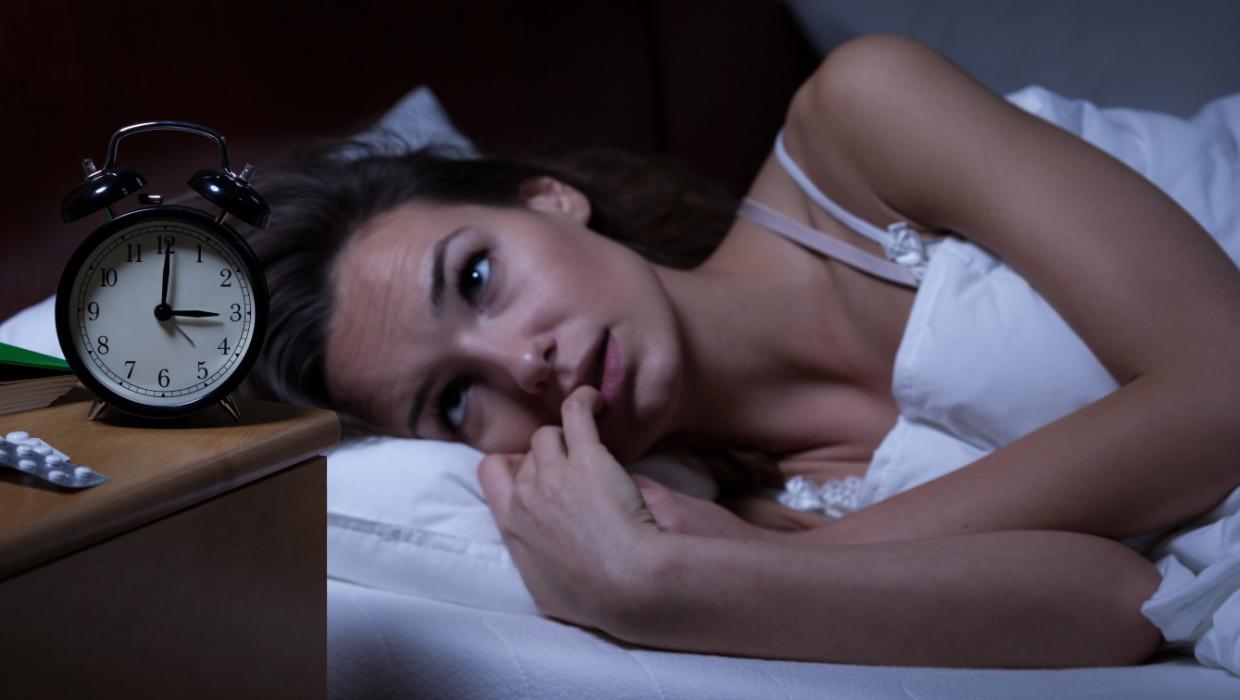
The rise of sleep tracking devices in New Zealand has sparked concerns about a phenomenon known as “orthosomnia.” Recent statistics indicate that approximately 41% of New Zealanders are now using these devices, yet nearly 30% report not getting enough quality sleep. This paradox suggests that the pursuit of perfect sleep might be counterproductive, leading to increased anxiety around sleep quality.
A study conducted by the Sleep Health Foundation highlights that while many individuals are eager to monitor their sleep patterns, this obsession can create stress and lead to insomnia. The term “orthosomnia” describes this condition, where individuals become overly focused on achieving ideal sleep metrics, often resulting in the opposite effect.
Understanding Orthosomnia
Orthosomnia occurs when the data provided by sleep tracking devices causes users to fixate on their sleep scores, rather than enjoying restful sleep. This fixation can lead to sleepless nights filled with anxiety about how well one has slept, ultimately disrupting the very rest users hope to achieve. The Sleep Health Foundation warns that this phenomenon may contribute to a cycle of sleeplessness and stress.
The foundation’s research shows that while technology can provide insights into sleep patterns, it can also create unrealistic expectations. Users may become frustrated if they do not meet the sleep standards set by their devices. This can lead to a heightened state of alertness at bedtime, making sleep even more elusive.
The Impact of Sleep Tracking Technology
As sleep tracking technology becomes more prevalent, health professionals are urging caution. The data generated by these devices can be misleading. Many factors influence sleep quality, including lifestyle choices, stress levels, and overall health, which these devices may not adequately consider.
Experts recommend that individuals focus on developing healthy sleep habits rather than fixating on data. Simple practices like maintaining a consistent sleep schedule, creating a relaxing bedtime routine, and minimizing screen time before bed can significantly improve sleep quality without the need for constant monitoring.
The growing trend of using sleep devices raises important questions about the balance between beneficial technology and mental health. As New Zealanders increasingly rely on these tools, it is crucial to recognize the potential downsides they may bring. With sleep being essential for overall well-being, understanding the implications of sleep tracking is more important than ever.
In summary, while sleep tracking devices can offer valuable insights, individuals should be wary of becoming overly reliant on them. The focus should shift towards fostering a healthy sleep environment and habits that promote relaxation and restorative rest.










New $25 Million Funding Boosts Hospital Capacity Ahead of Winter

Discover Sleep Space’s Affordable Bach Bed Packages Today

Jury Dismissed in Sexual Assault Trial Over Misguided Questions

Wellington’s New Gallery Unveils Community-Driven Art Exhibition

All Whites Face Challenges as Injuries Strike Before World Cup

Heroic Bystander Rescues Swimmers from Dangerous Surf in Napier

Nina Oyama Returns to Crime Comedy in Deadloch Season 2

China Southern Airlines Offers Reliable Journey from Auckland to Vietnam

Nina Oyama Returns to Deadloch for Anticipated Season 2

Community Mourns Teens Lost in Mount Maunganui Landslide

Tributes Pour In for Lachlan Rofe, Reality Star, Dead at 47

Private Funeral Held for Dean Field and His Three Children

Funeral Planned for Field Siblings After Tragic House Fire

Al Waha Motors Opens Flagship Jetour Showroom in Al Khor

Netball New Zealand Stands Down Dame Noeline Taurua for Series

Julian Dennison Ties the Knot with Christian Baledrokadroka in New Zealand

Auckland’s Average Rent Surpasses $700 for Three-Bedroom Homes

New Research Reveals Simple Path to Enhanced Happiness
-
 Top Stories7 months ago
Community Mourns Teens Lost in Mount Maunganui Landslide
-
 Entertainment12 months ago
Tributes Pour In for Lachlan Rofe, Reality Star, Dead at 47
-
 World9 months ago
Private Funeral Held for Dean Field and His Three Children
-
 Top Stories9 months ago
Funeral Planned for Field Siblings After Tragic House Fire
-
 Health7 months ago
Al Waha Motors Opens Flagship Jetour Showroom in Al Khor
-
 Sports12 months ago
Netball New Zealand Stands Down Dame Noeline Taurua for Series
-
 Entertainment7 months ago
Julian Dennison Ties the Knot with Christian Baledrokadroka in New Zealand
-
 Business8 months ago
Auckland’s Average Rent Surpasses $700 for Three-Bedroom Homes
-
 Science10 months ago
New Research Reveals Simple Path to Enhanced Happiness
-

 Entertainment11 months ago
New ‘Maverick’ Chaser Joins Beat the Chasers Season Finale
-

 Lifestyle11 months ago
Maia Wilson Faces Backlash Following Taurua’s Suspension
-

 Sports10 months ago
All Blacks Star Damian McKenzie and Partner Announce Baby News