
Health
New Zealand Research Aims to Transform MS Treatment Through Cell Therapy

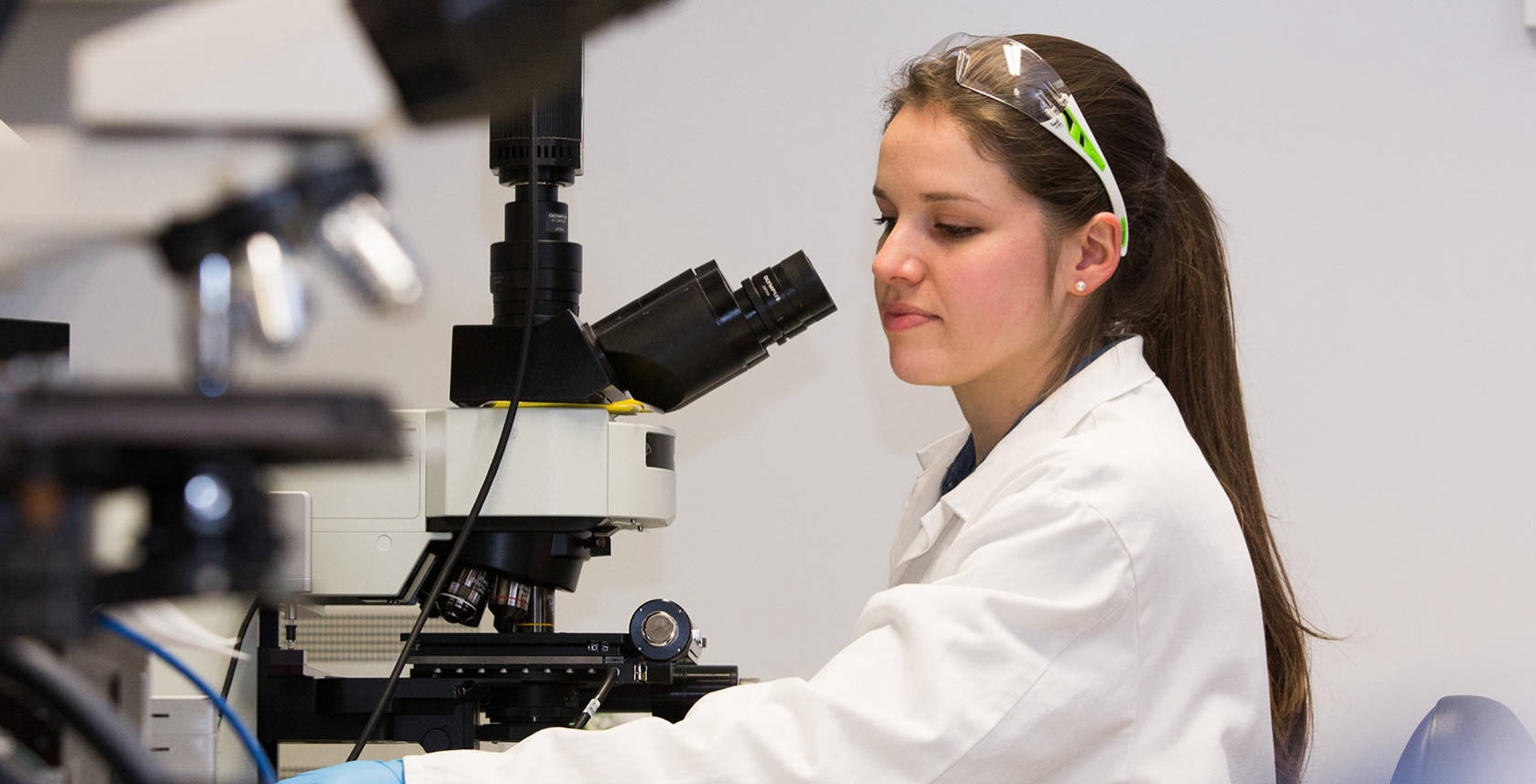
Research in New Zealand is taking a significant step toward understanding and potentially treating multiple sclerosis (MS) by focusing on brain cells derived from skin. This innovative approach comes during MS Awareness Week, which seeks to highlight the impact of this autoimmune disease, affecting approximately 1 in 1,000 New Zealanders and leading as a primary cause of disability among young adults.
MS occurs when the immune system mistakenly attacks the myelin sheath, a vital protective covering for neurons. This damage disrupts communication between the brain and other parts of the body, leading to a wide range of symptoms, including movement disorders, cognitive issues, and chronic fatigue. Currently, while there is no cure, treatments that modify disease progression can slow the rate of deterioration but do not repair existing damage.
Researchers are now focusing on a promising avenue: the regeneration of myelin through a process called remyelination. This is where oligodendrocytes, or “oligos,” come into play. These brain cells are responsible for producing myelin, and they can potentially be replenished from precursor cells when damaged. Unfortunately, over time, the immune response can hinder this natural repair mechanism, particularly in forms of MS such as relapsing-remitting MS (RRMS).
To address this challenge, a research team led by Professor Bronwen Connor has developed a method to convert human skin cells into oligo precursors. This method, termed reprogramming, allows scientists to generate new oligodendrocytes from readily accessible skin cells. With the support of neurologist Dr. Jennifer Pereira, they are establishing a biorepository of skin cells from individuals with various types of MS, including secondary progressive and primary progressive MS.
The significance of this biorepository extends beyond merely collecting samples. The data will help researchers analyze the efficiency of generating oligodendrocytes from skin cells of patients at different stages of MS. Understanding how these cells differ at a genetic and protein level could unveil new therapeutic targets and inform the development of novel drugs aimed at promoting remyelination.
With funding from the New Zealand Multiple Sclerosis Research Trust, the project has received a boost through the recently awarded HRC Emerging Researcher First grant. This support underscores the potential of the research to contribute valuable insights into personalized medicine. The ultimate goal is to develop a transplant therapy where reprogrammed human oligodendrocytes could replace lost cells, thereby restoring myelin and, by extension, normal neuronal function.
The international research community has been slow to focus on oligodendrocytes compared to other neuronal cells. However, their crucial role in the central nervous system is becoming increasingly recognized. This research aims to position New Zealand at the forefront of efforts to find effective therapies for MS. As the team looks to build their biorepository and explore these innovative treatment pathways, they hope to enhance the quality of life for those affected by MS, allowing them to regain functions many take for granted.
In summary, the exploration of transforming skin cells into brain cells represents a groundbreaking direction in MS research. The findings from this study could not only advance understanding of the disease but also pave the way for new therapies that could change the lives of many individuals struggling with the impacts of multiple sclerosis.










New $25 Million Funding Boosts Hospital Capacity Ahead of Winter

Discover Sleep Space’s Affordable Bach Bed Packages Today

Jury Dismissed in Sexual Assault Trial Over Misguided Questions

Wellington’s New Gallery Unveils Community-Driven Art Exhibition

All Whites Face Challenges as Injuries Strike Before World Cup

Heroic Bystander Rescues Swimmers from Dangerous Surf in Napier

Nina Oyama Returns to Crime Comedy in Deadloch Season 2

China Southern Airlines Offers Reliable Journey from Auckland to Vietnam

Nina Oyama Returns to Deadloch for Anticipated Season 2

Community Mourns Teens Lost in Mount Maunganui Landslide

Tributes Pour In for Lachlan Rofe, Reality Star, Dead at 47

Private Funeral Held for Dean Field and His Three Children

Funeral Planned for Field Siblings After Tragic House Fire

Netball New Zealand Stands Down Dame Noeline Taurua for Series

Al Waha Motors Opens Flagship Jetour Showroom in Al Khor

Julian Dennison Ties the Knot with Christian Baledrokadroka in New Zealand

Auckland’s Average Rent Surpasses $700 for Three-Bedroom Homes

New Research Reveals Simple Path to Enhanced Happiness
-
 Top Stories7 months ago
Community Mourns Teens Lost in Mount Maunganui Landslide
-
 Entertainment11 months ago
Tributes Pour In for Lachlan Rofe, Reality Star, Dead at 47
-
 World9 months ago
Private Funeral Held for Dean Field and His Three Children
-
 Top Stories9 months ago
Funeral Planned for Field Siblings After Tragic House Fire
-
 Sports11 months ago
Netball New Zealand Stands Down Dame Noeline Taurua for Series
-
 Health7 months ago
Al Waha Motors Opens Flagship Jetour Showroom in Al Khor
-
 Entertainment7 months ago
Julian Dennison Ties the Knot with Christian Baledrokadroka in New Zealand
-
 Business8 months ago
Auckland’s Average Rent Surpasses $700 for Three-Bedroom Homes
-
 Science10 months ago
New Research Reveals Simple Path to Enhanced Happiness
-

 Entertainment10 months ago
New ‘Maverick’ Chaser Joins Beat the Chasers Season Finale
-

 Lifestyle11 months ago
Maia Wilson Faces Backlash Following Taurua’s Suspension
-

 Sports10 months ago
All Blacks Star Damian McKenzie and Partner Announce Baby News