
Health
Recognizing Hidden Signs of Heart Disease: What You Need to Know

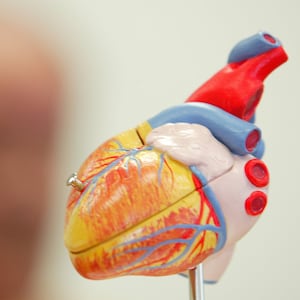
Heart disease remains a significant global health concern, claiming more than 18 million lives each year. While many associate heart attacks with the classic image of a stressed middle-aged male executive, the reality is that heart disease can affect anyone, and the symptoms are often subtle and overlooked.
According to Ruth Goss, a senior cardiac nurse at the British Heart Foundation, patients frequently misinterpret their symptoms. “I thought it was indigestion, then I went to hospital because it was a bit persistent, where they did an ECG, and to my astonishment I’d had a heart attack,” she recounts.
In the UK alone, cardiovascular disease is responsible for one in four deaths. On a typical day, 480 individuals will die from cardiovascular issues, with 270 hospital admissions due to heart attacks, as highlighted by Professor Dan Augustine, a cardiologist at the National Heart Clinic in Bath and medical director of Sports Cardiology UK.
Understanding the Symptoms
Heart disease can be hereditary, but lifestyle choices such as high cholesterol, smoking, lack of physical activity, and excessive alcohol consumption can significantly impact cardiovascular health. The symptoms of heart disease are generally categorized into three main types:
1. **Chest pain**, which can include angina, a condition where the heart muscle does not receive enough blood.
2. **Breathlessness**, often associated with heart failure.
3. **Palpitations**, which indicate heart rhythm disorders.
Despite these classifications, many individuals do not recognize non-traditional symptoms until it is too late. The misconception about heart attacks can lead to delayed treatment, which can have devastating consequences.
Importance of Awareness
Raising awareness about the broader range of symptoms associated with heart disease is crucial. Recognizing these signs can lead to earlier intervention and better outcomes for patients. Health organizations emphasize the need for education surrounding cardiovascular health to prevent avoidable deaths and improve overall public health.
Individuals are encouraged to pay attention to their bodies and consult healthcare professionals if they experience any persistent or unusual symptoms. Cardiovascular disease is both preventable and treatable; thus, understanding the risk factors and symptoms is vital for safeguarding heart health.
As healthcare providers continue to advocate for increased awareness, the hope is that fewer people will face the shocking realization of having suffered a heart attack. By recognizing the nuanced symptoms of heart disease, individuals can take proactive steps to protect their cardiovascular health and potentially save their lives.







New $25 Million Funding Boosts Hospital Capacity Ahead of Winter

Discover Sleep Space’s Affordable Bach Bed Packages Today

Jury Dismissed in Sexual Assault Trial Over Misguided Questions

Wellington’s New Gallery Unveils Community-Driven Art Exhibition

All Whites Face Challenges as Injuries Strike Before World Cup

Heroic Bystander Rescues Swimmers from Dangerous Surf in Napier

Nina Oyama Returns to Crime Comedy in Deadloch Season 2

China Southern Airlines Offers Reliable Journey from Auckland to Vietnam

Nina Oyama Returns to Deadloch for Anticipated Season 2

Community Mourns Teens Lost in Mount Maunganui Landslide

Tributes Pour In for Lachlan Rofe, Reality Star, Dead at 47

Private Funeral Held for Dean Field and His Three Children

Funeral Planned for Field Siblings After Tragic House Fire

Netball New Zealand Stands Down Dame Noeline Taurua for Series

Al Waha Motors Opens Flagship Jetour Showroom in Al Khor

Julian Dennison Ties the Knot with Christian Baledrokadroka in New Zealand

Auckland’s Average Rent Surpasses $700 for Three-Bedroom Homes

New Research Reveals Simple Path to Enhanced Happiness
-
 Top Stories6 months ago
Community Mourns Teens Lost in Mount Maunganui Landslide
-
 Entertainment11 months ago
Tributes Pour In for Lachlan Rofe, Reality Star, Dead at 47
-
 World8 months ago
Private Funeral Held for Dean Field and His Three Children
-
 Top Stories9 months ago
Funeral Planned for Field Siblings After Tragic House Fire
-
 Sports11 months ago
Netball New Zealand Stands Down Dame Noeline Taurua for Series
-
 Health6 months ago
Al Waha Motors Opens Flagship Jetour Showroom in Al Khor
-
 Entertainment7 months ago
Julian Dennison Ties the Knot with Christian Baledrokadroka in New Zealand
-
 Business7 months ago
Auckland’s Average Rent Surpasses $700 for Three-Bedroom Homes
-
 Science9 months ago
New Research Reveals Simple Path to Enhanced Happiness
-

 Entertainment10 months ago
New ‘Maverick’ Chaser Joins Beat the Chasers Season Finale
-

 Lifestyle10 months ago
Maia Wilson Faces Backlash Following Taurua’s Suspension
-

 Sports10 months ago
All Blacks Star Damian McKenzie and Partner Announce Baby News