
Lifestyle
Art Exhibition Connects Past and Present Refugee Stories

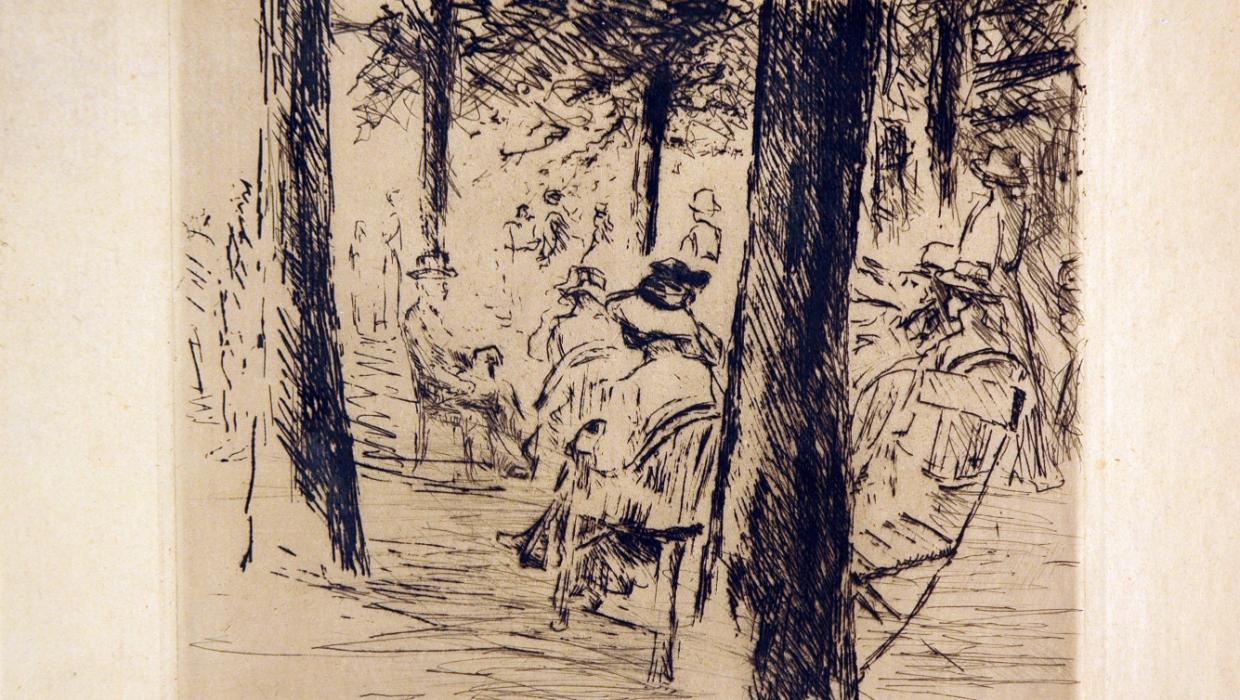
A new exhibition at Wellington’s Thistle Hall aims to illuminate the stories of German-Jewish refugees through art. Titled Refugee Stories Expressed in Art, the exhibition will run from January 9 to 17, 2026, showcasing a collection of artworks that reflect the experiences of two families uprooted during the Nazi regime.
The exhibition features pieces from the collections of Marie Vandewart Blaschke and John (Hans) Less, who fled Germany during one of the darkest chapters in history. Their journeys led them to New Jersey and New Zealand, respectively, and their stories resonate profoundly in today’s global climate, where many refugees face hostility and challenges.
Both families share a rich artistic heritage. Marie Vandewart Blaschke’s family began collecting mainly German impressionist and expressionist works in the late 19th and early 20th centuries. Meanwhile, John Less, who was only 16 when he escaped to Shanghai in 1940, faced enormous hardships. His family experienced cramped living conditions and limited resources while confined to the Hongkew Ghetto, a stark reality for about 20,000 Jewish refugees at the time.
John Less’s artistic voice evolved from these experiences. He explained, “My … [works] are shared impressions of what I have observed. Instead of explaining them in so many words, I prefer to express myself visually.” His figurative watercolors, created after his retirement in 1981, draw from sketches made during his youth in Shanghai. These pieces form part of an autobiographical narrative recently published in Steven Less‘s book, Dear Steven – Something to Remember Me By.
The exhibition also highlights the story of Marie Vandewart, who emigrated to New Zealand just before World War II began. Her relationship with Alfons Blaschke, a stained-glass artist from a Catholic family, faced insurmountable challenges under the Nazi regime. While Marie successfully entered New Zealand as a sponsored refugee, Alfons reached England on a tourist visa and was granted asylum. The couple reunited in post-war England before permanently migrating to New Zealand in 1951.
The artworks displayed at Thistle Hall, some of which were hidden during the war, were partially restored by Alfons. Over decades, he and Marie have maintained and expanded this collection, which now serves as a testament to resilience and hope. The exhibition’s pieces, reflecting themes of tragedy, surrealism, and tranquility, provide a window into the lives of those who experienced the upheaval of displacement.
As the world grapples with ongoing refugee crises, the exhibition serves as a poignant reminder of the human capacity to endure and create in the face of adversity. Paul and Anthony Blaschke, active in the art and classical music communities of Wellington and Auckland, are trustees of the Alfons and Marie Blaschke Arts Trust and have collaborated to curate this important showcase.
With a focus on the origins, flight, and resettlement of displaced individuals, Refugee Stories Expressed in Art invites viewers to reflect on the shared experiences of past and present refugees. The exhibition not only commemorates the history of German-Jewish families but also encourages contemporary audiences to engage with the challenges faced by today’s displaced populations.








New $25 Million Funding Boosts Hospital Capacity Ahead of Winter

Discover Sleep Space’s Affordable Bach Bed Packages Today

Jury Dismissed in Sexual Assault Trial Over Misguided Questions

Wellington’s New Gallery Unveils Community-Driven Art Exhibition

All Whites Face Challenges as Injuries Strike Before World Cup

Heroic Bystander Rescues Swimmers from Dangerous Surf in Napier

Nina Oyama Returns to Crime Comedy in Deadloch Season 2

China Southern Airlines Offers Reliable Journey from Auckland to Vietnam

Nina Oyama Returns to Deadloch for Anticipated Season 2

Community Mourns Teens Lost in Mount Maunganui Landslide

Tributes Pour In for Lachlan Rofe, Reality Star, Dead at 47

Private Funeral Held for Dean Field and His Three Children

Funeral Planned for Field Siblings After Tragic House Fire

Netball New Zealand Stands Down Dame Noeline Taurua for Series

Julian Dennison Ties the Knot with Christian Baledrokadroka in New Zealand

New Research Reveals Simple Path to Enhanced Happiness

New ‘Maverick’ Chaser Joins Beat the Chasers Season Finale

Maia Wilson Faces Backlash Following Taurua’s Suspension
-
 Top Stories6 months ago
Community Mourns Teens Lost in Mount Maunganui Landslide
-
 Entertainment10 months ago
Tributes Pour In for Lachlan Rofe, Reality Star, Dead at 47
-
 World8 months ago
Private Funeral Held for Dean Field and His Three Children
-
 Top Stories8 months ago
Funeral Planned for Field Siblings After Tragic House Fire
-
 Sports10 months ago
Netball New Zealand Stands Down Dame Noeline Taurua for Series
-
 Entertainment6 months ago
Julian Dennison Ties the Knot with Christian Baledrokadroka in New Zealand
-
 Science9 months ago
New Research Reveals Simple Path to Enhanced Happiness
-
 Entertainment9 months ago
New ‘Maverick’ Chaser Joins Beat the Chasers Season Finale
-
 Lifestyle9 months ago
Maia Wilson Faces Backlash Following Taurua’s Suspension
-

 Sports9 months ago
All Blacks Star Damian McKenzie and Partner Announce Baby News
-

 Sports10 months ago
Silver Ferns Legend Laura Langman Criticizes Team’s Attitude
-

 Health6 months ago
Al Waha Motors Opens Flagship Jetour Showroom in Al Khor