
Lifestyle
Celebrating the Nostalgic Essence of the Kiwi Bach Experience

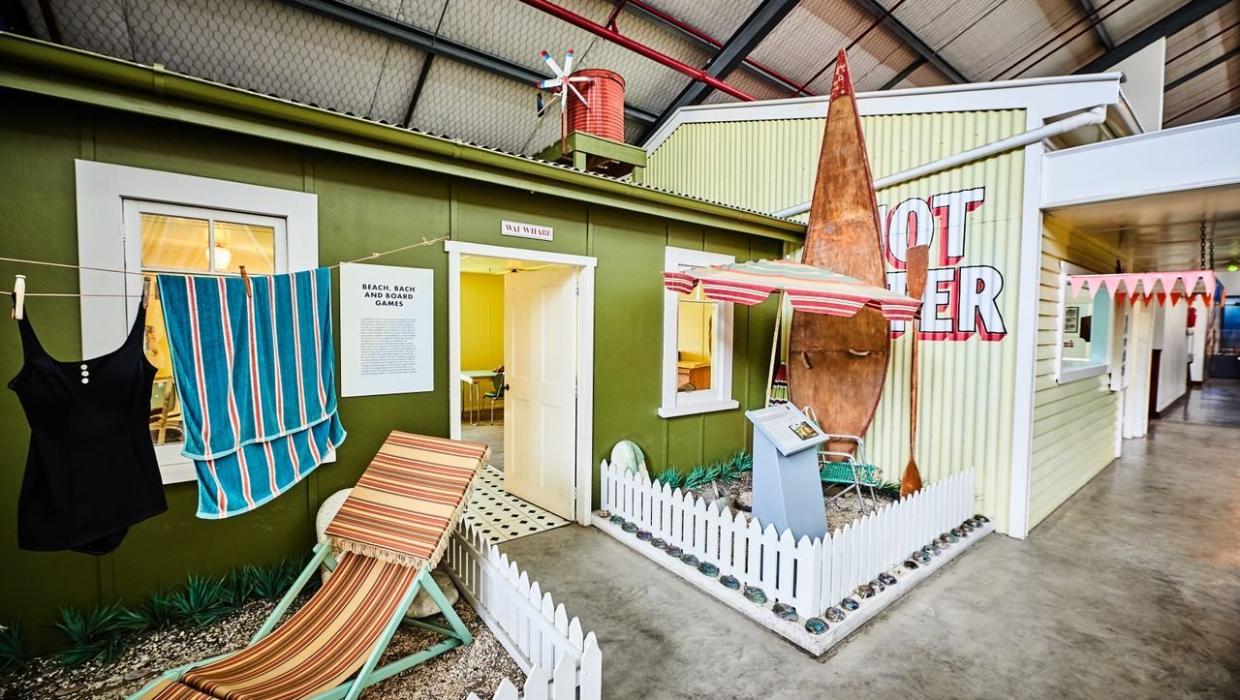
The iconic Kiwi bach, often referred to as a crib in southern regions of New Zealand, evokes a strong sense of nostalgia for many who experienced summer holidays in these simple beach houses during the 1970s. These family retreats were not just places to stay; they were a haven filled with memories of sun, sand, and the unique charm of a bygone era.
Life at the Bach in the 1970s
Reflecting on those days, one might imagine boys roaming in their Stubbies, while others donned towelling hats. Kids would surf on rudimentary polystyrene boards that left painful rashes on their arms, all the while navigating the saltwater without the benefit of rash shirts. Sunscreen was available but rarely applied, leading to inevitable sunburns that became a rite of passage.
Mothers and aunts would often be seen floating in the water, their oversized sunglasses shielding them from the sun, while their bathing caps adorned with rubber flowers bobbed along. The faded orange kapok life jackets, if present, were a source of uncertainty, raising questions about their actual buoyancy.
These humble beach houses were typically single-storey structures made from fibrolite, surrounded by gardens where geraniums, hydrangeas, and agapanthus thrived, provided the soil was not too sandy. The lawns, if they could be called such, were often a mixture of kikuyu grass and prickles, marked by a rotary clothesline and a rusted metal mushroom indicating the location of the septic tank.
At the end of summer, brown patches remained where tents once stood. The old push mower, with its dulled blades, tackled those remnants of camping, while the ubiquitous Norfolk Pines stood tall as silent witnesses to childhood adventures.
Quaint Interiors and Timeless Memories
Inside the bach, the bunkroom featured beds adorned with fringed candlewick bedspreads, with lovingly crocheted blankets stored for unexpected cold snaps. Art made from shells and driftwood decorated the walls, showcasing the creativity of rainy days spent indoors.
The sooty brick fireplace, largely unused in summer, often held a collection of spinifex and pinecones, a reminder of the cooler months. Kitchen utensils, remnants from the 1940s and 1950s, included wooden-handled rotary egg beaters and glass citrus squeezers designed to catch the seeds. Old refrigerators, often Kelvinator or Frigidaire brands, hummed away, housing a block of frost that dominated the freezer space.
Every kitchen boasted a battered tin teapot, often clad in a knitted cozy, alongside Formica tables in vibrant shades of red, turquoise, and butter. These tables served as gathering spots for family meals, while rag rugs adorned the floors, sometimes even clinging to the trunk of the outdoor toilet, sparking thoughts about cleanliness.
If a washhouse was present, it typically featured twin concrete tubs, ideal for rinsing off sandy children. The central agitator washing machine, equipped with a hand-wound wringer, was a source of fascination, as sheets were fed through the mangle, creating a spectacle of suds.
Bookshelves sagged under the weight of well-read novels, from Jilly Cooper’s romantic tales to the timeless stories in Readers’ Digest. Crockery in faded shades of brown and yellow lined the cupboards, while pots and pans showed signs of years of use. The unique scents that wafted from these cupboards were evocative, transporting one back to simpler times.
As the summer holiday approaches, nostalgia for the Kiwi bach experience grows stronger. It was a time when families made the most of what they had, when the warmth of the sun was embraced, and when the beach was a playground filled with life. Today’s children may have more distractions and luxuries, but the spirit of the bach remains a cherished piece of New Zealand’s cultural heritage.










New $25 Million Funding Boosts Hospital Capacity Ahead of Winter

Discover Sleep Space’s Affordable Bach Bed Packages Today

Jury Dismissed in Sexual Assault Trial Over Misguided Questions

Wellington’s New Gallery Unveils Community-Driven Art Exhibition

All Whites Face Challenges as Injuries Strike Before World Cup

Heroic Bystander Rescues Swimmers from Dangerous Surf in Napier

Nina Oyama Returns to Crime Comedy in Deadloch Season 2

China Southern Airlines Offers Reliable Journey from Auckland to Vietnam

Nina Oyama Returns to Deadloch for Anticipated Season 2

Community Mourns Teens Lost in Mount Maunganui Landslide

Tributes Pour In for Lachlan Rofe, Reality Star, Dead at 47

Private Funeral Held for Dean Field and His Three Children

Funeral Planned for Field Siblings After Tragic House Fire

Netball New Zealand Stands Down Dame Noeline Taurua for Series

Julian Dennison Ties the Knot with Christian Baledrokadroka in New Zealand

Auckland’s Average Rent Surpasses $700 for Three-Bedroom Homes

Al Waha Motors Opens Flagship Jetour Showroom in Al Khor

New Research Reveals Simple Path to Enhanced Happiness
-
 Top Stories6 months ago
Community Mourns Teens Lost in Mount Maunganui Landslide
-
 Entertainment11 months ago
Tributes Pour In for Lachlan Rofe, Reality Star, Dead at 47
-
 World8 months ago
Private Funeral Held for Dean Field and His Three Children
-
 Top Stories8 months ago
Funeral Planned for Field Siblings After Tragic House Fire
-
 Sports11 months ago
Netball New Zealand Stands Down Dame Noeline Taurua for Series
-
 Entertainment6 months ago
Julian Dennison Ties the Knot with Christian Baledrokadroka in New Zealand
-
 Business7 months ago
Auckland’s Average Rent Surpasses $700 for Three-Bedroom Homes
-
 Health6 months ago
Al Waha Motors Opens Flagship Jetour Showroom in Al Khor
-
 Science9 months ago
New Research Reveals Simple Path to Enhanced Happiness
-

 Entertainment10 months ago
New ‘Maverick’ Chaser Joins Beat the Chasers Season Finale
-

 Lifestyle10 months ago
Maia Wilson Faces Backlash Following Taurua’s Suspension
-

 Sports9 months ago
All Blacks Star Damian McKenzie and Partner Announce Baby News