
Lifestyle
Nostalgic Reflections on the Classic Kiwi Bach Experience

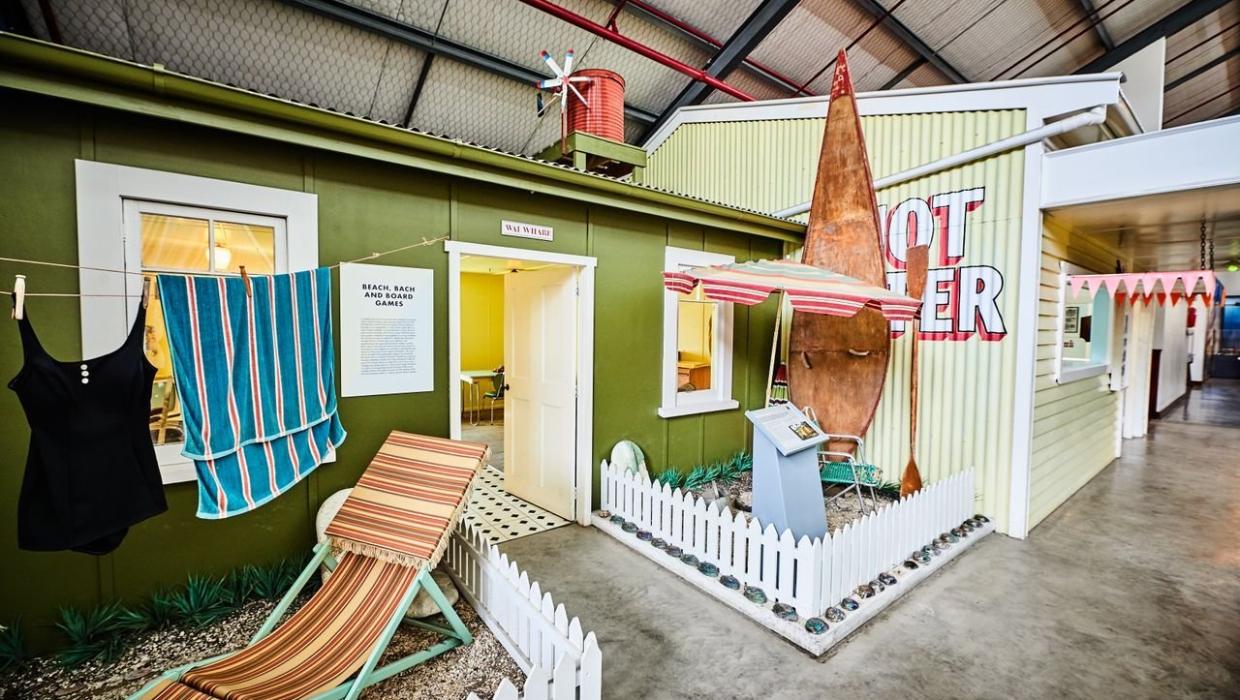
The essence of the quintessential Kiwi bach, often referred to as a “crib” in the southern regions of New Zealand, evokes a powerful sense of nostalgia for many who experienced it firsthand, particularly in the vibrant 1970s. This era was characterized by carefree summers filled with simple pleasures, a time when families created lasting memories against the backdrop of the beautiful New Zealand coastline.
Life at the Bach: A Blast from the Past
When envisioning a typical Kiwi bach, one recalls scenes of children clad in Stubbies, sporting sunburns and surfboards made from nothing more than polystyrene. Sunscreen was available but rarely used, making sunburn a common rite of passage. Mothers and aunts would often be seen wading in the waves, wearing oversized sunglasses and floral bathing caps, while the menfolk kept an eye on the children with faded kapok life jackets that seemed more decorative than functional.
Baches of that era were typically single-story structures built from fibrolite, with gardens adorned by vibrant geraniums and hydrangeas. The lawns were a patchwork of kikuyu grass and prickles, often punctuated by the presence of a rotary clothesline and a rusted metal mushroom marking the septic tank. This informal landscape became a canvas for childhood adventures, as kids played amidst the dunes and made the most of their surroundings.
As summer drew to a close, the remnants of tents and makeshift camps would leave behind brown patches of grass, indicating a season well spent. The towering Norfolk Pines, now iconic in many coastal areas, were likely planted by previous generations, standing as silent witnesses to countless family gatherings.
Inside the Bach: Comfort and Character
Inside these humble abodes, the atmosphere was cozy and inviting. Bunkrooms were often filled with beds adorned with fringed candlewick bedspreads and lovingly crocheted blankets, ready for those unexpected chilly nights. Shelves displayed art crafted from seashells and driftwood, each piece telling a story of a rainy day spent indoors.
The kitchens were stocked with utensils reminiscent of the 1940s and 1950s, featuring wooden-handled egg beaters and glass citrus squeezers, artifacts of a bygone era. Refrigerators from brands like Kelvinator and Frigidaire hummed quietly, often encased in ice by the end of summer, leaving barely enough space for essentials like peas and ice cream.
Every bach had its own personality, with battered tin teapots adorned with knitted cosies and Formica tables in vibrant shades. The air was filled with the scents of old cupboards and the unmistakable aroma of holiday meals.
Bookshelves sagged under the weight of well-loved novels, from Jilly Cooper romances to decades-old editions of Readers’ Digest. Games were played with mismatched decks of cards, and the sounds of laughter filled the air as families engaged in spirited games of swing-ball and spotlight tiggy.
As the summer holidays approach, many feel a deep nostalgia for the simplicity and charm of those days spent at the bach. The memories of unstructured play, natural sunbathing, and the camaraderie of family gatherings evoke a sense of yearning for a time when life felt a bit slower and more genuine.
In an age dominated by technology and convenience, reflecting on the classic Kiwi bach reminds us of the beauty in simplicity, the joy of togetherness, and the lasting impact of cherished traditions.









New $25 Million Funding Boosts Hospital Capacity Ahead of Winter

Discover Sleep Space’s Affordable Bach Bed Packages Today

Jury Dismissed in Sexual Assault Trial Over Misguided Questions

Wellington’s New Gallery Unveils Community-Driven Art Exhibition

All Whites Face Challenges as Injuries Strike Before World Cup

Heroic Bystander Rescues Swimmers from Dangerous Surf in Napier

Nina Oyama Returns to Crime Comedy in Deadloch Season 2

China Southern Airlines Offers Reliable Journey from Auckland to Vietnam

Nina Oyama Returns to Deadloch for Anticipated Season 2

Community Mourns Teens Lost in Mount Maunganui Landslide

Tributes Pour In for Lachlan Rofe, Reality Star, Dead at 47

Private Funeral Held for Dean Field and His Three Children

Funeral Planned for Field Siblings After Tragic House Fire

Netball New Zealand Stands Down Dame Noeline Taurua for Series

Julian Dennison Ties the Knot with Christian Baledrokadroka in New Zealand

Auckland’s Average Rent Surpasses $700 for Three-Bedroom Homes

Al Waha Motors Opens Flagship Jetour Showroom in Al Khor

New Research Reveals Simple Path to Enhanced Happiness
-
 Top Stories6 months ago
Community Mourns Teens Lost in Mount Maunganui Landslide
-
 Entertainment11 months ago
Tributes Pour In for Lachlan Rofe, Reality Star, Dead at 47
-
 World8 months ago
Private Funeral Held for Dean Field and His Three Children
-
 Top Stories8 months ago
Funeral Planned for Field Siblings After Tragic House Fire
-
 Sports11 months ago
Netball New Zealand Stands Down Dame Noeline Taurua for Series
-
 Entertainment6 months ago
Julian Dennison Ties the Knot with Christian Baledrokadroka in New Zealand
-
 Business7 months ago
Auckland’s Average Rent Surpasses $700 for Three-Bedroom Homes
-
 Health6 months ago
Al Waha Motors Opens Flagship Jetour Showroom in Al Khor
-
 Science9 months ago
New Research Reveals Simple Path to Enhanced Happiness
-

 Entertainment10 months ago
New ‘Maverick’ Chaser Joins Beat the Chasers Season Finale
-

 Lifestyle10 months ago
Maia Wilson Faces Backlash Following Taurua’s Suspension
-

 Sports9 months ago
All Blacks Star Damian McKenzie and Partner Announce Baby News