
Lifestyle
New Zealand Faces Crisis as Alzheimer’s Cases Expected to Double

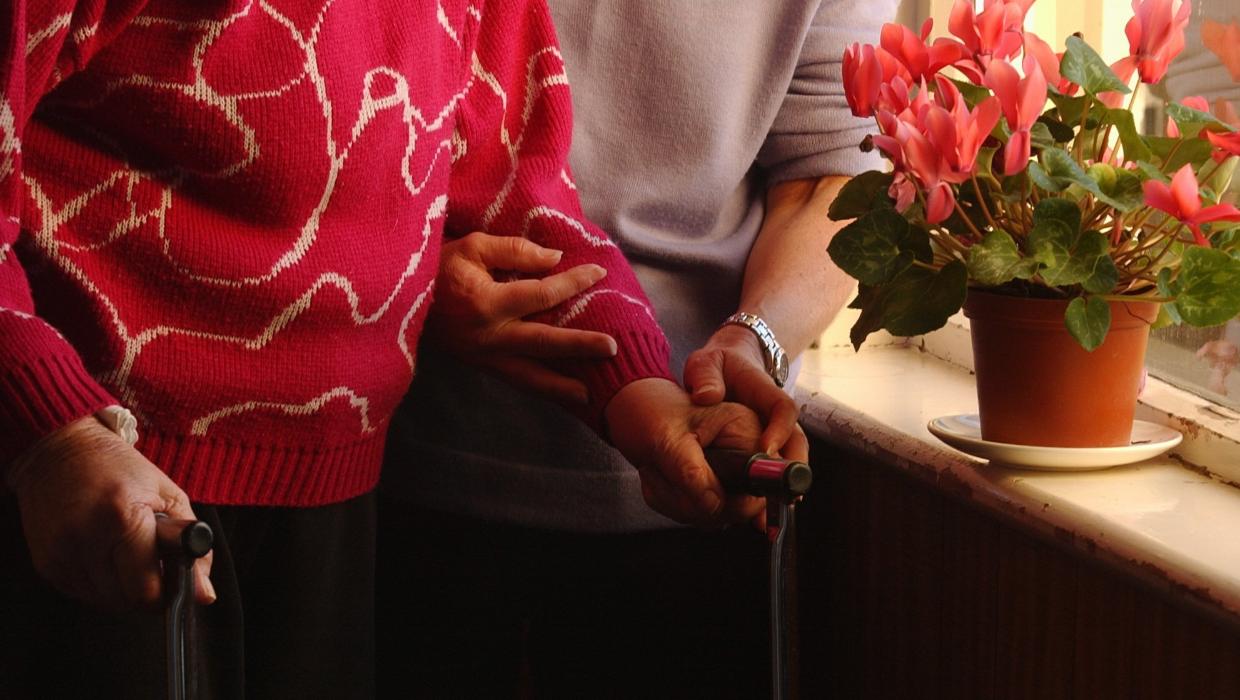
The rising number of Alzheimer’s patients in New Zealand has raised alarms about the country’s preparedness to handle the impending crisis. Recent reports indicate that the number of individuals diagnosed with Alzheimer’s is expected to double by 2030, yet community-based dementia and Alzheimer’s support organizations are struggling with significant underfunding and inadequate resources.
A report from the Ministry of Health highlights that the current funding levels for dementia care services are insufficient to meet the growing demand. With approximately 70,000 New Zealanders currently diagnosed with Alzheimer’s, experts predict this figure could soar to 140,000 within the next decade. The Health Quality & Safety Commission has also echoed these concerns, noting that the support structures in place are ill-equipped to manage the expected surge in cases.
Urgent Need for Increased Funding
Community organizations dedicated to supporting those with dementia are calling for immediate action. The Aged Care Association has pointed out that many services are operating at capacity and are unable to expand without additional financial backing. The lack of government investment has left many facilities struggling to provide adequate care and resources for patients and their families.
According to Dementia Australia, the impact of inadequate funding is multifaceted. Support organizations are not only essential for providing direct care but also play a crucial role in educating families and communities about Alzheimer’s. The absence of these resources can lead to increased isolation among patients and caregivers alike.
Local advocates are pushing for the government to prioritize dementia care in its upcoming health budget. They argue that investing in community-based services is not only a moral imperative but also a necessary step to ensure that the healthcare system can cope with the rising demand.
International Perspectives and Solutions
Looking beyond New Zealand, several countries have implemented successful strategies to address similar challenges. For instance, Canada has established comprehensive dementia care networks that focus on community support, early intervention, and caregiver resources. New Zealand could benefit from examining these models to develop its own framework.
In addition, the government could consider partnerships with private organizations to bolster funding and improve resource allocation. By tapping into the expertise of established dementia care providers, New Zealand could enhance its support systems and better prepare for the future.
As the nation braces for an increase in Alzheimer’s cases, the call for action has never been more urgent. Without significant changes in funding and resource distribution, the consequences will likely be felt by patients and families throughout the country. The time to act is now, as the future of dementia care in New Zealand hangs in the balance.










New $25 Million Funding Boosts Hospital Capacity Ahead of Winter

Discover Sleep Space’s Affordable Bach Bed Packages Today

Jury Dismissed in Sexual Assault Trial Over Misguided Questions

Wellington’s New Gallery Unveils Community-Driven Art Exhibition

All Whites Face Challenges as Injuries Strike Before World Cup

Heroic Bystander Rescues Swimmers from Dangerous Surf in Napier

Nina Oyama Returns to Crime Comedy in Deadloch Season 2

China Southern Airlines Offers Reliable Journey from Auckland to Vietnam

Nina Oyama Returns to Deadloch for Anticipated Season 2

Community Mourns Teens Lost in Mount Maunganui Landslide

Tributes Pour In for Lachlan Rofe, Reality Star, Dead at 47

Private Funeral Held for Dean Field and His Three Children

Funeral Planned for Field Siblings After Tragic House Fire

Netball New Zealand Stands Down Dame Noeline Taurua for Series

Al Waha Motors Opens Flagship Jetour Showroom in Al Khor

Julian Dennison Ties the Knot with Christian Baledrokadroka in New Zealand

Auckland’s Average Rent Surpasses $700 for Three-Bedroom Homes

New Research Reveals Simple Path to Enhanced Happiness
-
 Top Stories7 months ago
Community Mourns Teens Lost in Mount Maunganui Landslide
-
 Entertainment11 months ago
Tributes Pour In for Lachlan Rofe, Reality Star, Dead at 47
-
 World9 months ago
Private Funeral Held for Dean Field and His Three Children
-
 Top Stories9 months ago
Funeral Planned for Field Siblings After Tragic House Fire
-
 Sports11 months ago
Netball New Zealand Stands Down Dame Noeline Taurua for Series
-
 Health7 months ago
Al Waha Motors Opens Flagship Jetour Showroom in Al Khor
-
 Entertainment7 months ago
Julian Dennison Ties the Knot with Christian Baledrokadroka in New Zealand
-
 Business7 months ago
Auckland’s Average Rent Surpasses $700 for Three-Bedroom Homes
-
 Science10 months ago
New Research Reveals Simple Path to Enhanced Happiness
-

 Entertainment10 months ago
New ‘Maverick’ Chaser Joins Beat the Chasers Season Finale
-

 Lifestyle11 months ago
Maia Wilson Faces Backlash Following Taurua’s Suspension
-

 Sports10 months ago
All Blacks Star Damian McKenzie and Partner Announce Baby News