
Lifestyle
Nostalgia for the Kiwi Bach: A Look Back at Coastal Life

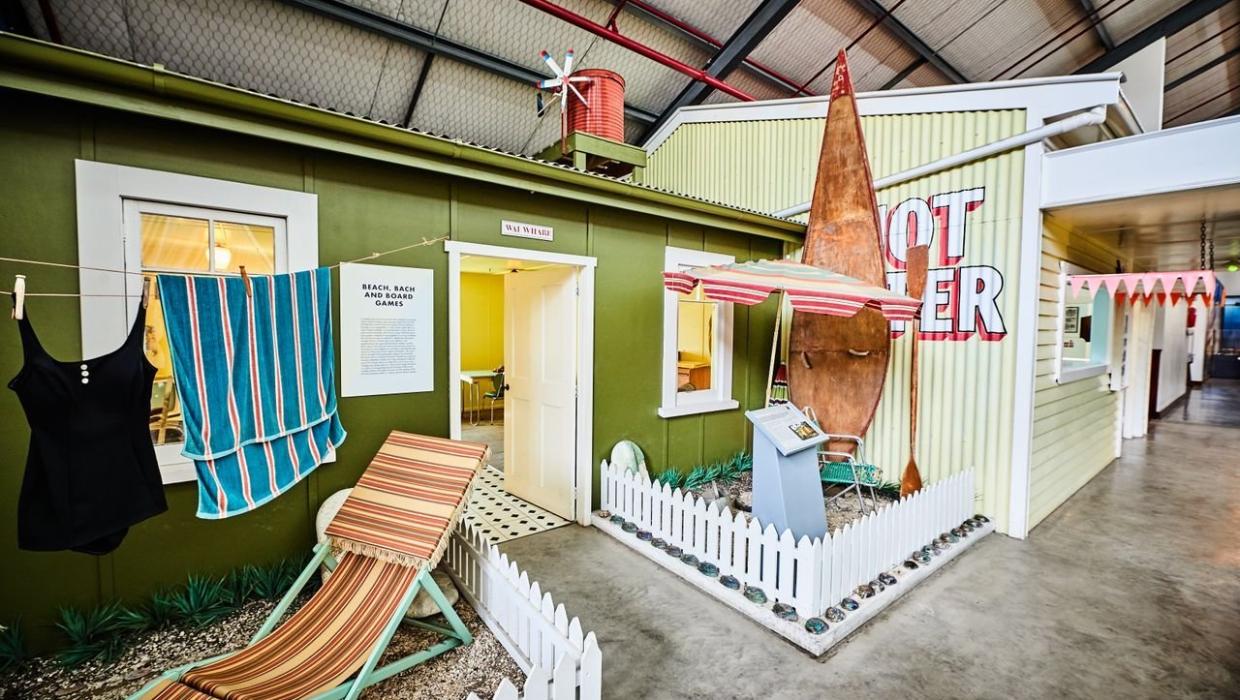
The Kiwi bach, often referred to as a “crib” in the southern regions, evokes a profound sense of nostalgia for many who experienced its charm during the 1970s. This era is remembered for its unique blend of simplicity and natural beauty, where families gathered in humble beach houses that served as a backdrop for countless summer memories.
Recollections of a Bygone Era
For many New Zealanders, the quintessential bach represented an escape from daily life. Young boys proudly wore Stubbies, while mothers and aunts basked in the waves, their oversized sunglasses reflecting the sun. The surfboards of that time were often just chunks of polystyrene, notorious for causing rashes on the inside of arms—an all-too-common issue before the advent of rash shirts. Sunscreen existed but was seldom used, leading to sunburn becoming almost a rite of passage for children.
The sight of women in bathing caps adorned with rubber flowers bobbing in the water is a vivid memory for many. In those days, life jackets were often a faded orange, and concerns about safety were secondary to the joy of being present at the beach. The baches themselves were typically single-storey structures made from fibrolite, surrounded by vibrant gardens that flourished when the soil allowed. Geraniums, hydrangeas, and agapanthus bloomed alongside the dunes, which sprouted ice plant and bunny grass, creating an idyllic coastal landscape.
Life Inside the Bach
Inside these baches, the atmosphere was warm and inviting. Bunkrooms featured beds adorned with fringed candlewick bedspreads, while lovingly crocheted blankets were always at the ready for those unexpected chilly nights. Artistic creations made from shells and driftwood added a personal touch, showcasing the creativity of rainy days spent indoors.
The kitchens were often stocked with vintage utensils, relics from the 1940s and 1950s, including wooden-handled rotary egg beaters and glass citrus squeezers. Refrigerators, remnants of post-war prosperity, hummed softly in the background, their handles branded with names like Kelvinator and Frigidaire. These appliances were well-known for their quirks, such as the tiny freezers that often became solid blocks of frost by summer’s end.
A typical bach kitchen boasted a battered tin teapot, complete with a knitted cosy, and a Formica table that added a splash of colour with its flecks of red or turquoise. The floors were often adorned with rag rugs, and the washhouse, if present, contained twin concrete tubs perfect for rinsing off sandy children after a day at the beach.
Bookshelves sagged under the weight of well-loved novels, with Jilly Cooper romances nestled next to stacks of Readers’ Digest magazines. The culinary items reflected a bygone era, with pots and pans that bore the marks of many summers spent cooking family meals.
As the summer approached, there was a palpable sense of longing for those carefree days. The memories of swimming, playing games like spotlight tiggy in the dunes, and the joyous sounds of laughter filled the air. The phrase “Go home stay home” echoed through the minds of children, a reminder of the end of summer fun.
The Kiwi bach represents more than just a holiday home; it symbolizes a way of life that embraced simplicity and connection with nature. As technology advances and lifestyles change, the nostalgia for these coastal retreats continues to resonate, reminding many of a time when life moved at a slower pace, and every moment was cherished.









New $25 Million Funding Boosts Hospital Capacity Ahead of Winter

Discover Sleep Space’s Affordable Bach Bed Packages Today

Jury Dismissed in Sexual Assault Trial Over Misguided Questions

Wellington’s New Gallery Unveils Community-Driven Art Exhibition

All Whites Face Challenges as Injuries Strike Before World Cup

Heroic Bystander Rescues Swimmers from Dangerous Surf in Napier

Nina Oyama Returns to Crime Comedy in Deadloch Season 2

China Southern Airlines Offers Reliable Journey from Auckland to Vietnam

Nina Oyama Returns to Deadloch for Anticipated Season 2

Community Mourns Teens Lost in Mount Maunganui Landslide

Tributes Pour In for Lachlan Rofe, Reality Star, Dead at 47

Private Funeral Held for Dean Field and His Three Children

Funeral Planned for Field Siblings After Tragic House Fire

Netball New Zealand Stands Down Dame Noeline Taurua for Series

Julian Dennison Ties the Knot with Christian Baledrokadroka in New Zealand

Auckland’s Average Rent Surpasses $700 for Three-Bedroom Homes

Al Waha Motors Opens Flagship Jetour Showroom in Al Khor

New Research Reveals Simple Path to Enhanced Happiness
-
 Top Stories6 months ago
Community Mourns Teens Lost in Mount Maunganui Landslide
-
 Entertainment11 months ago
Tributes Pour In for Lachlan Rofe, Reality Star, Dead at 47
-
 World8 months ago
Private Funeral Held for Dean Field and His Three Children
-
 Top Stories8 months ago
Funeral Planned for Field Siblings After Tragic House Fire
-
 Sports11 months ago
Netball New Zealand Stands Down Dame Noeline Taurua for Series
-
 Entertainment6 months ago
Julian Dennison Ties the Knot with Christian Baledrokadroka in New Zealand
-
 Business7 months ago
Auckland’s Average Rent Surpasses $700 for Three-Bedroom Homes
-
 Health6 months ago
Al Waha Motors Opens Flagship Jetour Showroom in Al Khor
-
 Science9 months ago
New Research Reveals Simple Path to Enhanced Happiness
-

 Entertainment10 months ago
New ‘Maverick’ Chaser Joins Beat the Chasers Season Finale
-

 Lifestyle10 months ago
Maia Wilson Faces Backlash Following Taurua’s Suspension
-

 Sports9 months ago
All Blacks Star Damian McKenzie and Partner Announce Baby News