
Politics
Coalition Fractures as Peters Opposes India Trade Agreement

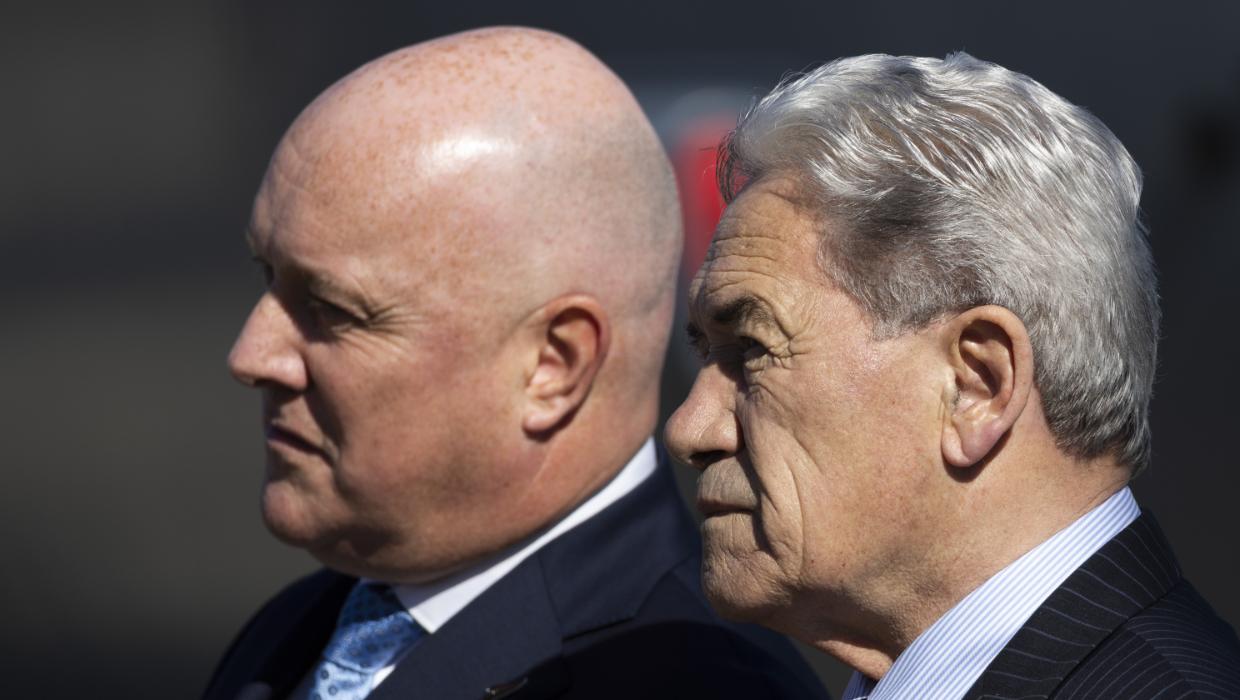
The coalition government in New Zealand faces a significant challenge as Deputy Prime Minister Winston Peters publicly announced that his party, New Zealand First, will vote against the proposed free trade agreement with India. Peters criticized the deal as “low quality” and “rushed,” raising concerns about its implications for New Zealand’s economic future.
Government Response and Political Implications
The announcement comes amid ongoing negotiations aimed at strengthening trade ties between New Zealand and India. Prime Minister Chris Luxon of the National Party has defended the agreement, stating that it will enhance New Zealand’s export opportunities. He emphasized the importance of maintaining strong international relationships, particularly with a rapidly growing economy like India.
Peters’ dissent highlights a growing rift within the coalition government. His party’s decision to oppose the deal could jeopardize the National Party’s plans to secure a majority in parliament. This clash underscores the complexities of coalition politics, where differing priorities can lead to significant tensions among partners.
According to economic analysts, the proposed trade deal aims to reduce tariffs and improve market access for New Zealand goods in India, which is projected to be a key trading partner in the coming years. However, Peters argues that the agreement does not adequately protect local industries and may result in adverse economic consequences.
Public Reaction and Future Prospects
The public response to Peters’ announcement has been mixed. Supporters of New Zealand First praise his commitment to safeguarding local industries, while critics accuse him of undermining vital economic opportunities. As the debate unfolds, many New Zealanders are closely watching how this political clash will affect the country’s trade strategy.
With the vote scheduled for later this month, the coalition government must navigate these internal divisions carefully. If the trade deal fails to pass, it could signal a broader instability within the coalition, prompting potential reassessments of policy direction and partnership dynamics.
In the coming weeks, both Peters and Luxon will likely engage in further discussions aimed at addressing the concerns raised regarding the trade agreement. The outcome of this clash may set the tone for future coalition negotiations and influence New Zealand’s approach to international trade.










New $25 Million Funding Boosts Hospital Capacity Ahead of Winter

Discover Sleep Space’s Affordable Bach Bed Packages Today

Jury Dismissed in Sexual Assault Trial Over Misguided Questions

Wellington’s New Gallery Unveils Community-Driven Art Exhibition

All Whites Face Challenges as Injuries Strike Before World Cup

Heroic Bystander Rescues Swimmers from Dangerous Surf in Napier

Nina Oyama Returns to Crime Comedy in Deadloch Season 2

China Southern Airlines Offers Reliable Journey from Auckland to Vietnam

Nina Oyama Returns to Deadloch for Anticipated Season 2

Community Mourns Teens Lost in Mount Maunganui Landslide

Tributes Pour In for Lachlan Rofe, Reality Star, Dead at 47

Private Funeral Held for Dean Field and His Three Children

Funeral Planned for Field Siblings After Tragic House Fire

Netball New Zealand Stands Down Dame Noeline Taurua for Series

Al Waha Motors Opens Flagship Jetour Showroom in Al Khor

Julian Dennison Ties the Knot with Christian Baledrokadroka in New Zealand

Auckland’s Average Rent Surpasses $700 for Three-Bedroom Homes

New Research Reveals Simple Path to Enhanced Happiness
-
 Top Stories7 months ago
Community Mourns Teens Lost in Mount Maunganui Landslide
-
 Entertainment11 months ago
Tributes Pour In for Lachlan Rofe, Reality Star, Dead at 47
-
 World9 months ago
Private Funeral Held for Dean Field and His Three Children
-
 Top Stories9 months ago
Funeral Planned for Field Siblings After Tragic House Fire
-
 Sports11 months ago
Netball New Zealand Stands Down Dame Noeline Taurua for Series
-
 Health7 months ago
Al Waha Motors Opens Flagship Jetour Showroom in Al Khor
-
 Entertainment7 months ago
Julian Dennison Ties the Knot with Christian Baledrokadroka in New Zealand
-
 Business7 months ago
Auckland’s Average Rent Surpasses $700 for Three-Bedroom Homes
-
 Science10 months ago
New Research Reveals Simple Path to Enhanced Happiness
-

 Entertainment10 months ago
New ‘Maverick’ Chaser Joins Beat the Chasers Season Finale
-

 Lifestyle11 months ago
Maia Wilson Faces Backlash Following Taurua’s Suspension
-

 Sports10 months ago
All Blacks Star Damian McKenzie and Partner Announce Baby News