
Politics
Democracy Faces Challenges as Faith in System Declines

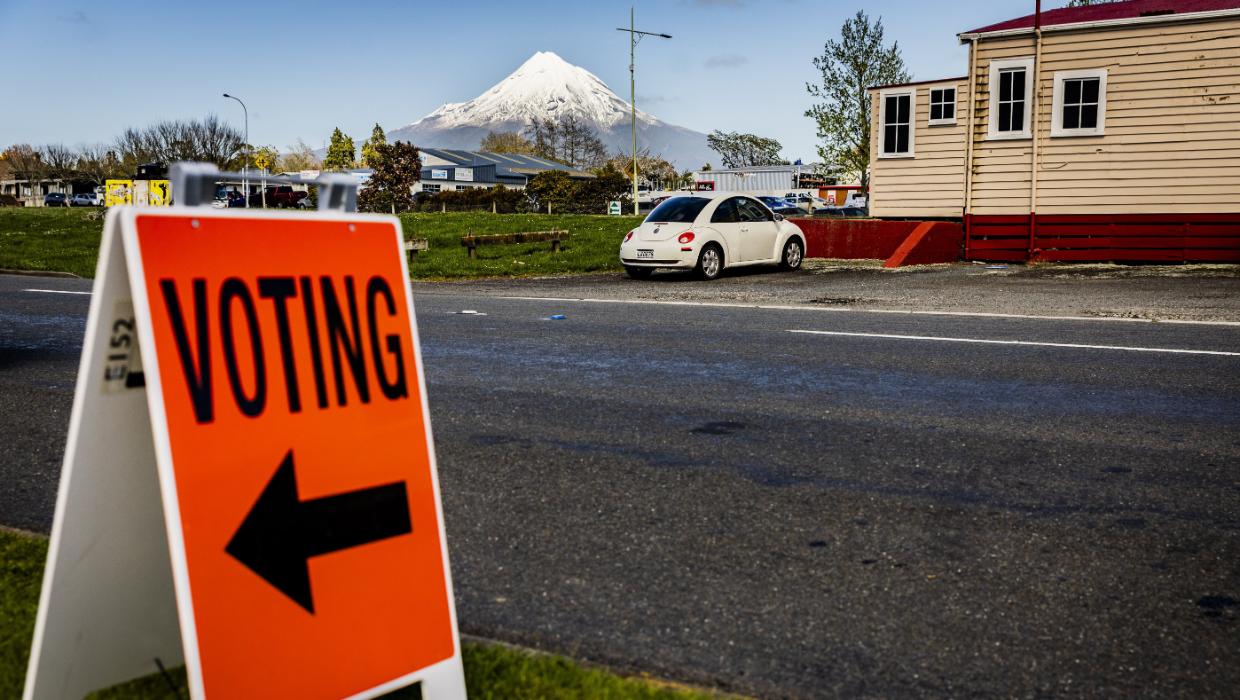
The recent decline in public confidence in democratic systems has raised alarm among political analysts and citizens alike. An Ipsos poll reveals that nearly half of Western voters believe democracy is failing, prompting discussions around the inherent vulnerabilities of political systems. The reflections of historian Edward Gibbon in his seminal work, *The Decline and Fall of the Roman Empire*, provide a historical lens through which to examine these contemporary issues.
Gibbon’s scathing commentary on democracy highlights the inherent risks associated with placing sovereignty in the hands of the “unwieldy multitude.” He posits that power is often “first abused and then lost.” This perspective challenges the modern assumption that democracy, as we know it, is a permanent fixture in governance. Despite the general disdain for such elitist views today, Gibbon’s insights provoke critical questions about the longevity of democratic ideals.
Many modern observers are aware of the various factors contributing to the current crisis in democratic governance, including distrust of elites, wealth inequality, and political polarization. Yet, a less palatable notion persists: all political systems, including democracy, are susceptible to decay. In a world where the stability of democratic institutions appears increasingly fragile, one must ask, why should democracy be any different?
Reflecting on the past, the monarchies that once dominated Europe were often viewed through a lens of divine right and eternal social hierarchy. This belief, however, crumbled following transformative events such as the French Revolution. Today, the notion that democratic governance is the culmination of centuries of political evolution is widespread but potentially misleading. The history of modern democracy is relatively brief; for instance, Louis XVI was executed after nearly 900 years of French kingship, while universal suffrage in many countries, including the United States, is a recent development.
The Voting Rights Act of 1965 in the U.S. marked a significant step toward true democracy, removing barriers for African American voters. Similarly, in Switzerland, women gained the right to vote just over 50 years ago. These milestones serve as reminders that democratic systems are products of historical circumstance, not guaranteed outcomes.
Democracy has flourished in an era marked by economic growth and rising literacy rates. The Industrial Revolution catalyzed two centuries of unprecedented prosperity, enabling electorates to make informed decisions. However, the rise of digital technology and social media raises questions about the quality of democratic decision-making. As voters become increasingly screen-addicted, the disconnect from reality may hinder rational decision-making and erode faith in the political system.
The consequences of stagnant economic growth may also pose significant challenges to democracy. Promises of a better future become harder to uphold, leading to disillusionment among voters. The cycle of political decay can often be traced back to systemic issues inherent in governance. For instance, the Republic of Venice, once a beacon of prosperity, experienced decline due to the oligarchic rule of wealthy families, which limited political and economic opportunities for the broader population.
Democracy is not immune to the pitfalls of governance. The right to criticize power, which is foundational to democratic societies, can devolve into cynicism and public disdain for leaders. This erosion of trust may discourage capable individuals from pursuing political office. Furthermore, the tendency for electorates to favor immediate financial benefits over long-term sustainability can create perilous levels of debt, undermining future generations.
The “tyranny of the majority” is often cited as democracy’s most notable flaw. When one demographic group, such as older voters, monopolizes electoral power, it can allocate privileges that marginalize other groups, further entrenching inequality. The younger generation, facing challenges such as unaffordable housing, may become increasingly skeptical of the democratic process, questioning its legitimacy and effectiveness.
While these observations may seem pessimistic, they do not signal an inevitable decline. History teaches that nothing is predetermined. A deeper appreciation for the fragility of democratic systems can inspire a renewed commitment to preserving them. Recognizing that democracy has not always appeared obvious or inevitable can encourage vigilance and adaptability in the face of changing circumstances.
In conclusion, as the world navigates the complexities of the 21st century, it is crucial to remember that democracy, much like any other form of governance, requires constant nurturing and engagement. The lessons of history remind us not to take democratic principles for granted, as their survival depends on active participation and the willingness to confront the challenges that lie ahead.













New $25 Million Funding Boosts Hospital Capacity Ahead of Winter

Discover Sleep Space’s Affordable Bach Bed Packages Today

Jury Dismissed in Sexual Assault Trial Over Misguided Questions

Wellington’s New Gallery Unveils Community-Driven Art Exhibition

All Whites Face Challenges as Injuries Strike Before World Cup

Heroic Bystander Rescues Swimmers from Dangerous Surf in Napier

Nina Oyama Returns to Crime Comedy in Deadloch Season 2

China Southern Airlines Offers Reliable Journey from Auckland to Vietnam

Nina Oyama Returns to Deadloch for Anticipated Season 2

Community Mourns Teens Lost in Mount Maunganui Landslide

Tributes Pour In for Lachlan Rofe, Reality Star, Dead at 47

Private Funeral Held for Dean Field and His Three Children

Funeral Planned for Field Siblings After Tragic House Fire

Netball New Zealand Stands Down Dame Noeline Taurua for Series

Al Waha Motors Opens Flagship Jetour Showroom in Al Khor

Julian Dennison Ties the Knot with Christian Baledrokadroka in New Zealand

Auckland’s Average Rent Surpasses $700 for Three-Bedroom Homes

New Research Reveals Simple Path to Enhanced Happiness
-
 Top Stories7 months ago
Community Mourns Teens Lost in Mount Maunganui Landslide
-
 Entertainment11 months ago
Tributes Pour In for Lachlan Rofe, Reality Star, Dead at 47
-
 World9 months ago
Private Funeral Held for Dean Field and His Three Children
-
 Top Stories9 months ago
Funeral Planned for Field Siblings After Tragic House Fire
-
 Sports11 months ago
Netball New Zealand Stands Down Dame Noeline Taurua for Series
-
 Health7 months ago
Al Waha Motors Opens Flagship Jetour Showroom in Al Khor
-
 Entertainment7 months ago
Julian Dennison Ties the Knot with Christian Baledrokadroka in New Zealand
-
 Business7 months ago
Auckland’s Average Rent Surpasses $700 for Three-Bedroom Homes
-
 Science10 months ago
New Research Reveals Simple Path to Enhanced Happiness
-

 Entertainment10 months ago
New ‘Maverick’ Chaser Joins Beat the Chasers Season Finale
-

 Lifestyle10 months ago
Maia Wilson Faces Backlash Following Taurua’s Suspension
-

 Sports10 months ago
All Blacks Star Damian McKenzie and Partner Announce Baby News