
Politics
Hundreds of Disabled Teens Face Jobseeker Benefit Cuts

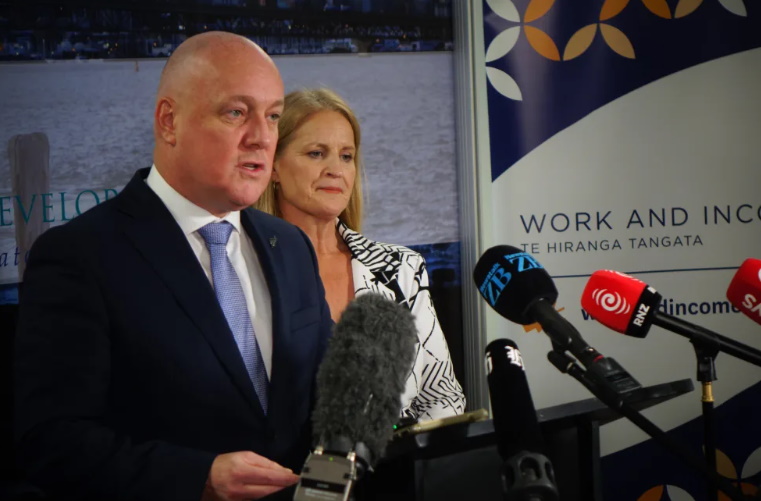
In a significant policy shift, the government plans to terminate Jobseeker benefits for many 18- and 19-year-olds with health conditions or disabilities. Official data indicates that around 4,300 young individuals could lose their support as the government adjusts its welfare program, citing the need to encourage employment.
The new rules will specifically affect those whose parents earn more than $65,000 annually, leaving many vulnerable teenagers without financial assistance. A spokesperson from the Ministry of Social Development revealed that as of the end of June 2025, there were 2,685 beneficiaries aged 18 and 19 receiving the Jobseeker Support Health Condition Disability benefit. The exact number of those whose parents earn less than the threshold remains unclear.
During a parliamentary session on Wednesday, Green Party co-leader Chloë Swarbrick questioned Prime Minister Christopher Luxon about the implications of the cuts, particularly for those “who may be disabled, sick or experiencing severe mental ill health.” Luxon responded by stating that eligibility for Jobseeker benefits implies an individual’s capability to work, prompting Swarbrick to express her frustration, stating, “You don’t understand the question.”
The Prime Minister further defended the government’s actions, asserting that the administration is “unapologetically” promoting pathways for young people into work, training, or education. In a similar vein, Social Development Minister Louise Upston supported the policy’s inclusion of those with health issues, asserting they are impacted by “temporary conditions.” Upston expressed confidence that these individuals would be able to transition into employment or education within a two-year timeframe.
While Upston emphasized the expectation for parental support, she acknowledged that those with permanent disabilities should apply for the Supported Living Payment instead. She expressed surprise at the notion that parents would not support their children, regardless of health status.
In contrast, Ricardo Menendez March, the Green Party’s spokesperson for social development, criticized the government for its approach, arguing that the changes disproportionately affect young people, particularly those facing health challenges. He suggested that the government’s focus on cutting income support fails to address the underlying issue of job availability.
The debate surrounding these welfare changes highlights a growing concern about the impact on vulnerable youth and the government’s responsibility to provide adequate support during challenging circumstances. As the policy unfolds, the implications for affected teens and their families will become increasingly apparent.












New $25 Million Funding Boosts Hospital Capacity Ahead of Winter

Discover Sleep Space’s Affordable Bach Bed Packages Today

Jury Dismissed in Sexual Assault Trial Over Misguided Questions

Wellington’s New Gallery Unveils Community-Driven Art Exhibition

All Whites Face Challenges as Injuries Strike Before World Cup

Heroic Bystander Rescues Swimmers from Dangerous Surf in Napier

Nina Oyama Returns to Crime Comedy in Deadloch Season 2

China Southern Airlines Offers Reliable Journey from Auckland to Vietnam

Nina Oyama Returns to Deadloch for Anticipated Season 2

Community Mourns Teens Lost in Mount Maunganui Landslide

Tributes Pour In for Lachlan Rofe, Reality Star, Dead at 47

Private Funeral Held for Dean Field and His Three Children

Funeral Planned for Field Siblings After Tragic House Fire

Netball New Zealand Stands Down Dame Noeline Taurua for Series

Al Waha Motors Opens Flagship Jetour Showroom in Al Khor

Julian Dennison Ties the Knot with Christian Baledrokadroka in New Zealand

Auckland’s Average Rent Surpasses $700 for Three-Bedroom Homes

New Research Reveals Simple Path to Enhanced Happiness
-
 Top Stories7 months ago
Community Mourns Teens Lost in Mount Maunganui Landslide
-
 Entertainment11 months ago
Tributes Pour In for Lachlan Rofe, Reality Star, Dead at 47
-
 World9 months ago
Private Funeral Held for Dean Field and His Three Children
-
 Top Stories9 months ago
Funeral Planned for Field Siblings After Tragic House Fire
-
 Sports11 months ago
Netball New Zealand Stands Down Dame Noeline Taurua for Series
-
 Health7 months ago
Al Waha Motors Opens Flagship Jetour Showroom in Al Khor
-
 Entertainment7 months ago
Julian Dennison Ties the Knot with Christian Baledrokadroka in New Zealand
-
 Business7 months ago
Auckland’s Average Rent Surpasses $700 for Three-Bedroom Homes
-
 Science10 months ago
New Research Reveals Simple Path to Enhanced Happiness
-

 Entertainment10 months ago
New ‘Maverick’ Chaser Joins Beat the Chasers Season Finale
-

 Lifestyle11 months ago
Maia Wilson Faces Backlash Following Taurua’s Suspension
-

 Sports10 months ago
All Blacks Star Damian McKenzie and Partner Announce Baby News