
Politics
Japan’s Sumo Ring Excludes Women, Sparking Gender Equality Debate

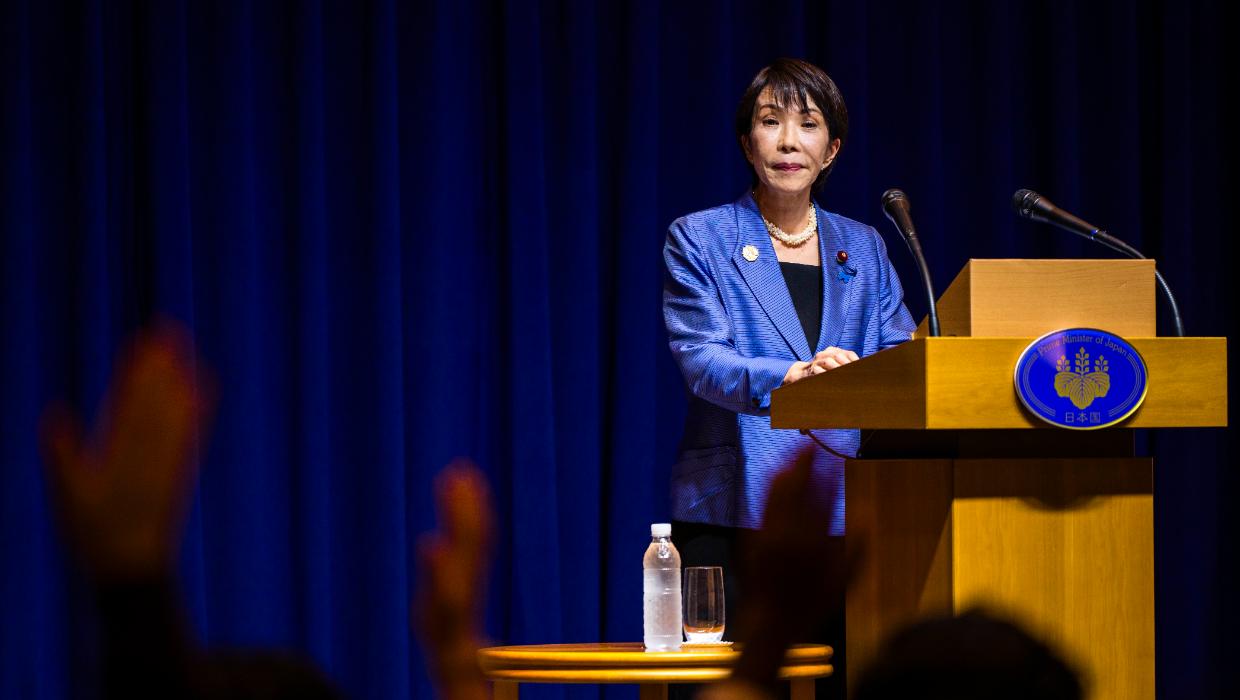
The exclusion of women from Japan’s sacred sumo ring has ignited a significant debate over gender equality in the country. Even with Prime Minister Fumio Kishida advocating for gender equality, the traditional prohibition remains firmly in place. Critics argue that this long-standing practice reflects outdated gender discrimination.
The sumo ring, known as the dohyo, is revered in Japanese culture and is considered a sacred space. Women are prohibited from entering this area, a restriction that has faced increasing scrutiny. Activists and supporters of gender equality are calling for a reevaluation of these traditions, emphasizing the need for inclusivity in modern society.
In March 2024, Prime Minister Kishida visited a sumo tournament in Tokyo, where he expressed his desire to promote gender equality across various sectors in Japan. Despite his efforts, the Sumo Association has maintained its stance on the exclusion of women from the dohyo, citing cultural and religious beliefs as the foundation for this practice.
Critics highlight that, while Japan has made strides in some areas of gender equality, the sumo ring’s policies starkly contrast with the government’s broader objectives. The Gender Equality Bureau has been vocal about the need to challenge such prohibitions, arguing that they hinder progress in achieving gender parity.
Supporters of change argue that allowing women to participate in sumo would not only reflect a more inclusive society but also attract a wider audience to the sport. The conversation surrounding this issue has broadened, with many advocating for a reevaluation of cultural practices that are seen as discriminatory.
The debate continues to unfold, as various stakeholders weigh in on the implications of maintaining such a tradition in contemporary Japan. While the Sumo Association stands firm in its beliefs, the push for change remains strong, highlighting a society grappling with its identity in the face of modernization.
As Japan navigates this complex issue, the international community watches closely. The outcome may have lasting implications not only for sumo but also for broader discussions around gender roles and equality in the nation. The tension between preserving tradition and embracing inclusivity will undoubtedly shape the future of Japan’s cultural landscape.













New $25 Million Funding Boosts Hospital Capacity Ahead of Winter

Discover Sleep Space’s Affordable Bach Bed Packages Today

Jury Dismissed in Sexual Assault Trial Over Misguided Questions

Wellington’s New Gallery Unveils Community-Driven Art Exhibition

All Whites Face Challenges as Injuries Strike Before World Cup

Heroic Bystander Rescues Swimmers from Dangerous Surf in Napier

Nina Oyama Returns to Crime Comedy in Deadloch Season 2

China Southern Airlines Offers Reliable Journey from Auckland to Vietnam

Nina Oyama Returns to Deadloch for Anticipated Season 2

Community Mourns Teens Lost in Mount Maunganui Landslide

Tributes Pour In for Lachlan Rofe, Reality Star, Dead at 47

Private Funeral Held for Dean Field and His Three Children

Funeral Planned for Field Siblings After Tragic House Fire

Netball New Zealand Stands Down Dame Noeline Taurua for Series

Julian Dennison Ties the Knot with Christian Baledrokadroka in New Zealand

New Research Reveals Simple Path to Enhanced Happiness

New ‘Maverick’ Chaser Joins Beat the Chasers Season Finale

Maia Wilson Faces Backlash Following Taurua’s Suspension
-
 Top Stories5 months ago
Community Mourns Teens Lost in Mount Maunganui Landslide
-
 Entertainment10 months ago
Tributes Pour In for Lachlan Rofe, Reality Star, Dead at 47
-
 World7 months ago
Private Funeral Held for Dean Field and His Three Children
-
 Top Stories7 months ago
Funeral Planned for Field Siblings After Tragic House Fire
-
 Sports10 months ago
Netball New Zealand Stands Down Dame Noeline Taurua for Series
-
 Entertainment5 months ago
Julian Dennison Ties the Knot with Christian Baledrokadroka in New Zealand
-
 Science8 months ago
New Research Reveals Simple Path to Enhanced Happiness
-
 Entertainment9 months ago
New ‘Maverick’ Chaser Joins Beat the Chasers Season Finale
-
 Lifestyle9 months ago
Maia Wilson Faces Backlash Following Taurua’s Suspension
-

 Sports8 months ago
All Blacks Star Damian McKenzie and Partner Announce Baby News
-

 Sports10 months ago
Silver Ferns Legend Laura Langman Criticizes Team’s Attitude
-

 Sports8 months ago
Eli Katoa Rushed to Hospital After Sideline Incident During Match