
Politics
National and Labour MPs Unite to Accelerate Modern Slavery Legislation

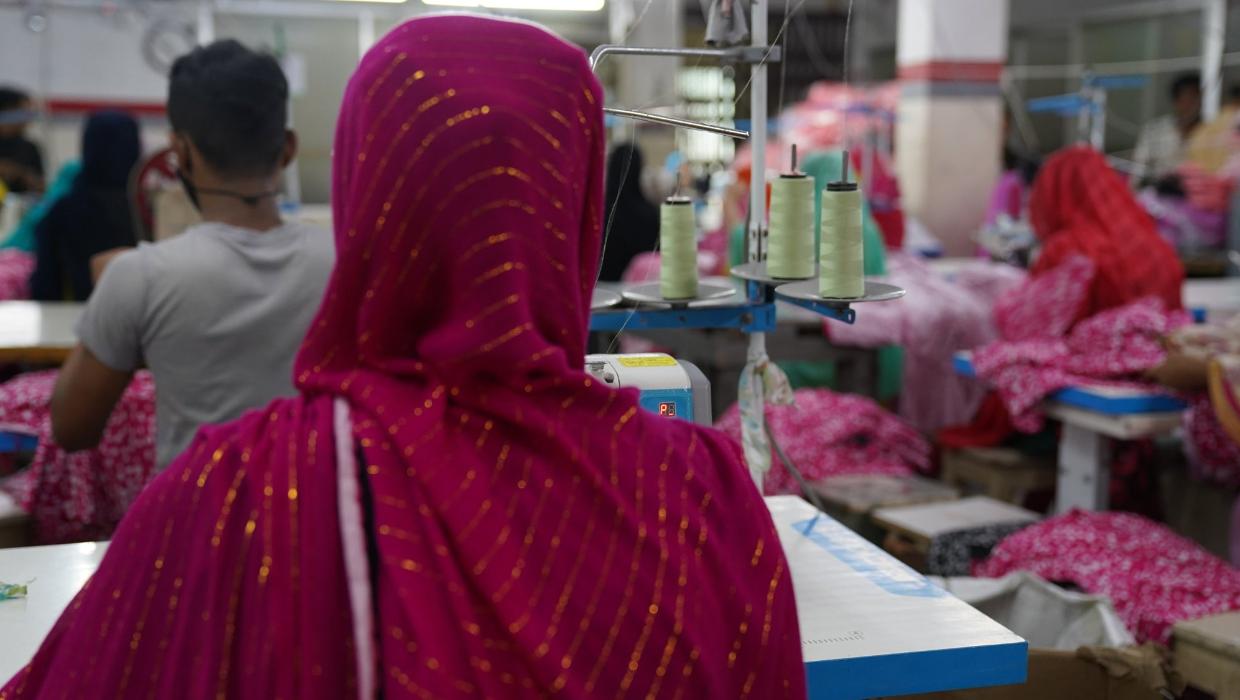
Two Members of Parliament (MPs) from opposing parties in New Zealand are collaborating to expedite legislation aimed at combating modern slavery. The initiative involves the National Party and the Labour Party, who have recognized the urgency of addressing this pressing issue through a more efficient lawmaking process.
The two MPs, Louise Upston from the National Party and Jan Logie from the Labour Party, are spearheading efforts to fast-track new laws that will enhance the protection of vulnerable individuals from exploitation. This bipartisan approach highlights a shared commitment to tackling human trafficking and modern slavery, which have become significant concerns in New Zealand and globally.
Legislative Action and Goals
The proposed legislation aims to strengthen existing frameworks and introduce new measures that will make it easier for authorities to identify and combat instances of modern slavery. According to the MPs, the initiative seeks to provide law enforcement with better tools and resources to address these crimes effectively. The urgency of the situation is underscored by recent statistics that indicate an increase in reported cases of exploitation.
Both Upston and Logie emphasize the importance of cooperation in this endeavor. “By working together, we can ensure that the voices of those affected by modern slavery are heard and that effective measures are put in place,” Logie stated. This unified stance from both parties represents a significant step forward in addressing an issue that affects countless individuals.
Broader Implications for Society
The collaboration between the National and Labour parties reflects a growing awareness of the need for comprehensive strategies to combat modern slavery. Experts argue that legislative reforms are essential not only for protecting vulnerable populations but also for fostering a safer society overall.
Organizations such as the United Nations have long advocated for stronger legal frameworks to combat human trafficking, which often intersects with issues of poverty and inequality. The proposed changes in New Zealand are expected to align with international standards, reinforcing the country’s commitment to global human rights initiatives.
As the MPs push forward, the legislative process will involve consultations with various stakeholders, including non-governmental organizations, law enforcement agencies, and community groups. Engaging these entities will ensure that the perspectives of those directly impacted by modern slavery are considered in the formation of new laws.
In conclusion, the collaboration between the National and Labour parties to expedite legislation on modern slavery marks a pivotal moment in New Zealand’s approach to human rights. By prioritizing this issue, the MPs aim to create a legislative environment that not only addresses current challenges but also sets a precedent for future cooperation across party lines in the fight against exploitation and trafficking.










New $25 Million Funding Boosts Hospital Capacity Ahead of Winter

Discover Sleep Space’s Affordable Bach Bed Packages Today

Jury Dismissed in Sexual Assault Trial Over Misguided Questions

Wellington’s New Gallery Unveils Community-Driven Art Exhibition

All Whites Face Challenges as Injuries Strike Before World Cup

Heroic Bystander Rescues Swimmers from Dangerous Surf in Napier

Nina Oyama Returns to Crime Comedy in Deadloch Season 2

China Southern Airlines Offers Reliable Journey from Auckland to Vietnam

Nina Oyama Returns to Deadloch for Anticipated Season 2

Community Mourns Teens Lost in Mount Maunganui Landslide

Tributes Pour In for Lachlan Rofe, Reality Star, Dead at 47

Private Funeral Held for Dean Field and His Three Children

Funeral Planned for Field Siblings After Tragic House Fire

Netball New Zealand Stands Down Dame Noeline Taurua for Series

Julian Dennison Ties the Knot with Christian Baledrokadroka in New Zealand

Al Waha Motors Opens Flagship Jetour Showroom in Al Khor

Auckland’s Average Rent Surpasses $700 for Three-Bedroom Homes

New Research Reveals Simple Path to Enhanced Happiness
-
 Top Stories6 months ago
Community Mourns Teens Lost in Mount Maunganui Landslide
-
 Entertainment11 months ago
Tributes Pour In for Lachlan Rofe, Reality Star, Dead at 47
-
 World8 months ago
Private Funeral Held for Dean Field and His Three Children
-
 Top Stories8 months ago
Funeral Planned for Field Siblings After Tragic House Fire
-
 Sports11 months ago
Netball New Zealand Stands Down Dame Noeline Taurua for Series
-
 Entertainment6 months ago
Julian Dennison Ties the Knot with Christian Baledrokadroka in New Zealand
-
 Health6 months ago
Al Waha Motors Opens Flagship Jetour Showroom in Al Khor
-
 Business7 months ago
Auckland’s Average Rent Surpasses $700 for Three-Bedroom Homes
-
 Science9 months ago
New Research Reveals Simple Path to Enhanced Happiness
-

 Entertainment10 months ago
New ‘Maverick’ Chaser Joins Beat the Chasers Season Finale
-

 Lifestyle10 months ago
Maia Wilson Faces Backlash Following Taurua’s Suspension
-

 Sports9 months ago
All Blacks Star Damian McKenzie and Partner Announce Baby News